


Estimating population size using quadrats: practical
I can use quadrats to estimate the population size of a species.


- Year 10
- Edexcel
Estimating population size using quadrats: practical
I can use quadrats to estimate the population size of a species.
Lesson details
Key learning points
- Quadrats can be used to sample an area to estimate population size (abundance).
- Quadrats are used to sample plants and small, slow-moving animals.
- Quadrats can be placed at random to help avoid bias.
- Using quadrats to estimate population size (species abundance) in an area.
- Using quadrats to investigate the population size of a plant species using random sampling.
Keywords
Population - A population is a group of organisms of the same species living in the same place.
Sampling - Sampling is a method of surveying plants and/or animals to provide information about the populations of organisms.
Quadrat - A quadrat is a square frame used to sample populations of plants or slow-moving animals.
Abundance - Abundance is the number of organisms of a species found within a habitat.
Common misconception
Quadrats can be used to give an accurate picture of a habitat or ecosystem.
Sampling using a quadrat provides only a snapshot of a specific area at a specific time. To give a more accurate understanding, quadrat samples should be taken over a long period to provide a fuller picture of a habitat or ecosystem.


Equipment
quadrat, two 20 m tape measures, clipboard, pencils, and a bag of numbers for random coordinate generation

Content guidance
- Risk assessment required - equipment

Supervision
Adult supervision required

Licence
Lesson video
Loading...
Prior knowledge starter quiz
6 Questions
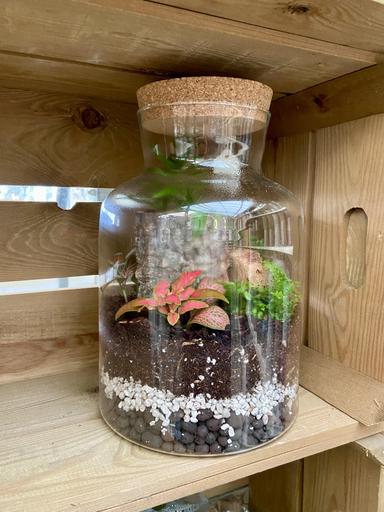
Q1.True or false? A bottle garden is an example of an ecosystem.

Q2.What is this piece of equipment called?

Q3.Which of the following populations of organisms might you use a quadrat to sample?
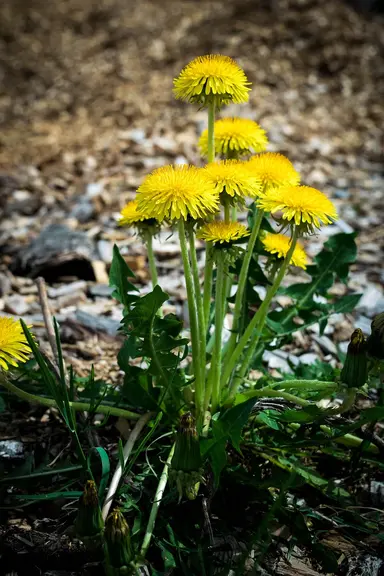
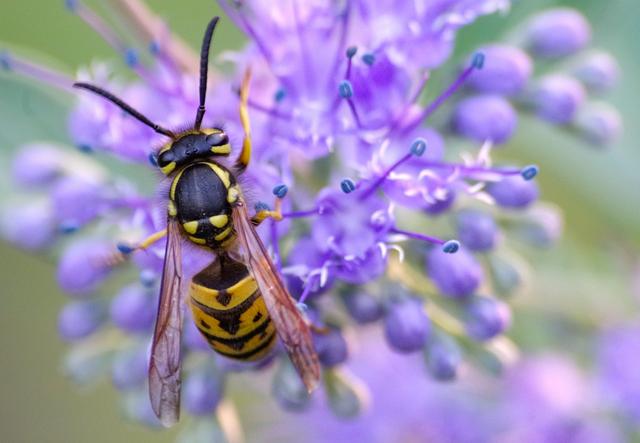
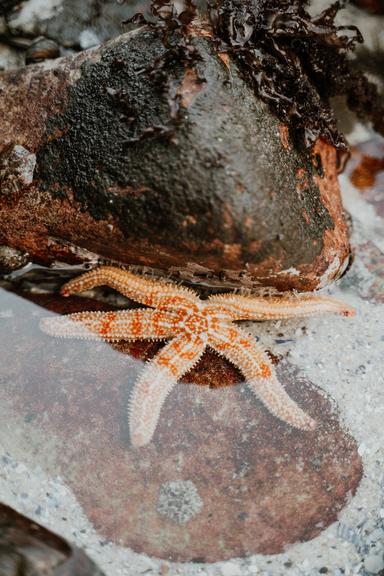
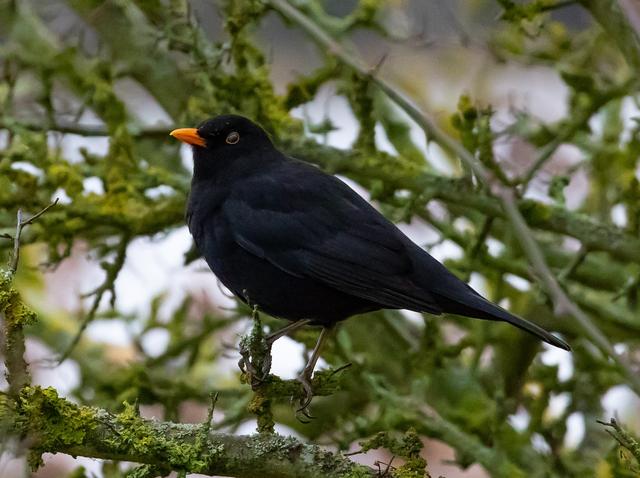
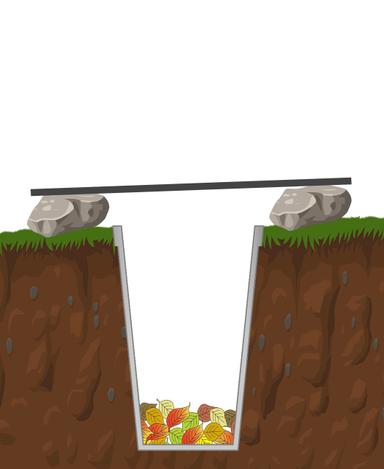
Q4.The diagram shows a pitfall trap. Which of the following organisms might be sampled using this piece of equipment?
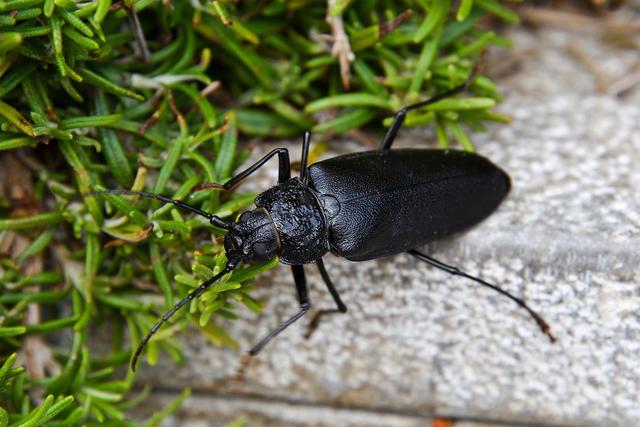
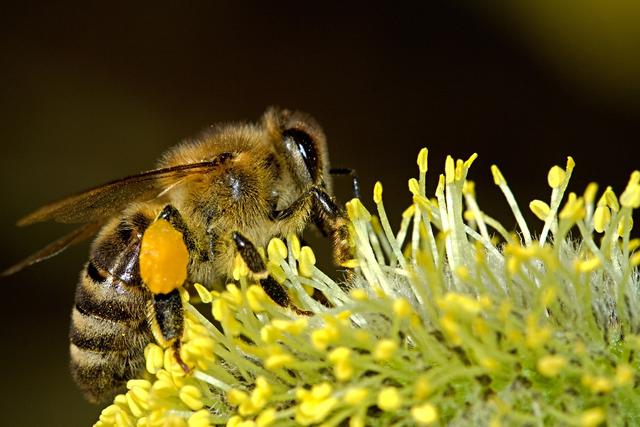
Q5.Rainfall in a habitat is an example of ...
Q6.When carrying out a mark-release-recapture experiment we put a small mark on the organism so that we know it has been captured before. What is important to remember when marking an organism?
Assessment exit quiz
6 Questions
Q1.Abundance means ...
Q2.Which of the following is true about quadrats?
Q3.What is the area of a quadrat that measures 0.5 m × 0.5 m?
Q4.Look at the results from a quadrat survey of dandelion plants. Calculate the mean number of dandelion plants in each quadrat.
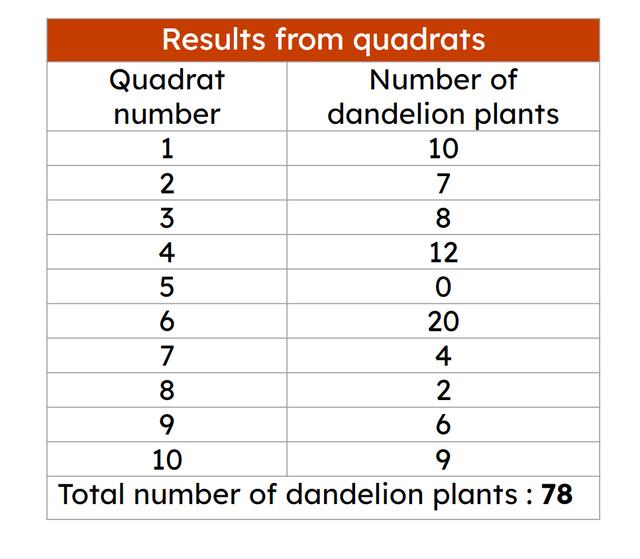
Q5.Ten 1 m² quadrats were placed in a 40 m² field. A mean of 2 snails were found in every quadrat. Estimate the population size of the whole field.
Q6.The results from a quadrat survey of dandelion plants in a school field is shown. Each quadrat is 1 m². If the school field is 1000 m², estimate the total population size of dandelion plants.
