- Year 9
Evolution
I can explain the theory of evolution by natural selection.
Lesson details
Key learning points
- Natural selection can cause the common characteristics of a species to change (evolve) over generations.
- Scientists explain evolution using the theory of evolution by natural selection.
- A scientific theory is a general explanation, developed from evidence, that explains many different examples.
- Evolution is not planned in advance; new advantageous features appear randomly and are maintained by natural selection.
- Changes in the features of an individual within its lifetime are not evolution.
Keywords
Theory - A general explanation that applies to a large number of situations. Theories are widely accepted by scientists because they have been extensively tested and evidenced.
Evolution - The process by which the characteristics of species change over many generations, sometimes becoming new species.
Natural selection - Organisms that are better adapted to their environment are more likely to survive, reproduce and pass on their genes to their offspring.
Common misconception
There are many misconceptions about evolution, including that because evolution by natural selection is a theory it is an untrustworthy explanation.
This lesson builds understanding that a scientific theory is a well evidenced and well tested explanation that is widely accepted by scientists, and also addresses some common misconceptions about evolution.


Equipment

Licence
Lesson video
Loading...
Prior knowledge starter quiz
6 Questions
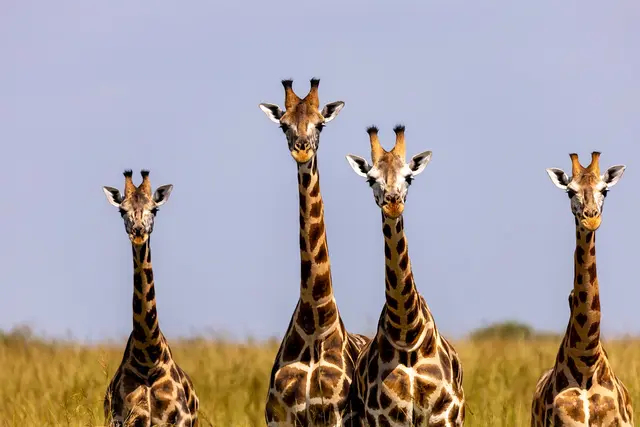
Q1.There are differences between these four individuals of the same species of giraffe. What is the scientific term for these differences?
Q2.Giraffes eat leaves from trees, but there is a limited number of leaves. The giraffes are in for the leaves.
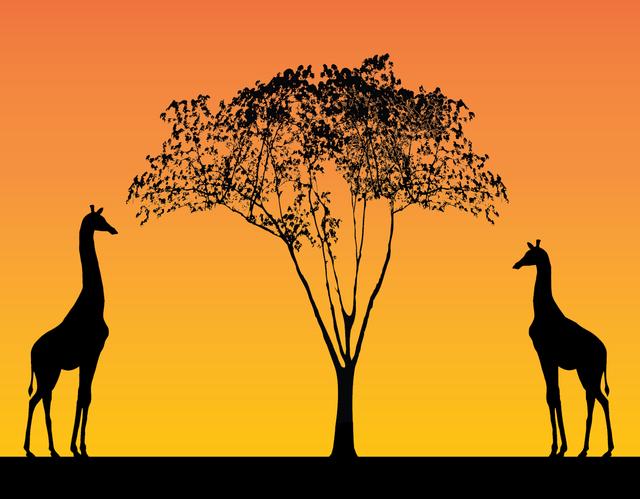
Q3.Which giraffe has an advantage in the competition for food?
Q4.Which giraffe is the best adapted to survive?
Q5.Which giraffe would scientists describe as the fittest?
Q6.Put the statements in order, to explain why giraffes with longer necks became more common in the population.
Assessment exit quiz
6 Questions
Q1.Which of the following provides evidence that the characteristics of species change over many generations?
Q2.The characteristics of species change over many generations, sometimes taking thousands of years. What word do scientists use to describe this process?
Q3.Which of these are features of a scientific theory?
Q4.Which of the following statements are true?
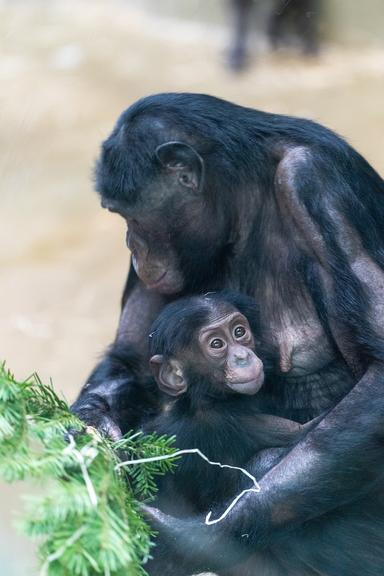
Q5.Match each example to its correct description.

Q6.Warfarin is a poison used to kill rats. Over many generations, resistance to warfarin has become common amongst rats and it no longer kills them. Who has correct ideas that help to explain this?