


New
New
Explain that non-unit fractions are made of more than one unit fraction
I can explain that non-unit fractions are made of more than one unit fraction.


Lesson 1 of 10
New
New
- Year 3
Explain that non-unit fractions are made of more than one unit fraction
I can explain that non-unit fractions are made of more than one unit fraction.
Lesson details
Key learning points
- A non-unit fraction has a numerator greater than 1; it is composed of more than one unit fraction.
- We say, 'the whole has been divided into ___ equal parts, and I have ___ of them'.
- Dual language of 'five-sixths' and 'five one-sixths' can be used to describe non-unit fractions.
- When describing a fraction of the whole, the whole could be a shape, a line or a group of objects.
Keywords
Non-unit fraction - A non-unit fraction has a numerator greater than 1
Common misconception
Pupils may not recognise the total number of equal parts that make up the whole and may instead just count the number they have / are shaded for example.
Encourage pupils to count the total number of equal parts that make up the whole and then the number that are shaded. Stress that the denominator shows the number of equal parts that make up the whole and that the numerator shows the number we have.
Pupils make the link between unit and non-unit fractions, understanding, for example, that seven one-tenths are equal to seven tenths. Pupils should explore this with area, linear and quantity models. One-tenth is a division commonly used in measurements and is worth exploring in context further.

Teacher tip

Licence
This content is © Oak National Academy Limited (2025), licensed on Open Government Licence version 3.0 except where otherwise stated. See Oak's terms & conditions (Collection 2).
Lesson video
Loading...
Prior knowledge starter quiz
6 Questions
Q1.How many parts has the shape been divided into?
How many parts has the shape been divided into?
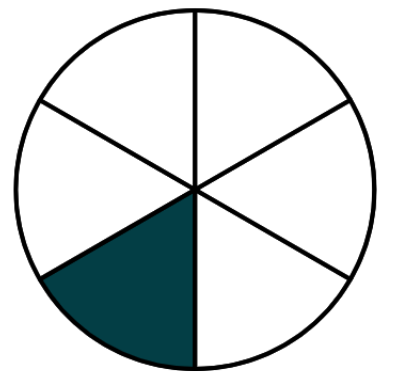
2
4

8
Q2.Sofia shades half of this shape. How many parts would she need to shade?
Sofia shades half of this shape. How many parts would she need to shade?
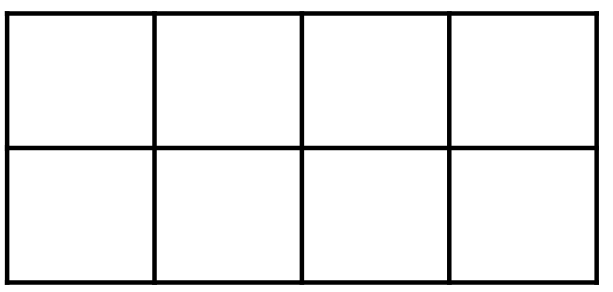
2
6
8
Q3.What fraction is represented?
What fraction is represented?
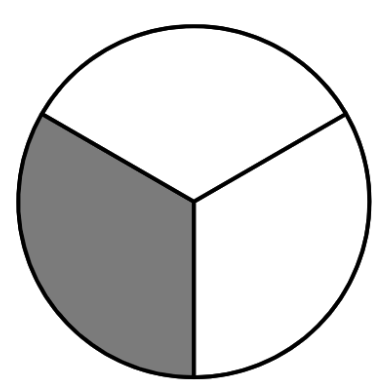
one-quarter
one-fifth
Q4.Which image shows one-quarter?
Which image shows one-quarter?
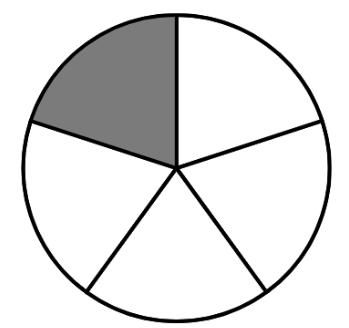
a)
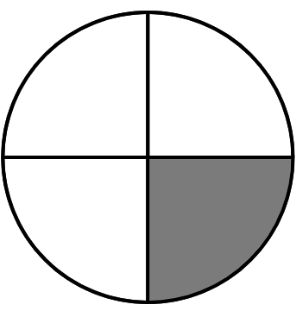
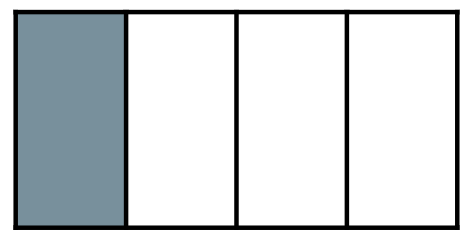
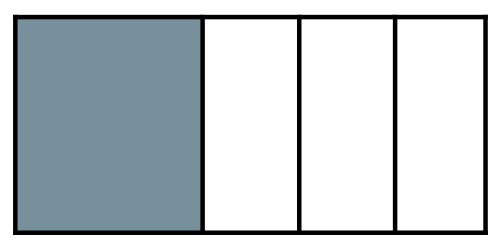
d)
Q5.What fraction of the frogs are on the log?
What fraction of the frogs are on the log?
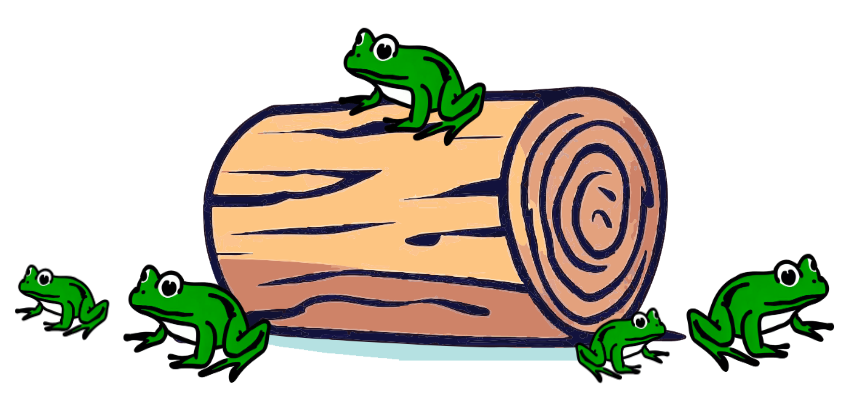
one-third
one-quarter
one-sixth
Q6.What fraction of the pandas are wearing hats?
What fraction of the pandas are wearing hats?
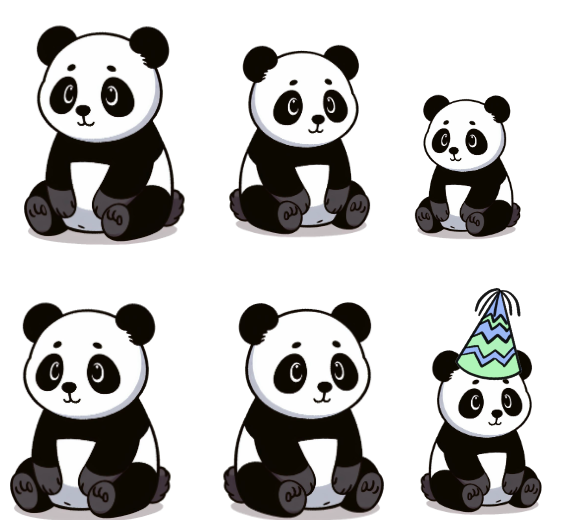
one-third
one-quarter
one-fifth
Assessment exit quiz
6 Questions
Q1.Which description is correct?
Which description is correct?
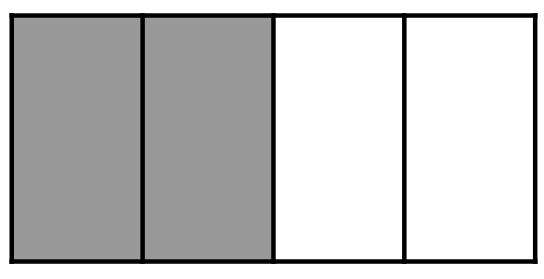
one-quarter is shaded
two-thirds are shaded
Q2.Which description is correct?
Which description is correct?
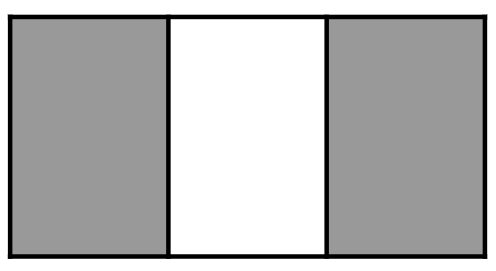
one-third is shaded
2 one-quarters are shaded
Q3.What fraction is of the shape is shaded?
What fraction is of the shape is shaded?
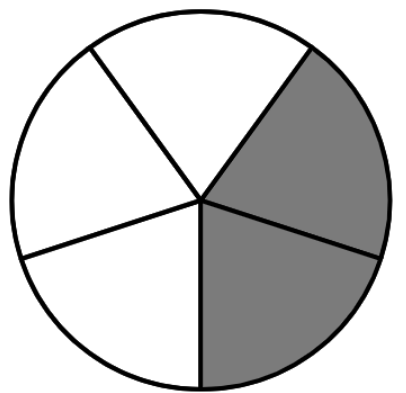
two-thirds
2 one-thirds
Q4.What fraction of the shape is shaded?
What fraction of the shape is shaded?
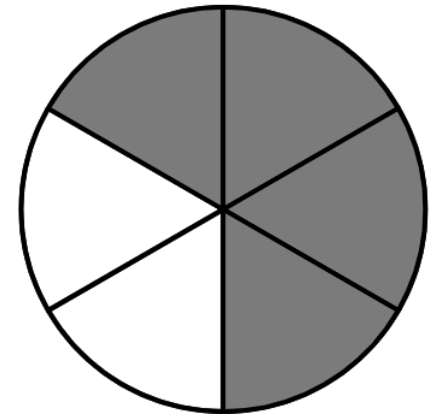
four-quarters
one-sixth
two-sixths
Q5.What fraction of the frogs are on the log?
What fraction of the frogs are on the log?
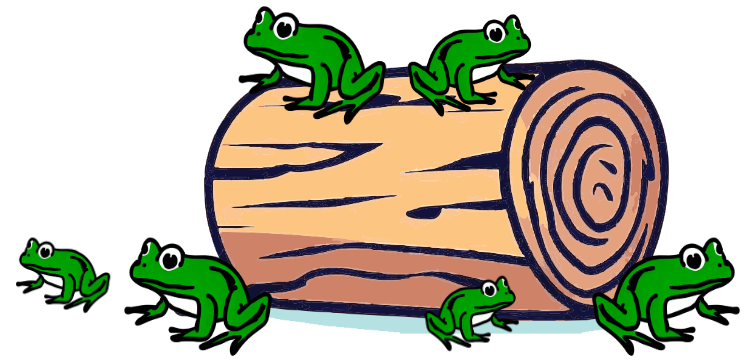
four-sixths
two-fifths
two-quarters
Q6.What fraction of the pandas are wearing hats?
What fraction of the pandas are wearing hats?
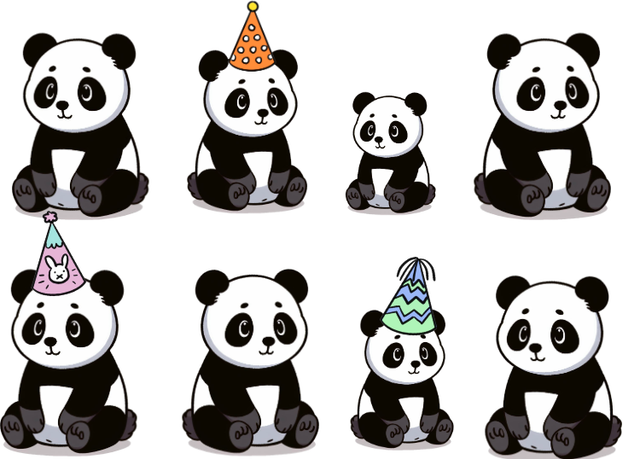
three-quarters
three-sevenths
three-fifths
