


New
New
Explore the shades, textures and colours of a rainforest
I can explore the shades and textures of a rainforest.


Lesson 5 of 6
New
New
- Year 3
Explore the shades, textures and colours of a rainforest
I can explore the shades and textures of a rainforest.
Lesson details
Key learning points
- Mixing colours creates a range of natural colours for a palette.
- Blending, sponging and stippling creates different textures.
- Tinting involves adding white to a colour to make it lighter, while shading involves adding black to make it darker.
- Using smaller brushes allows fine details to be added to a painting.
Keywords
Texture - how something feels or how something looks like it would feel
Shade - is where an artist adds black to a colour to darken it down
Tint - is where an artist adds white to create a lighter version of the colour
Colour palette - is the group of colours you choose for your artwork
Common misconception
Pupils may think that mixing in lots of colours makes a better brown.
Overmixing paint can lead to a muddy, unappealing colour, rather than a clean, rich brown.
This lessons is all about colour mixing and creating earthy tones. Focus on the concept of balance and moderation. Encourage pupils to start with small amounts of each colour and gradually adjust. This will help them see the effects of colour mixing without overwhelming pupils with too much paint.

Teacher tip

Equipment
Paint, palettes, different size brushes and sponges.

Licence
This content is © Oak National Academy Limited (2025), licensed on Open Government Licence version 3.0 except where otherwise stated. See Oak's terms & conditions (Collection 2).
Lesson video
Loading...
Prior knowledge starter quiz
6 Questions
Q1.When sketching the trees in the rainforest, which shapes could you use to represent the trunk and canopy?
When sketching the trees in the rainforest, which shapes could you use to represent the trunk and canopy?
Triangular shapes for trunks, circles for leaves
Straight lines for trunks, zigzag for leaves
Square shapes for trunks, curved shapes for leaves
Q2.What shape is most commonly used to represent a leaf in a rainforest sketch?
What shape is most commonly used to represent a leaf in a rainforest sketch?
Circular shape
Square shape
Triangular shape
Q3.What is the main purpose of shading in a drawing?
What is the main purpose of shading in a drawing?
To outline the subject clearly
To add bright colours to the artwork
To fill in the background space
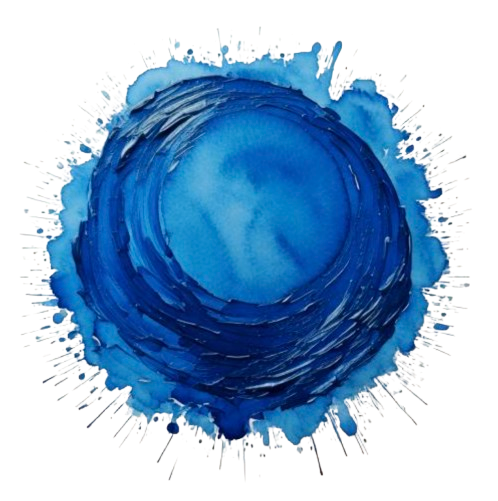
Q4.Which of the following are primary colours?
Which of the following are primary colours?
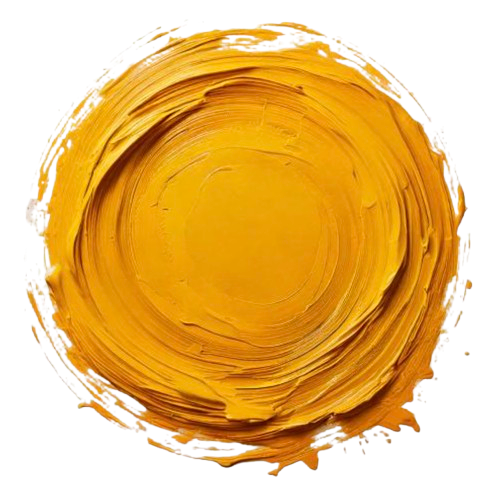
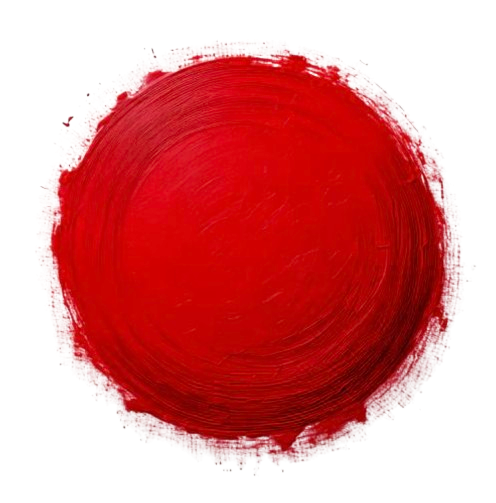
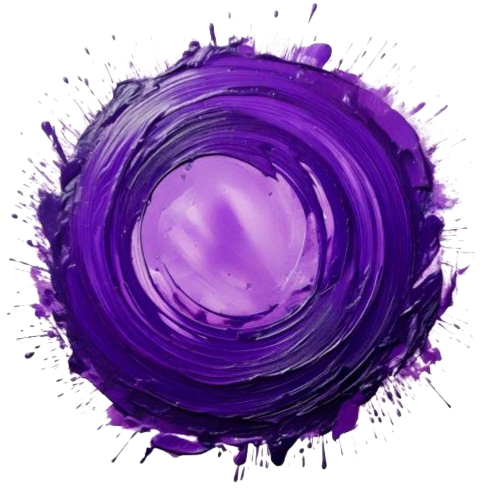
purple
Q5.Which of the following are secondary colours?
Which of the following are secondary colours?
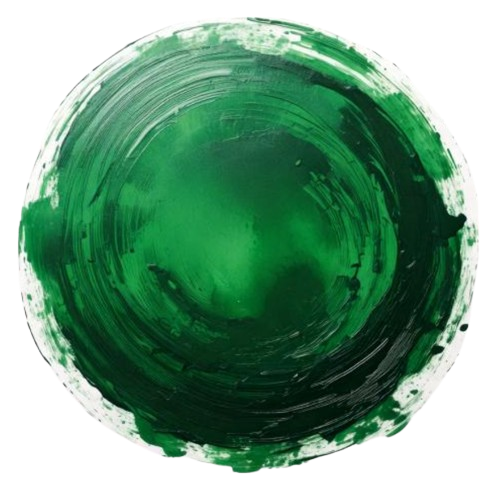
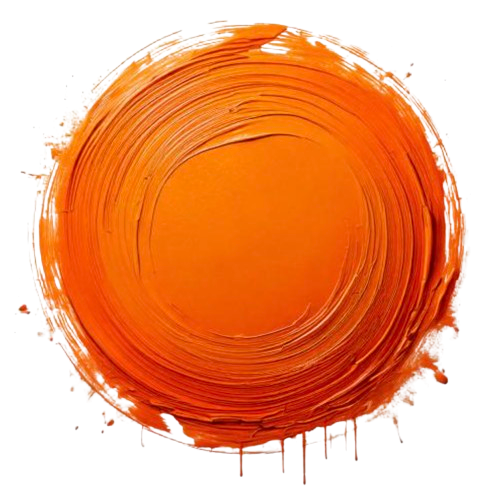
Q6.Match the drawing technique with its correct description:
Match the drawing technique with its correct description:

Assessment exit quiz
4 Questions
Q1.What does a 'tint' refer to when mixing colours in art?
What does a 'tint' refer to when mixing colours in art?
Adding black to a colour to make it darker
Adding grey to a colour to make it neutral
is where an artist adds white to create a lighter version of the colour
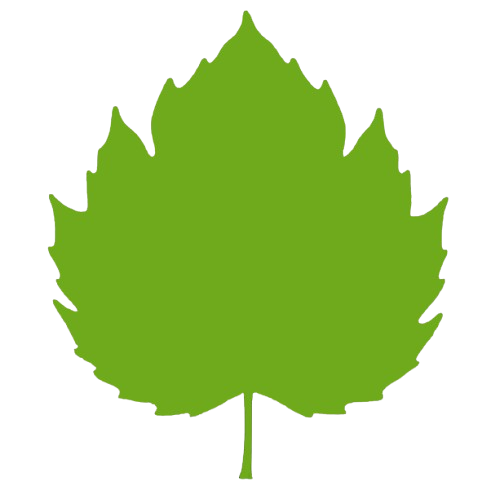
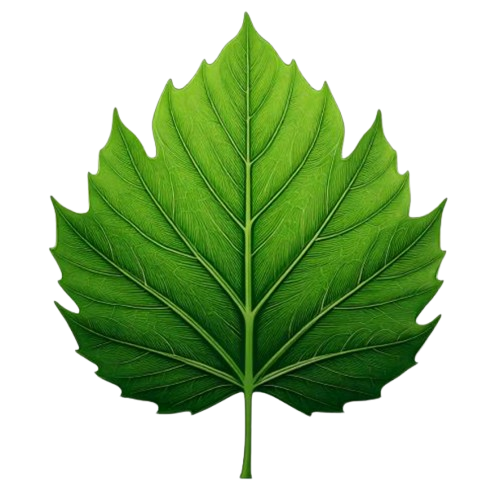
Q2.On which leaf has tone been applied?
On which leaf has tone been applied?
Q3.True or false: shading often involves using darker colours to show shadows to make a painting look more three-dimensional.
True or false: shading often involves using darker colours to show shadows to make a painting look more three-dimensional.
false
Q4.Using smaller brushes allows __________ to be added to paintings.
Using smaller brushes allows __________ to be added to paintings.
collage
words
colour
