Extreme weather: heatwaves and wild fires (non-statutory CC & Sustainability)
I can explain how more extreme weather, including heatwaves and wildfires, can affect environments.


- Year 4
Extreme weather: heatwaves and wild fires (non-statutory CC & Sustainability)
I can explain how more extreme weather, including heatwaves and wildfires, can affect environments.
Lesson details
Key learning points
- The air around our planet is warming up, this can lead to heatwaves in some countries of the world.
- The temperature for a 'heatwave' is different in different countries.
- Extreme weather, including heatwaves, are dangerous for animals including humans.
- Wildfires are dangerous as they spread quickly and are difficult to put out.
- Wildfires can harm plants and animals and can damage the soil.
Keywords
Temperature - Temperature is a measure of how hot something is.
Climate - Climate is weather patterns over a long period of time.
Heatwave - In the UK, a heatwave is at least three consecutive days of temperatures above what would normally be expected.
Extreme - Extreme is very large in amount, much more than normal.
Wildfire - A wildfire is a large, destructive fire that spreads quickly through forests, grasslands and other areas with lots of plants.
Common misconception
Pupils may believe that heatwaves are just a ‘hot’ day and that wildfires are always caused by humans.
Discuss with pupils the length and severity needed for an event to become a heatwave. Share with the pupils how the weather and conditions contribute to increased risk of wildfires occurring.


Equipment
In Task A, the children are encouraged to make a voice recording so a device to save these recordings would be useful. If making a leaflet in Task B, resources needed will be paper and coloured pens.

Content guidance
- Depiction or discussion of violence or suffering

Supervision
Adult supervision required

Licence
Lesson video
Loading...
Prior knowledge starter quiz
6 Questions
Q1.Which of these pieces of equipment would we use to measure temperature?
Q2.Which of these would you use to measure rainfall?
Q3.Match the equipment to its unit of measure.

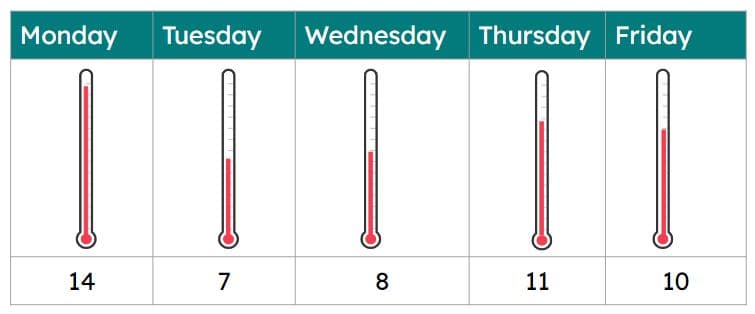
Q4.The outside air temperatures were recorded for 5 days in °C. Starting with the warmest, put the days in temperature order.