


Grouping plants
I can use observable characteristics to classify plants in different ways.


- Year 4
Grouping plants
I can use observable characteristics to classify plants in different ways.
Lesson details
Key learning points
- Many plants have similar features that allow us to sort them into groups.
- Plants can be grouped by their observable characteristics.
- Observable characteristics can include information about colour, size, shape and structure.
- The process of grouping plants based on their similarities and differences is called classification.
- Plants can be classified into categories such as flowering plants and non-flowering plants.
Keywords
Observe - To observe is to look very closely and use other senses too.
Groups - We put similar things together in groups.
Observable characteristics - An observable characteristic is a feature of a living thing that we can see or describe using our senses. We can use these to help identify it.
Classify - To classify is to sort objects into groups based on their similarities and differences.
Common misconception
Pupils may believe that all plants are green and have flowers.
Clarify with a range of examples that some plants have flowers and some don't. Discuss with the pupils if they think even flowering plants will always have a flower on them all year round.


Equipment
Access to secondary sources or the outdoors to find other plants.

Content guidance
- Exploration of objects

Supervision
Adult supervision recommended

Licence
Lesson video
Loading...
Prior knowledge starter quiz
6 Questions
Q1.Which of these are plants?
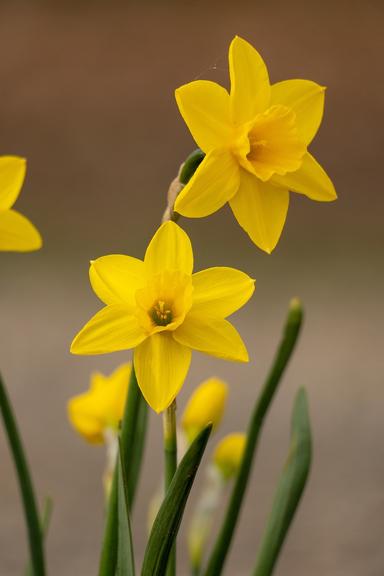
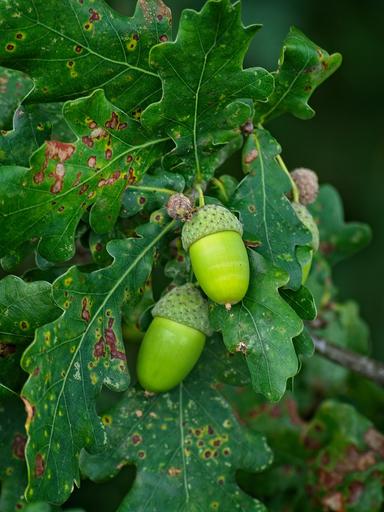
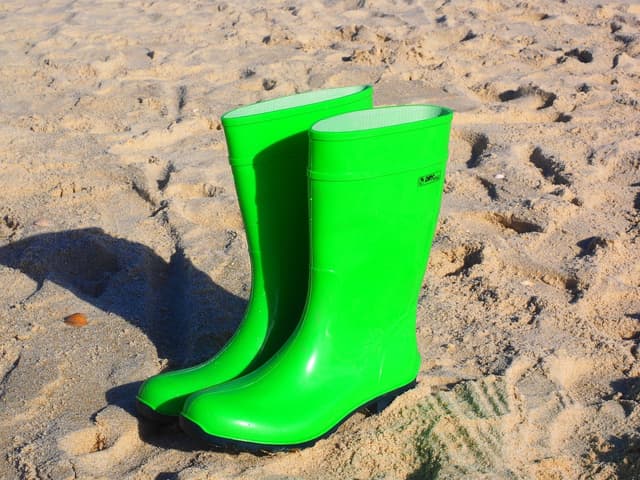
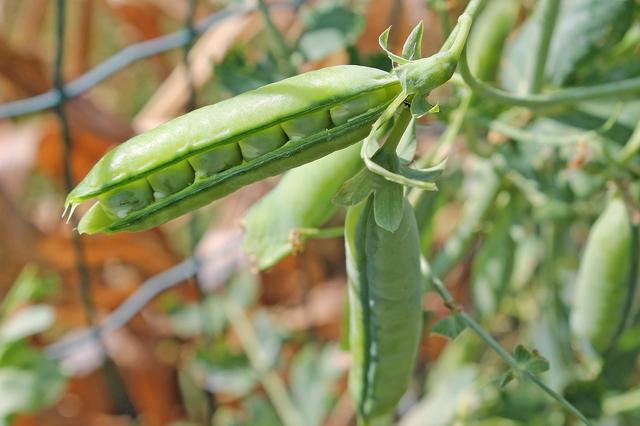
Q2.What do all plants have in common?
Q3.Match the parts of the plant to its function.

Q4.Which of these are observable characteristics?
Q5.Why might a scientist use this type of diagram ?
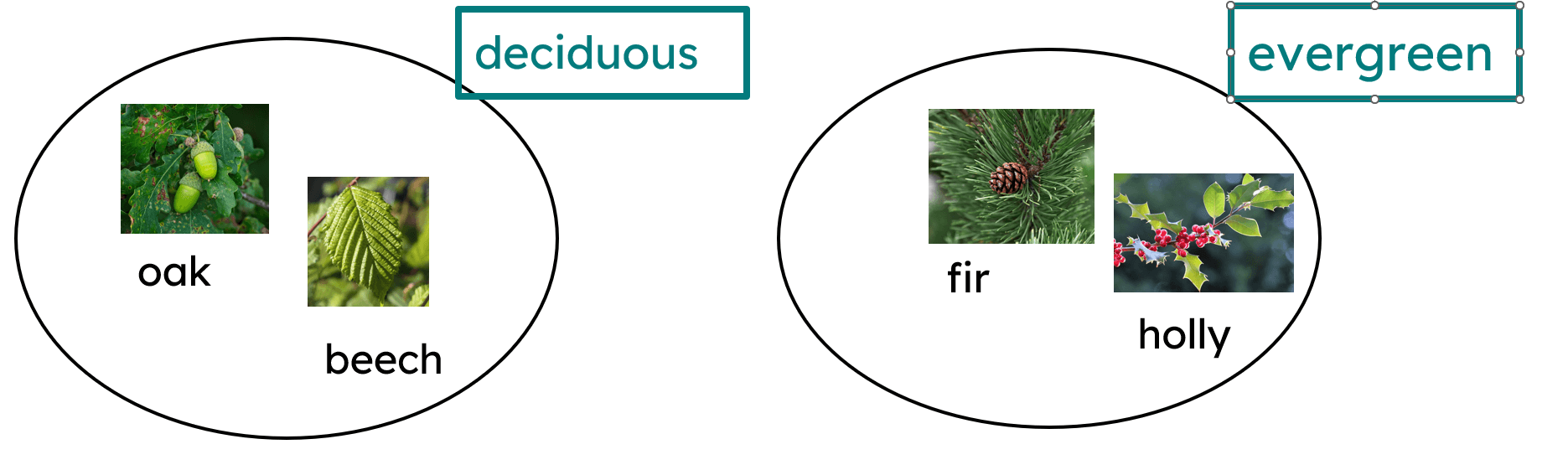
Q6.What is the name of this type of diagram?
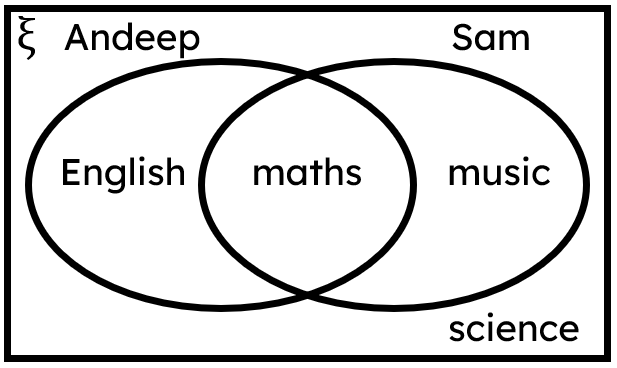
Assessment exit quiz
6 Questions
Q1.Which of these are features of some plants?
Q2.Which of the plants listed could be added to the group of plants that are trees?
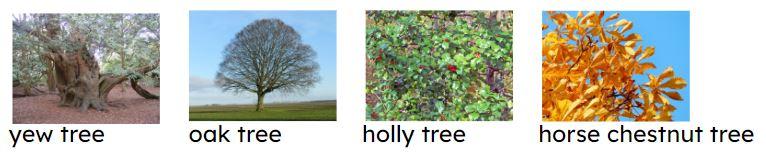
Q3.Which of these are observable characteristics of plants with flowers?
Q4.When scientists group plants based on their similarities and differences it is called .
Q5.Match the description of the plant groups to its correct observable characteristic.
