


Heating different substances
I can explain how a material’s specific heat capacity describes how easily it is heated or how much energy it transfers as it cools.


- Year 10
- OCR
Heating different substances
I can explain how a material’s specific heat capacity describes how easily it is heated or how much energy it transfers as it cools.
Lesson details
Key learning points
- Different hot metals, of the same mass and starting temperature, heat a fixed amount of water by different amounts.
- The energy a material has because its particles are moving with forces between them can be labelled internal energy.
- The larger the specific heat capacity of a material, the more energy transferred to increase its temperature by 1ºC.
- The larger the specific heat capacity of a material, the more heating it does as its temperature falls by 1ºC.
Keywords
Temperature - a measure of how hot a substance is; it is related to the kinetic energy of the individual particles
Specific heat capacity - the change in internal energy when the temperature of 1 kg of the material changes by 1°C
Internal energy - the sum of the kinetic energy and potential energy of the particles something is made of
Kinetic energy - the energy an object has because of it's motion
Potential energy - the energy an object has because of its position and the forces acting on it
Common misconception
Pupils confuse ideas about temperature and energy.
Use examples in different contexts to develop and consolidate ideas about differences between temperature and energy.


Licence
Lesson video
Loading...
Prior knowledge starter quiz
6 Questions
Q1.Match the following quantities to the unit it is measured in.

Q2.Which of the following objects are made from materials that are thermal insulators?
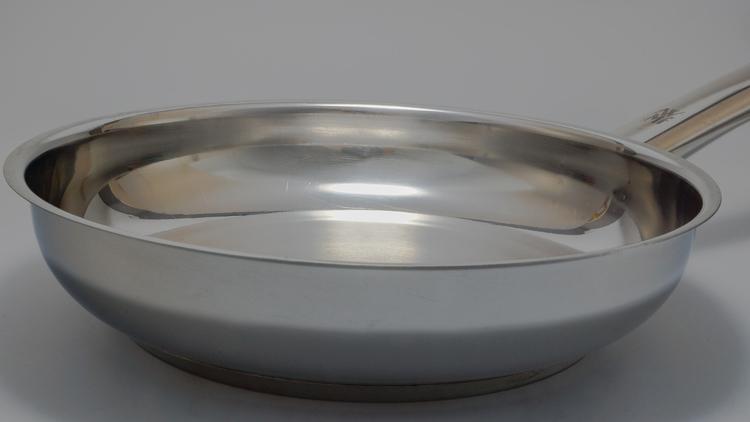

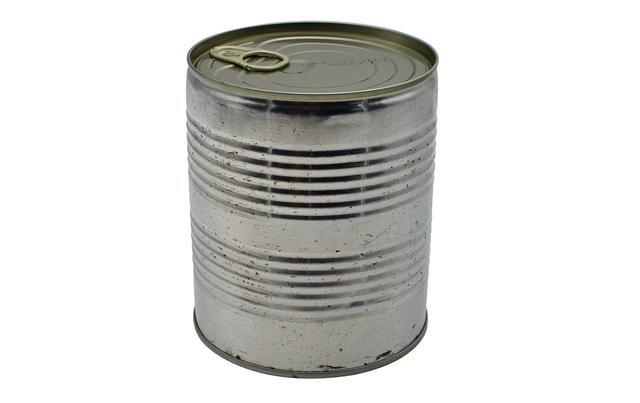

Q3.Complete the statements: Metals are good thermal conductors because they have free which can transfer energy rapidly from one place to another.
Q4.Why is it important to insulate a loft (attic) in a house?

Q5.A pupil is investigating the effect of the thickness of wool insulation on the cooling of a hot water bottle. Which of the following is the dependent variable in the experiment?
Q6.A pupil records the temperature of a cooling object every 60 s. The recorded temperatures are: 80°C, 75°C, 71°C, 68°C and 66°C.
What conclusions can be made from these results?
Assessment exit quiz
6 Questions
Q1.Match the following key words or phrases to their definitions.
