Identification and classification in the field
I can use a classification key to identify and classify organisms in their natural habitats.


- Year 8
Identification and classification in the field
I can use a classification key to identify and classify organisms in their natural habitats.
Lesson details
Key learning points
- Make, record and interpret observations of organisms in the field.
- Use a classification key to identify and classify organisms in the field.
- How to work safely in a way that minimises harm to living organisms and disruption of ecosystems.
Keywords
Classification key - A series of questions about the features of organisms that help us to identify and classify them correctly.
Habitat - The environment in which an organism naturally lives.
Fieldwork - Collecting data outdoors in the natural habitats of organisms.
Data - Observations and measurements.
Common misconception
Drawing a graph with the axes incorrectly orientated (independent variable on y axis instead of x).
Outline and model graphs shown and discussed with links made between independent and dependent variables and the axes they appear on.


Content guidance
- Risk assessment required - equipment

Supervision
Adult supervision required

Licence
Lesson video
Loading...
Prior knowledge starter quiz
6 Questions
Q1.After we have handled plants or animals we must wash our hands with and warm water.
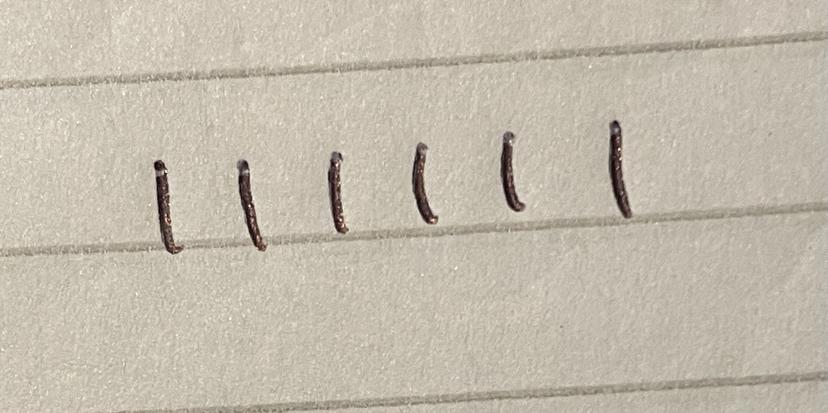
Q2.Which example shows the correct use of a tally?
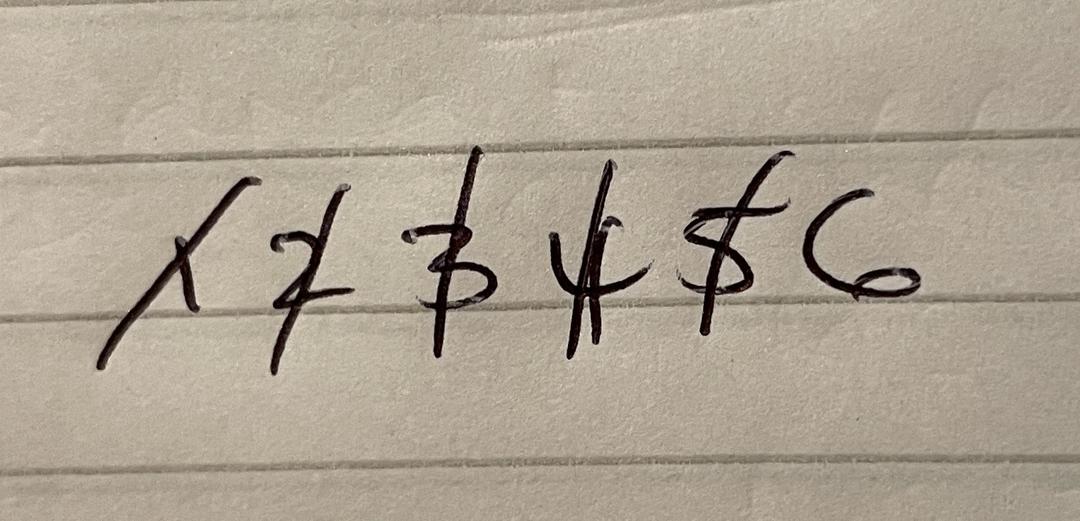
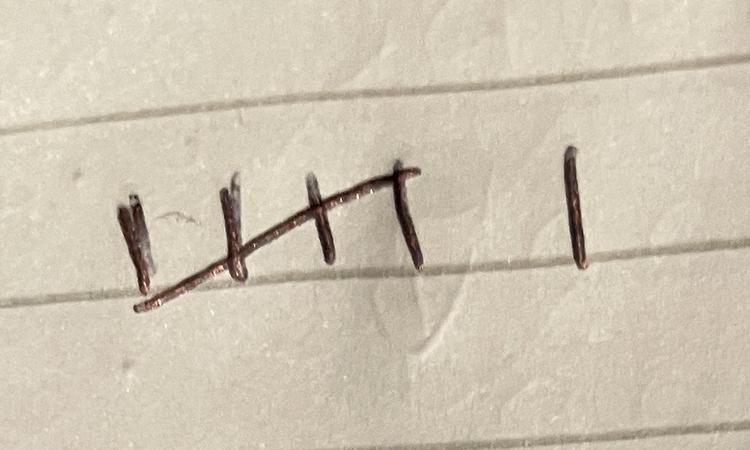
Q3.In an investigation, the independent variable is…
Q4.On a graph, the independent variable goes on which axis?
Q5.Which types of organisms is a classification key used to identify?
Q6.Which features of an organism do we use to classify them?
Assessment exit quiz
6 Questions
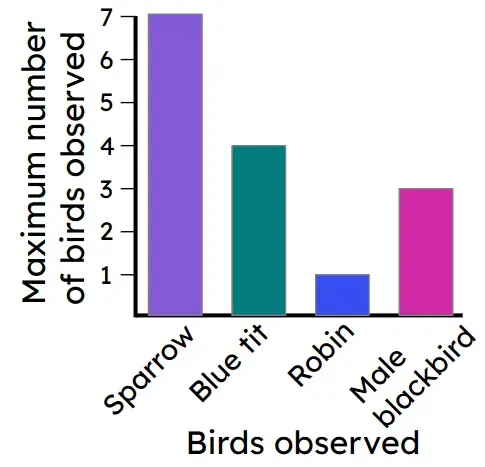
Q1.From the graph, which bird was most seen at the bird feeder?
Q2.To protect wild birds from harm when studying them, we must:
Q3.To protect plants from damage when we are studying them, we must:
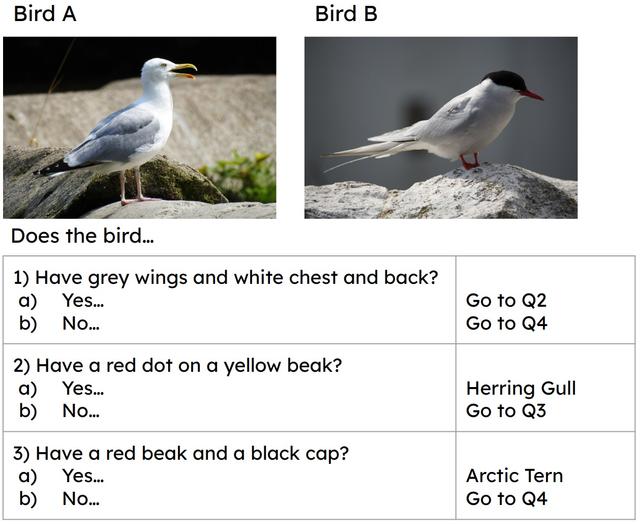
Q4.Use the key to classify the sea birds.

Q5.From the graph, which conclusion is correct?
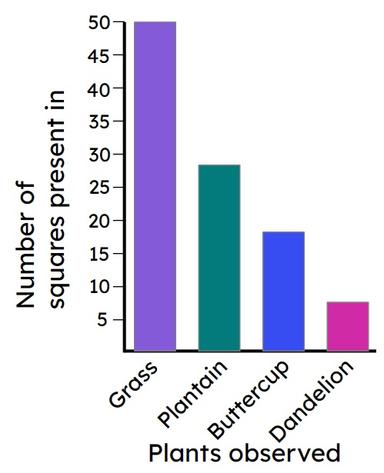
Q6.Which piece of equipment will you need to use to study plants in a field?