Identify the number of equal or unequal parts in a whole
I can identify the number of equal or unequal parts in a whole.


- Year 3
Identify the number of equal or unequal parts in a whole
I can identify the number of equal or unequal parts in a whole.
Lesson details
Key learning points
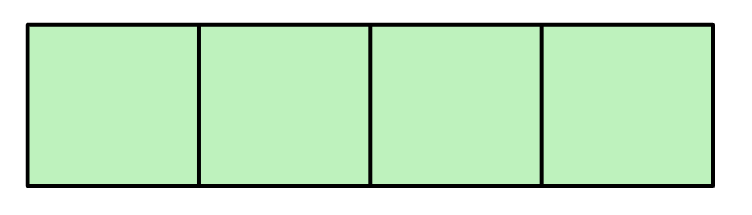
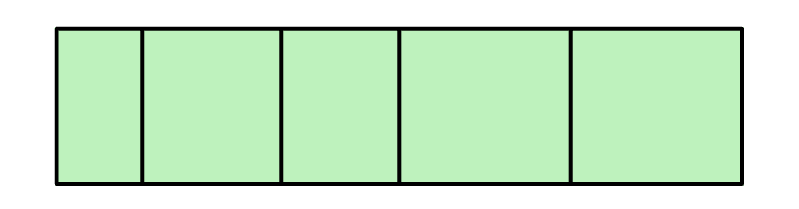
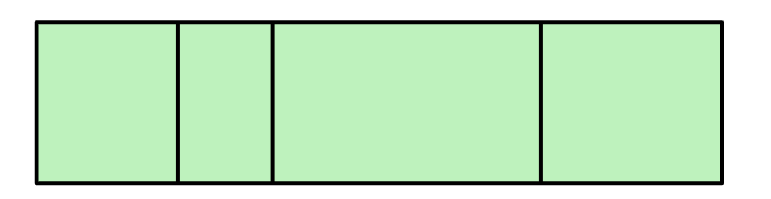
- Parts can be equal or unequal in size.
- There are __ equal parts in the whole.
- There are __ unequal parts in the whole.
Keywords
Whole - The whole is all the parts or everything, the total amount.
Part - A part is some of the whole.
Equal - We say that two or more things are equal if they have the same quantity or value.
Unequal - We say that two or more things are unequal if they do not have the same quantity or value.
Common misconception
Sometimes parts can be deceptive and look equal but are in fact unequal. For example, the rhombus that has been split into parts with lines that are equally distributed.
Explore this further by presenting several examples like this if needed. You could ask the children to try and think of some examples where the parts look equal but are in fact unequal. Getting the children thinking of this will boost understanding.


Licence
Lesson video
Loading...
Prior knowledge starter quiz
6 Questions
Q1.What is the missing label in this bar model?
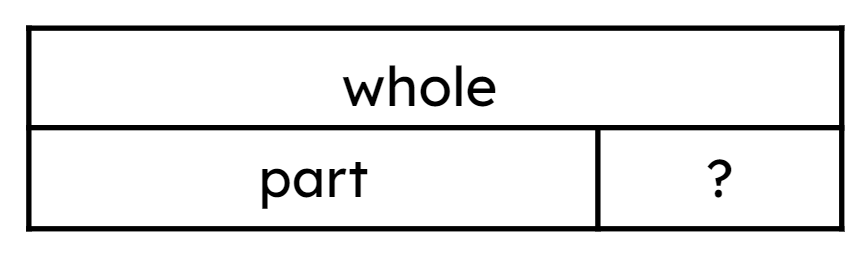
Q2.What is the missing whole in this bar model?
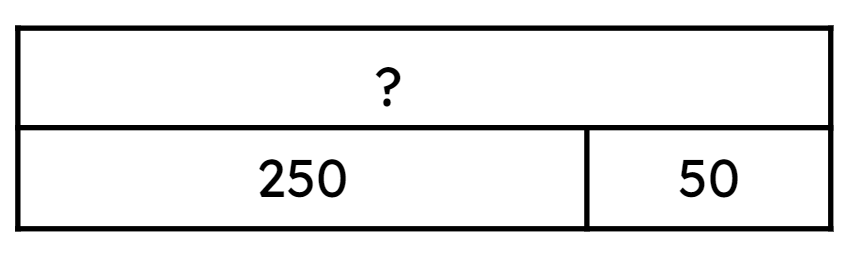
Q3.If I have two 50 pence pieces, how much money do I have altogether? pence.
Q4.Look at the sequence of the months of the year. Which month is missing?
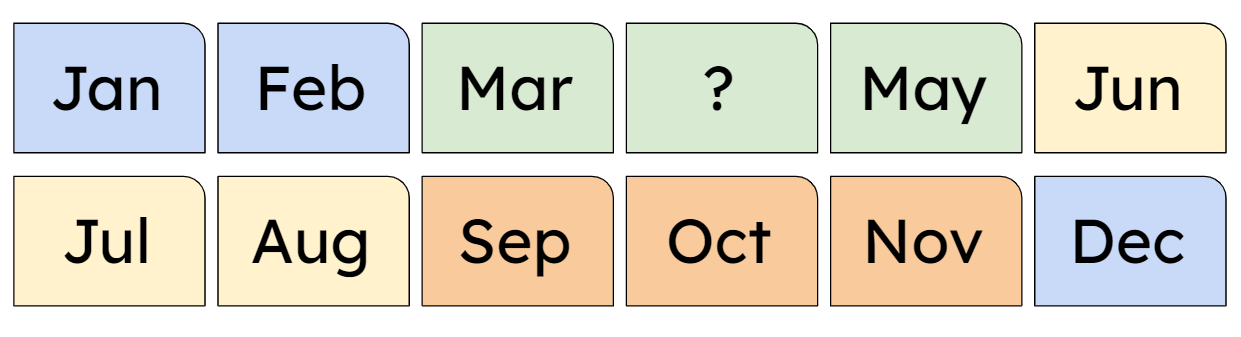
Q5.What is the missing part in this bar model?
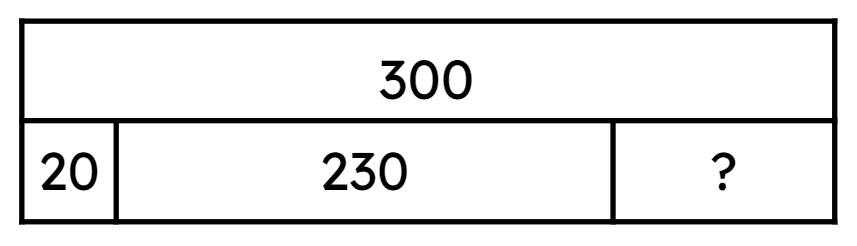
Q6.Tick the images that correctly show a shape that has been divided into two equal parts.
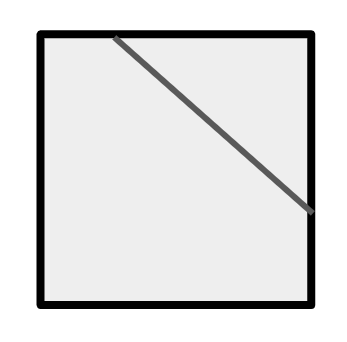
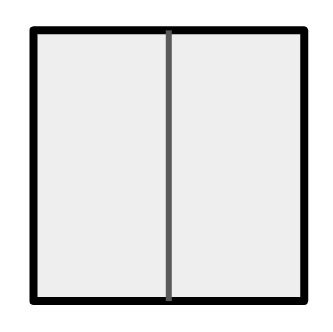
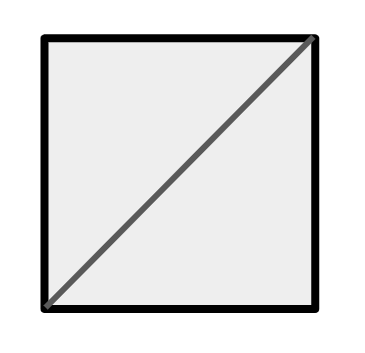
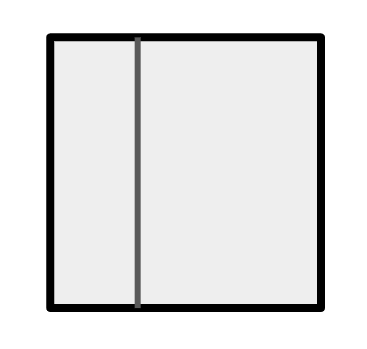
Assessment exit quiz
6 Questions
Q1.Which of these statements is correct?
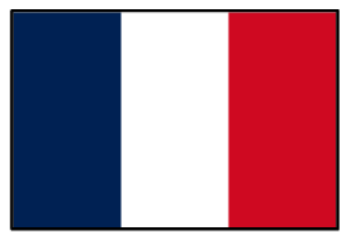
Q2.Which flag is being described? It is made of blue, white and red parts.
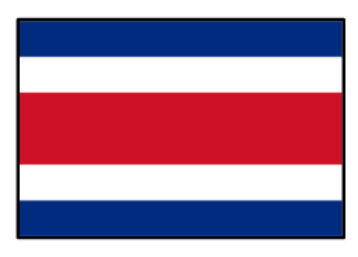
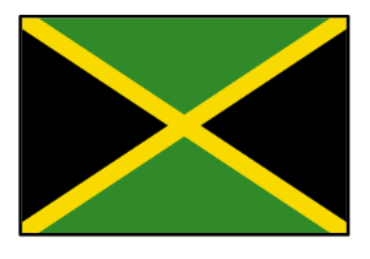
Q3.Which flag is being described? It is made of unequal parts.

Q4.This square has been split into four parts.

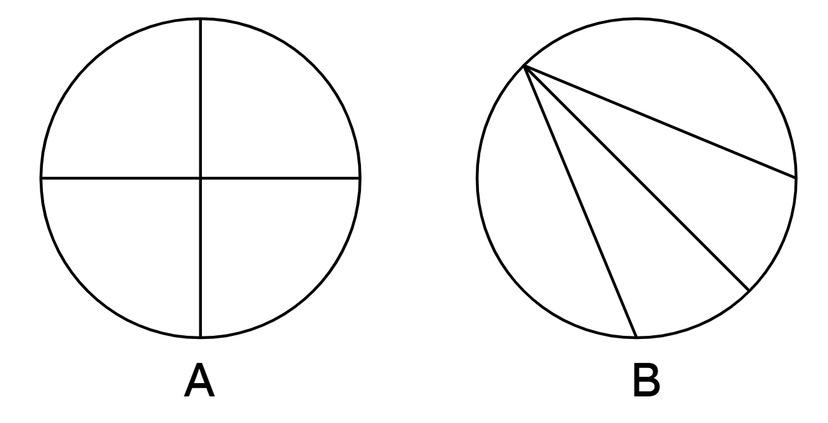
Q5.Match the shapes to their descriptions.

Q6.Which strip of paper is being described? It has been folded into 4 unequal parts.