


Introducing observable characteristics
I can group objects using observable characteristics.


- Year 4
Introducing observable characteristics
I can group objects using observable characteristics.
Lesson details
Key learning points
- Objects can be organised into groups based on what they have in common.
- Observable characteristics can include information about colour, size, shape or structure.
- Observable characteristics help us to sort objects into common groups.
- A Venn diagram and a Carroll diagram are both ways of presenting objects belonging to more than one common group.
Keywords
Group - To group things is to put similar things together.
Common - To have something in common is to share interests or other characteristics with someone or something.
Observable characteristic - An observable characteristic is a feature or property of a living thing that we can see or use our other senses to observe.
Diagram - A diagram is a simplified representation of information.
Common misconception
Pupils sometimes rely upon an organism’s habitat to classify it, rather than its physical features; this can lead to misunderstandings and misclassification.
As you model groupings, be clear to use observable features of the objects you are grouping - focus on what you can observe as a characteristic of being human.


Equipment
None required.

Content guidance
- Exploration of objects

Supervision
Adult supervision recommended

Licence
Lesson video
Loading...
Prior knowledge starter quiz
6 Questions
Q1.Humans ask to help them understand how and why things happen in the world.
Q2.Which of these questions can be answered with a yes or a no response?
Q3.Which of these question starters would give you a yes or no answer?
Q4.Why do scientists ask yes/no questions?
Q5.Look at the image. Which of the things listed would belong in this group?
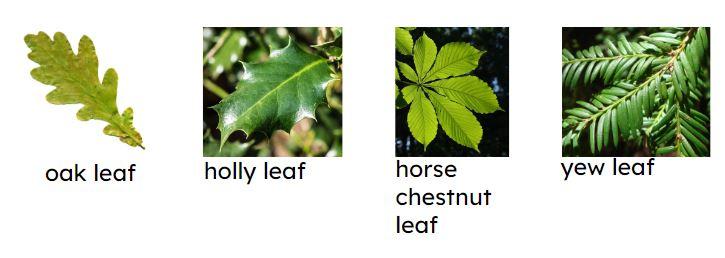
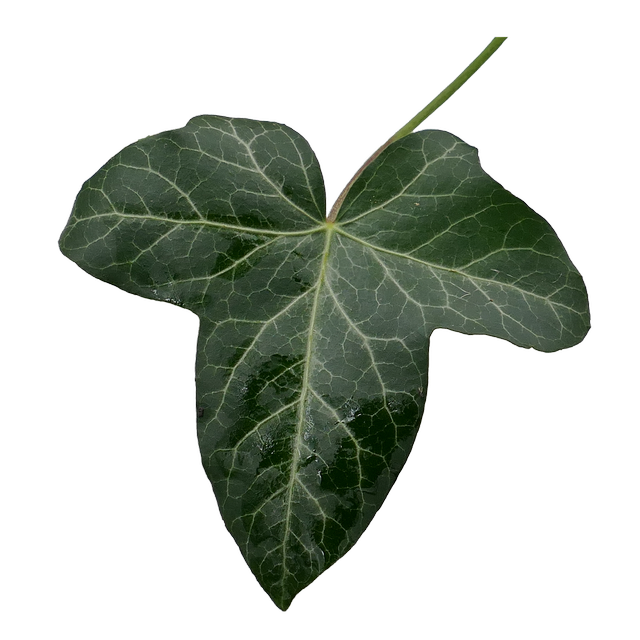


Q6.Match the object to the the most suitable group.

Assessment exit quiz
6 Questions
Q1.To group things is to put things together.
Q2.A group is made up of ...
Q3.Look at the image. What do the objects have in common?

