


New
New


Lesson 2 of 4
New
New
- Year 7
Muscles
I can describe what muscles are made of and how they move.
Lesson details
Key learning points
- The human body contains muscles.
- Muscles are a type of tissue made up of specialised cells.
- Muscles can contract and relax.
- Muscles need sugar and oxygen to contract.
- Different types of muscle have roles in organ systems, including cardiac muscle, smooth muscle and skeletal muscle.
Keywords
Muscle - A living tissue made up of muscle cells.
Contraction - The shortening of muscles, which requires energy.
Cardiac muscle - Found in the heart and moves involuntarily.
Smooth muscle - Found in organs such as the stomach and intestines and moves involuntarily.
Skeletal muscle - Joined to bones, and moves voluntarily to make bones move.
Common misconception
Thinking that muscles are only found attached to the skeleton to move our limbs, and nowhere else.
Discussion of three types of muscle, where they are found, and their roles.
Encourage students to think about which of their muscles they can control. Do they have to think about pushing food through their digestive system or increasing their heart rate when exercising?

Teacher tip

Equipment

Licence
This content is © Oak National Academy Limited (2026), licensed on Open Government Licence version 3.0 except where otherwise stated. See Oak's terms & conditions (Collection 2).
Lesson video
Loading...
Prior knowledge starter quiz
6 Questions
Q1.True or false? All living things are made of cells.
True or false? All living things are made of cells.
False
Q2.Which of the following are not found in an animal cell?
Which of the following are not found in an animal cell?
Mitochondria
Nucleus
Cell membrane
Q3.Mitochondria release energy in a process known as ____.
Mitochondria release energy in a process known as ____.
Q4.Which of these are examples of specialised animal cells?
Which of these are examples of specialised animal cells?
Root hair cell
Palisade cell
Q5.What do living organisms need from the air for respiration?
What do living organisms need from the air for respiration?
Carbon dioxide
Nitrogen
Q6.What is the best description of a muscle in a living human body?
What is the best description of a muscle in a living human body?
It is not a tissue.
It is a non-living tissue.
Assessment exit quiz
6 Questions
Q1.Which cell diagram shows muscle cells?
Which cell diagram shows muscle cells?
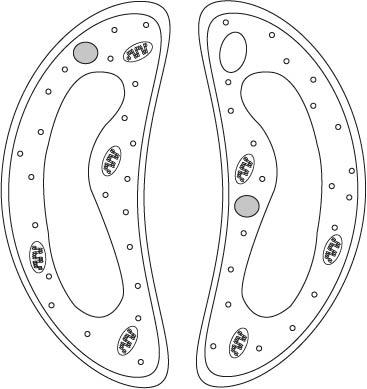

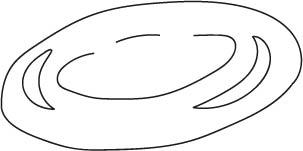
Q2.Muscle cells contain mitochondria which use and sugar to release energy so they can contract.
Muscle cells contain mitochondria which use and sugar to release energy so they can contract.
Q3.True or false? Skeletal muscle is joined to the bone.
True or false? Skeletal muscle is joined to the bone.
False
Q4.Match the type of muscle to the organ system it is involved with.
Match the type of muscle to the organ system it is involved with.

Q5.What happens to a muscle cell when it contracts?
What happens to a muscle cell when it contracts?
It becomes longer.
It becomes bigger.
It becomes smaller.
Q6.Who is correct?
Who is correct?
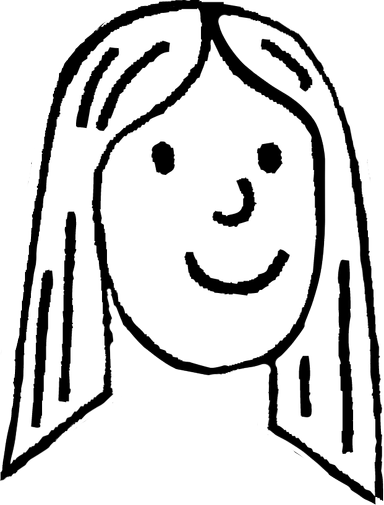
Laura: Gravity moves food through the digestive system.
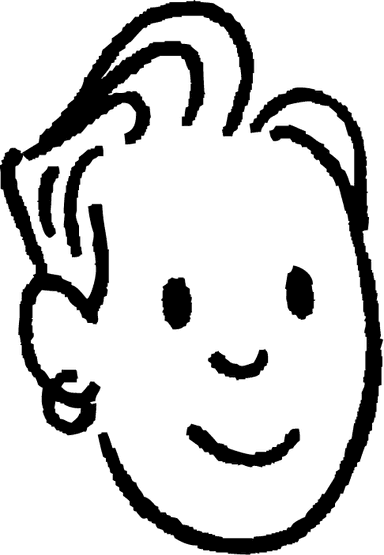
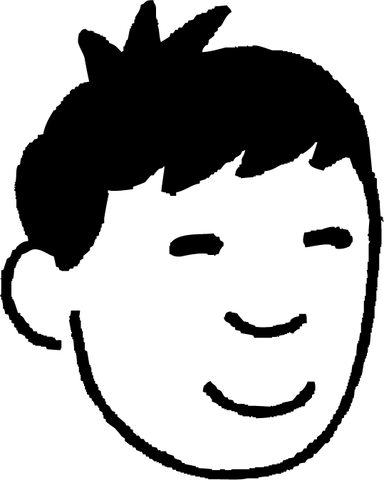
Jun: Vibrations of the body when walking move food through the digestive system.
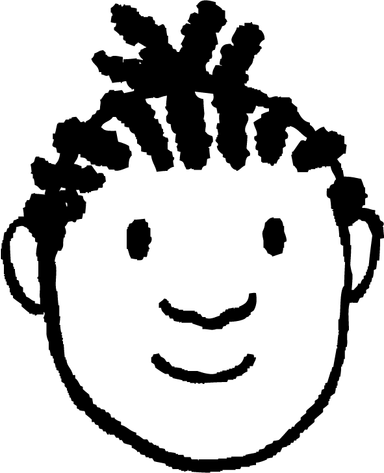
Jacob: Swallowing more food pushes the food through the digestive system.
