


New
New


Lesson 3 of 12
New
New
- Year 5
Observing the Moon
You can make and record observations of the Moon over time.
Lesson details
Key learning points
- The Moon is made mostly of rock. The surface has dark spots and thousands of holes called craters.
- The Moon is far away from the Earth, and can be observed more closely using telescopes and binoculars.
- A scientist who observes the night sky is called an astronomer.
- The shape of the moon appears to change throughout each month.
- Observations of the moon can be recorded in different ways.
Keywords
Moon - Our Moon is an object that travels around planet Earth.
Crater - A crater is a circular-shaped hole caused by impact in space.
Telescope - A telescope helps us to see much further into space.
Astronomer - An astronomer is a scientist who observes objects in space.
Observe - To observe is to look very closely and use other senses too.
Common misconception
Pupils often think that the Moon changes shape.
Provide opportunities for pupils to observe the Moon over time, and record observations, including how it appears to change shape.
The observations that pupils will make over the next 28 days will be required as evidence to help them to understand the movement of the moon relative to the Earth

Teacher tip

Equipment
Telescope or binoculars, Moon map are useful but not essential. See Worksheet for recording method

Content guidance
- Risk assessment required - equipment
- Exploration of objects

Supervision
Adult supervision required

Licence
This content is © Oak National Academy Limited (2026), licensed on Open Government Licence version 3.0 except where otherwise stated. See Oak's terms & conditions (Collection 2).
Lesson video
Loading...
Prior knowledge starter quiz
6 Questions
Q1.This object in space is called the .
This object in space is called the .


Q2.Which object would not be good to make a model of the Moon?
Which object would not be good to make a model of the Moon?
marble
ping-pong ball
Q3.When scientists investigate, they look at things very closely and use other senses to what is happening.
When scientists investigate, they look at things very closely and use other senses to what is happening.
Q4.Which object does not make things appear larger or closer to us?
Which object does not make things appear larger or closer to us?

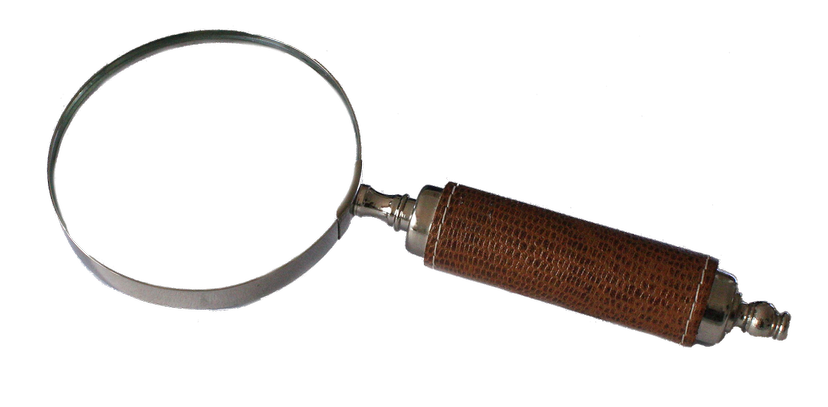
hand lens
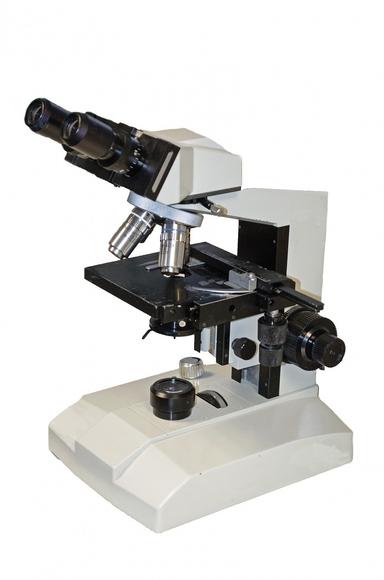
microscope
Q5.What is the name of this tool that we can use to observe objects in space?
What is the name of this tool that we can use to observe objects in space?

microscope
binoculars
Q6.When are we most likely to see the Moon?
When are we most likely to see the Moon?
All day every day
During the day
Assessment exit quiz
6 Questions
Q1.Which statement about the surface of the Moon is not true?
Which statement about the surface of the Moon is not true?
The surface of the Moon is rough and rocky.
The surface of the Moon is covered in holes.
The surface of the Moon has large darker areas.
Q2.Over many years, the Moon has been hit by space rocks, which have left behind circular holes called .
Over many years, the Moon has been hit by space rocks, which have left behind circular holes called .
Q3.What is the name of a scientist who observes and studies objects in space?
What is the name of a scientist who observes and studies objects in space?
Q4.We now have evidence from photos and videos about the surface of the Moon. Which statement below is not true?
We now have evidence from photos and videos about the surface of the Moon. Which statement below is not true?
Astronauts have taken photos and videos of the Moon whilst travelling in space.
Astronauts have taken photos and videos of the Moon when they have walked on it.
Q5.Why do we use binoculars and telescopes to look at the Moon?
Why do we use binoculars and telescopes to look at the Moon?
You can't see the Moon using just your eyes.
They make the Moon appear further away from Earth.
Q6.Which would not be a good way to record the changing shape of the Moon each night over one month?
Which would not be a good way to record the changing shape of the Moon each night over one month?
a drawing
a photograph
