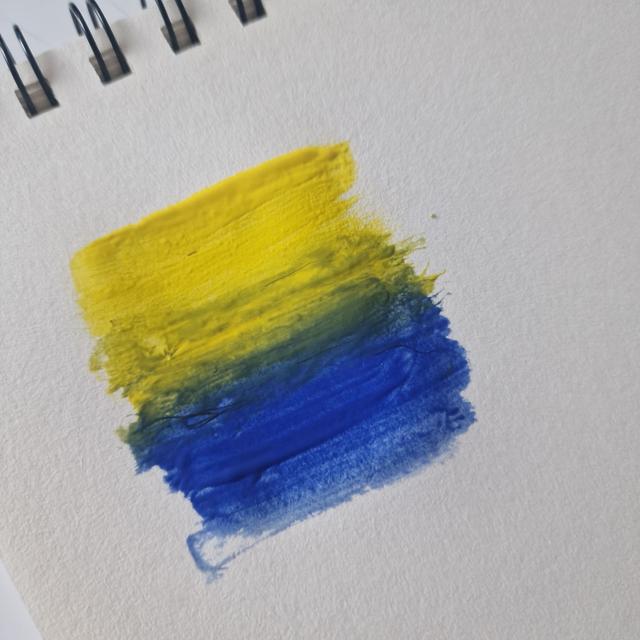
Paint a rainforest
I can sketch a rainforest composition and apply a range of painting techniques.


- Year 3
Paint a rainforest
I can sketch a rainforest composition and apply a range of painting techniques.
Lesson details
Key learning points
- Arranging features of a rainforest in the foreground, middle ground, and background creates a balanced composition
- Different painting techniques such as stippling, sponging and blending can create texture
- Practicing with different brush sizes (small, medium, large) creates varied effects
Keywords
Composition - how the images or elements are arranged within an artwork
Texture - how something feels or how something looks like it would feel
Sketch/sketching - making quick and simple drawings to show ideas or the things we see
Common misconception
Pupils might use the same brush size for the entire painting.
Demonstrate how larger brushes are best for covering big areas like the background, while smaller brushes are ideal for details like leaves, veins, or animal features. Provide examples of how different brush sizes create varied textures and effects.


Equipment
Paint, palettes, sponges and different sized brushes

Licence
Lesson video
Loading...
Prior knowledge starter quiz
6 Questions
Q1.Which of the following are primary colours?
Q2.A colour palette is the group of __________ you choose for your artwork.
Q3.Match the keywords to their definitions:

Q4.True or false: adding white to a colour is known as tinting.
Q5.True or false: adding blue or black to a colour is known as shading.
Q6.Jacob mixes equal parts red, yellow and blue. What colour does he make?
Assessment exit quiz
4 Questions
Q1.Composition refers to the __________ of the different elements in an artwork such as the shapes, objects or colours.
Q2.A composition consists of:
Q3.Which painting technique has been used here?
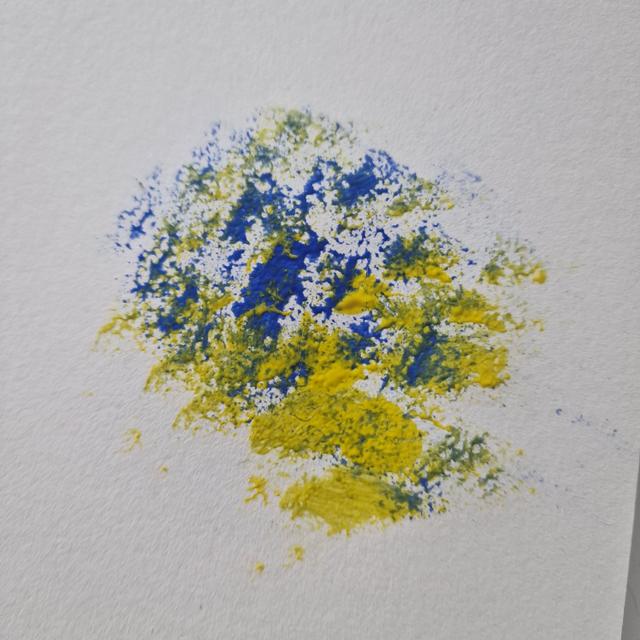
Q4.Which painting technique has been used here?