- Year 6
Plant adaptations
I can describe some adaptations in a range of plants.
Lesson details
Key learning points
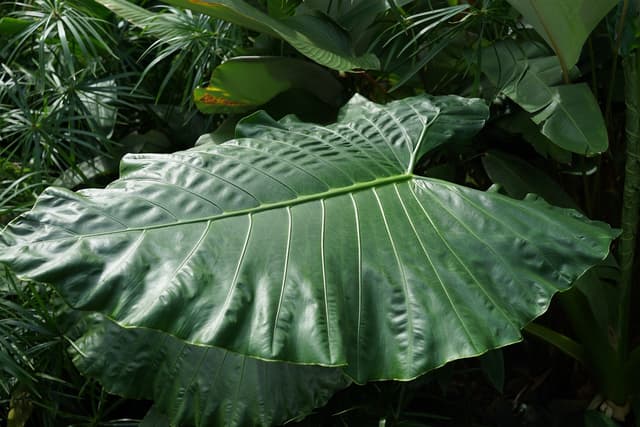
- Plants have special features, or adaptations, that help them to survive, live and grow in their habitats.
- Adaptations are passed from one generation of a species to another.
- Many plants have adaptations to help them successfully reproduce.
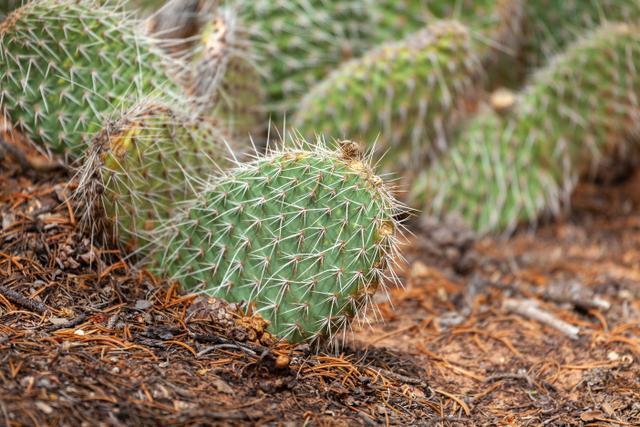
- Some plants have adaptations that protect them from being eaten.
Keywords
Adaptation - An adaptation is a feature of a plant or animal that helps them to survive in their habitat.
Survive - To survive means to continue to stay alive.
Habitat - The place where a plant or animal lives is called its habitat.
Environment - An environment is the surroundings or conditions that an animal or plant lives in.
Pollinator - A pollinator is an animal which pollinates a flowering plant.
Common misconception
Pupils may think that, while animals need to be well adapted to survive, plants do not and they simply grow where and how they can.
Use the examples in the slide deck to exemplify the various ways plants are adapted to survive in different environments, just like animals are.


Equipment
None required.

Licence
Lesson video
Loading...
Prior knowledge starter quiz
6 Questions
Q1.What is the function of leaves on a plant?
Q2.What is the function of flowers on a plant?
Q3.What is seed dispersal?
Q4.What are animal adaptations?
Q5.How do animals get their adaptations?
Q6.Order the stages of pollination in flowering plants.
Assessment exit quiz
6 Questions
Q1.What is the name for the special features that plants have that help them to survive and grow in their habitats?
Q2.Plant adaptations are …
Q3.Which of these adaptations would help to prevent a plant form being eaten?
Q4.Which of these adaptations would help a plant to be pollinated?
Q5.Match the plant adaptation to the habitat it is suited for.

Q6.Which of these plants has adaptations that would suit a rainforest floor habitat, where there is plenty of water but little sunlight?