


- Year 3
Pollination
I can explain how flowers are pollinated.
Lesson details
Key learning points
- Pollination is when pollen is transferred from an anther to the stigma of a flower.
- Pollinators are animals that pollinate plants by carrying pollen on their bodies when they take nectar from a flower.
- Flowers pollinated by animals are usually brightly coloured and have a pleasant smell.
- Pollen can also be transferred by the wind.
- Wind-pollinated flowers usually have small, dull coloured flowers and no smell.
Keywords
Anther - The anther is a part of the stamen that produces and holds pollen.
Pollen - Pollen is a very fine powder made by the anthers of a flower.
Stigma - The stigma is a sticky part at the top of the female parts of a flower.
Pollination - Pollination is when pollen from a male anther is transferred to the female stigma of a flower.
Pollinator - A pollinator is an animal that pollinates a flowering plant.
Common misconception
Pupils may think that bees and other pollinators pollinate flowers to help them out, rather than it being a by-product of them getting food from the flower.
Explain that pollinators visit flowers to get something for themselves (nectar and/or pollen), not to intentionally pollinate flowers.


Equipment
None required.

Licence
Lesson video
Loading...
Prior knowledge starter quiz
6 Questions
Q1.Which of these pictures shows a flower?

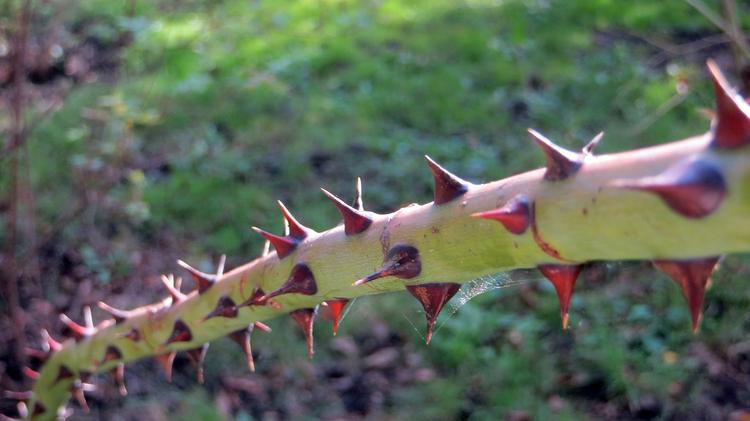
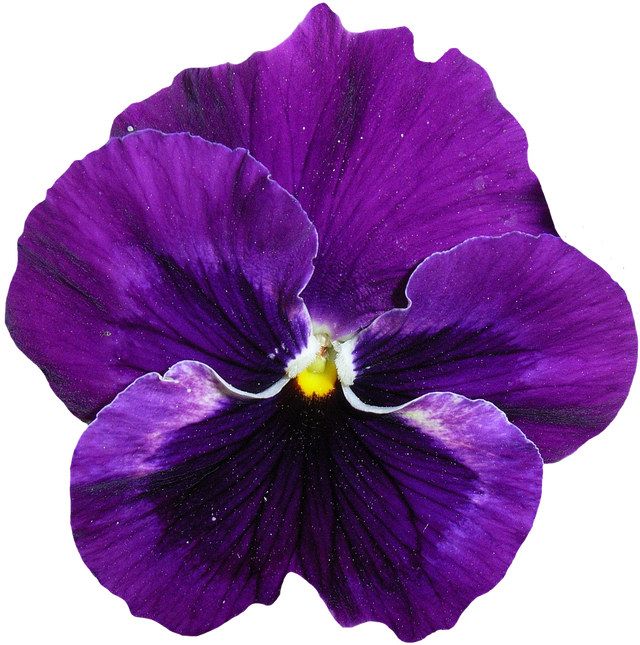
Q2.All living things reproduce. What does reproduce mean?
Q3.Which part of the plant allows it to reproduce (make more plants)?
Q4.What is the name of the female part of the plant that is often sticky?
Q5.Which male part of the flower holds pollen?
Q6.Match the part of the flower to the correct name.
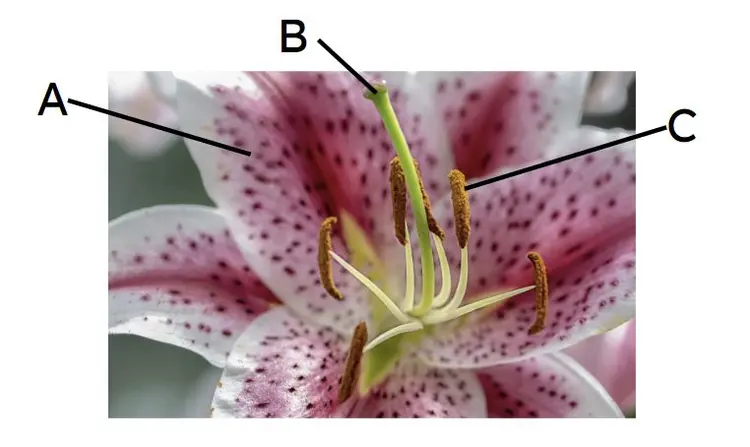

Assessment exit quiz
6 Questions
Q1.What is pollination?
Q2.How can pollen be transferred from the male anther to the female stigma of a flower?
Q3.Which of these plants is most likely to be pollinated by wind?


