- Year 10
- AQA
Pressure in a fluid
I can explain the causes of pressure in a fluid.
Lesson details
Key learning points
- The particles in liquids and gases move very quickly and randomly in every direction; they are both fluids.
- Particles in liquids are very close together; the gaps between particles in gases are much larger than the particles.
- The pressure at any point in a fluid is the same size in every direction.
- The particles in a fluid exert pressure on a surface by colliding with it.
- Pressure is calculated using the equation: pressure = force ÷ surface area.
Keywords
Atom - the building block of matter; even small pieces of matter have trillions of atoms
Particle - a term used to describe atoms or molecules which make up matter
Fluid - a liquid or a gas; fluids can flow as the particles can move around each other
Pressure - caused by a force acting over an area on a surface; it can be calculated using: pressure = force ÷ area
Common misconception
The pressure at a particular depth depends on the shape of the container the liquid is in.
Demonstrate different shaped containers with the same depth of water in each and an identical shaped hole 1 cm above the base of each. Identical sized jets of water should shoot out of each hole as the pressure at each hole is (initially) the same.


Equipment

Licence
Lesson video
Loading...
Prior knowledge starter quiz
6 Questions
Q1.Which of the following words means ‘apply force to make something smaller’?

Q2.Which of the following types of motion can be described as a vibration?
Q3.The three states of matter are liquid, solid and .
Q4.Which of the following statements about atoms is correct?
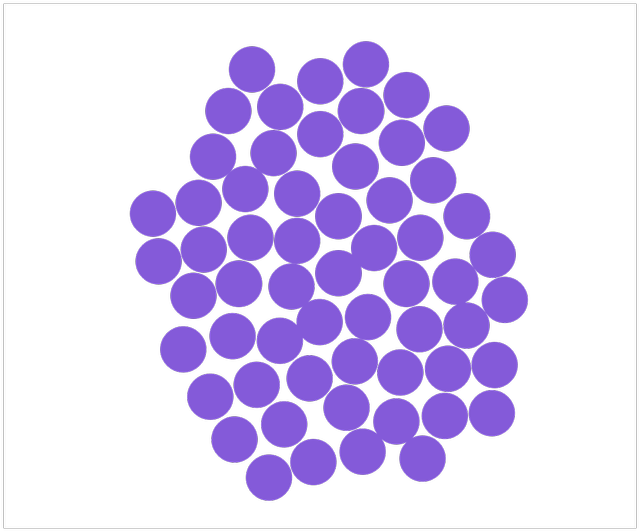
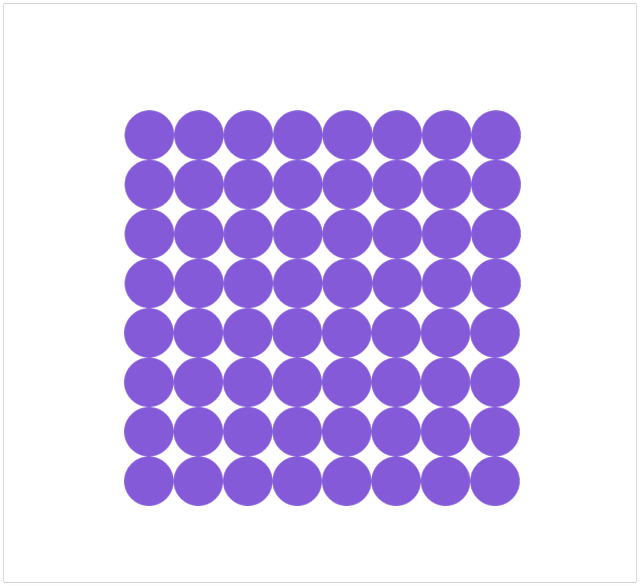
Q5.Which of the following diagrams accurately represents the arrangement of the particles in a liquid?

Q6.Which of the following describe the weight of an object?
Assessment exit quiz
6 Questions
Q1.Which of the following statements about particles are correct?
Q2.Which of the following statements about fluids are correct?
Q3.Which of the following statements explains why it is difficult to compress a liquid?
Q4.Which of the following statements explains why all fluids exert pressure?
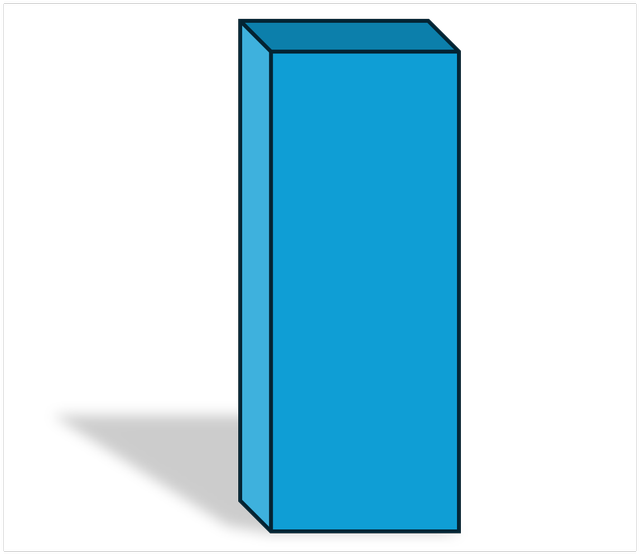
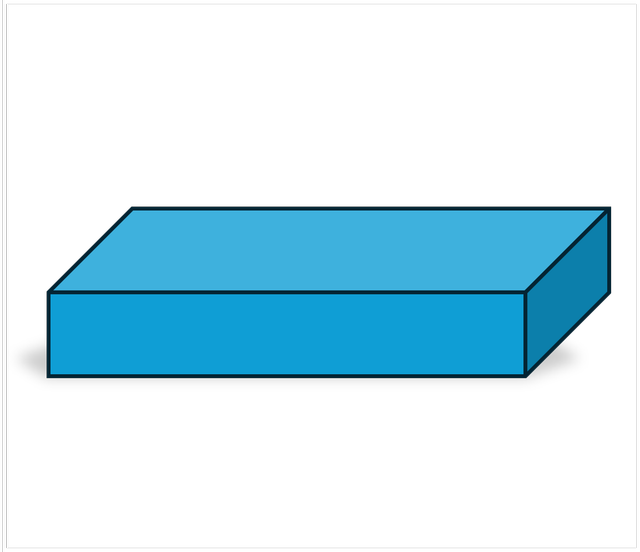
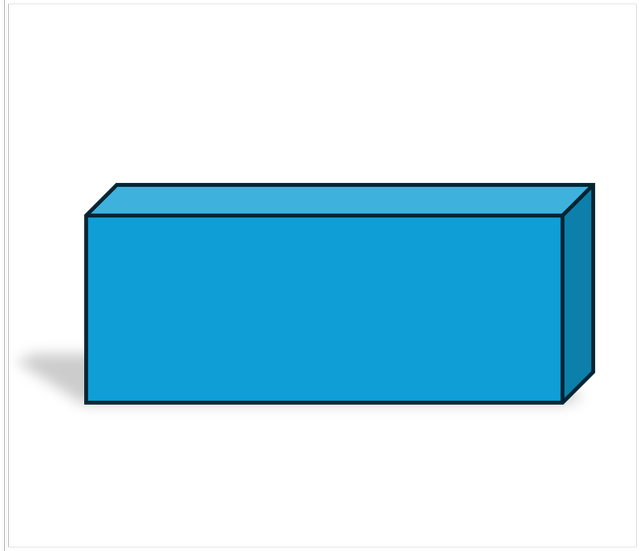
Q5.The following diagrams all show the same solid cuboid, resting on a table in different positions. In which diagram does the block exert the greatest pressure on the table?