


- Year 3
Protecting our eyes from the Sun: plan
I can plan how to investigate sun protection.


Lesson details
Key learning points
- The Sun provides heat and light and is necessary for living things to survive on Earth.
- Too much ultra violet (UV) light from the Sun can be dangerous.
- There are ways to protect our eyes from the Sun.
- It is not safe to look directly at the Sun, even when wearing sunglasses.
- Scientists ask questions and plan different types of enquiries.
Keywords
Sun - The Sun is a star and is at the centre of our solar system.
Protect - To protect something is to keep it safe from harm.
Damage - When something is spoiled or harmed, it is damaged. If you damage something, it will not work well and may be broken.
Ultraviolet (UV) - Ultraviolet is a type of light produced by the Sun that human eyes cannot see. It can harm a human's skin.
Plan - A plan is a method that maps out the steps that will be taken during an investigation.
Common misconception
It is safe to look at the Sun on a cloudy day or when wearing sunglasses.
Clear explanation that pupils should never look at the Sun, even if wearing sunglasses or if the weather is cloudy.


Equipment
An assortment of different sun creams with different SPFs.

Licence
Lesson video
Loading...
Prior knowledge starter quiz
6 Questions
Q1.True or false? A light source produces and gives out sound.


Q2.Which of these is a light source?
Q3.Which of these statements is true?
Q4.Which of these is a natural light source?
Q5.What is our main natural light source?
Q6.Which of these is not a light source?
Assessment exit quiz
6 Questions
Q1.Which statement is true?
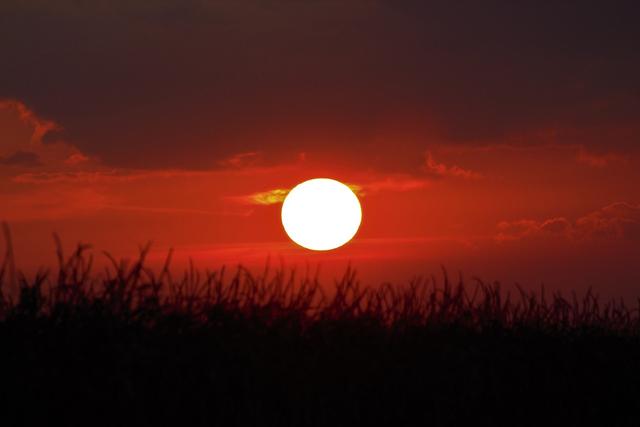
Q2.Ultraviolet (UV) light can be dangerous. Where does it come from?
Q3.Which of these can protect our eyes from UV light?


Q4.What does protect mean?

Q5.When is it safe to look at the Sun?

Q6.How can Alex find out which sunglasses will provide the best protection from UV light?

