


- Year 5
Reversible changes of state
I know that changes of state are reversible changes.
Lesson details
Key learning points
- The three states of matter are: solid state, liquid state and gas state.
- A change of state is when one state of matter changes to another.
- Changes of state are reversible changes whereby the material that has been changed can return to its original state.
- Melting, freezing, evaporation and condensation are examples of reversible changes of state.
Keywords
State - The three common states of matter are solid state, liquid state and gas state.
Substance - A substance is the material that something is made up of.
Change of state - A change of state is when a material changes from one state of matter to a different state.
Reversible - If a change is reversible, it can be undone or changed back.
Common misconception
Children often think that ice, water and steam are three different substances and not water in different states, and that changes in state are not reversible processes.
Teaching slides will reinforce that ice (solid state), water (liquid state), and water vapour (gas state) are all water and show which processes can be used to reverse state changes. This will be further explored and embedded during practice tasks.


Equipment
See additional materials.

Content guidance
- Risk assessment required - equipment
- Exploration of objects

Supervision
Adult supervision required

Licence
Lesson video
Loading...
Prior knowledge starter quiz
6 Questions
Q1.Which of these is not the name of a state of matter?
Q2.Which process occurs when water in the liquid state changes to water vapour in the gas state?
Q3.Match the process to the purpose.

Q4.What happens when you stir a teaspoon of sugar in water?
Q5.When sugar is dissolved in water, a sugar is made.
Q6.An substance will not dissolve in a liquid.
Assessment exit quiz
6 Questions
Q1.Three common states of are solid state, liquid state and gas state.
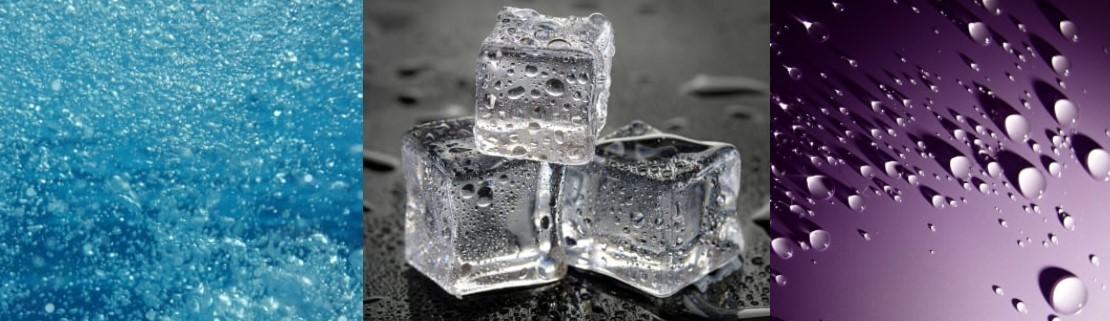
Q2.What is it called when one state of matter becomes another state of matter.
Q3.Changes of state are .
Q4.Match the type of change to the description.
Q5.Which of these are examples of reversible changes of state?
Q6.Match the change of state to the reverse process.
