


Solutions
I can explain how solutions are formed and how to use state symbols in equations.


- Year 10
- AQA
Solutions
I can explain how solutions are formed and how to use state symbols in equations.
Lesson details
Key learning points
- A solution is a type of mixture made of a solvent and a solute.
- Solutions form due to a solute dissolving in the solvent.
- Solubility is a measure of how well a chemical dissolves (soluble/insoluble).
- Many substances can act as a solvent; however, water is the most common.
- State symbols are used to identify the three states of matter and aqueous solutions in chemical equations.
Keywords
Solute - A solute is a substance that has dissolved into a solvent.
Solvent - A solvent is a liquid into which a solute dissolves.
Soluble - When a substance dissolves in a solvent, it is described as soluble in that solvent.
Insoluble - A substance that does not dissolve in a particular solvent is described as insoluble.
State symbol - A state symbol is used in chemical equations to indicate the physical state of a substance.
Common misconception
Some think that because a solute can no longer be seen, or that a solvent becomes coloured when a solute dissolves, that the creation of a solution is a chemical change.
Create a salt solution, then evaporate the water (leaving salt crystals) to demonstrate that the salt and water have not chemically combined and therefore dissolving (to create a solution) is a physical change.


Licence
Lesson video
Loading...
Prior knowledge starter quiz
6 Questions
Q1.Which picture shows an insoluble substance?
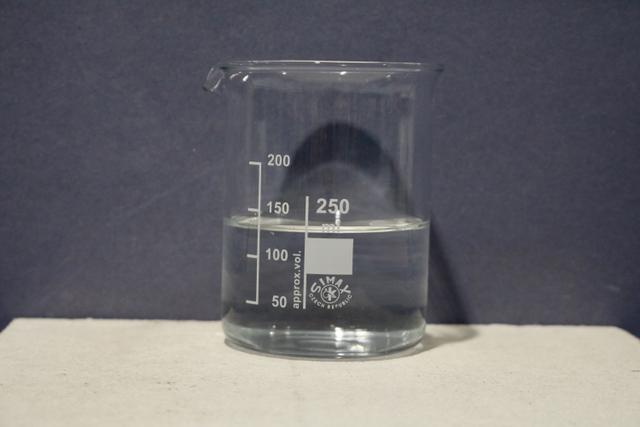

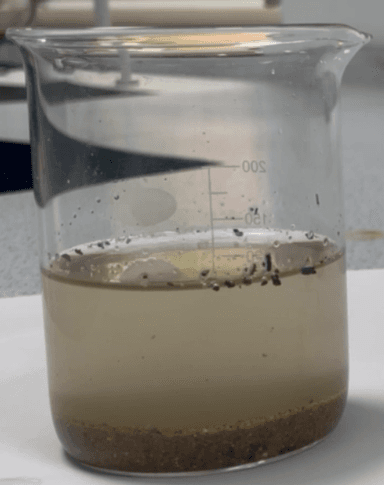
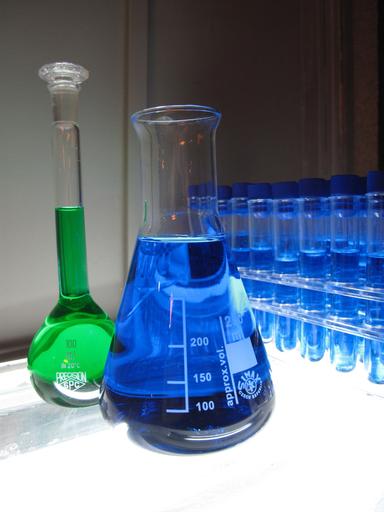
Q2.Mass is measured in ...
Q3.Sugar dissolves in water, so sugar can be described as a solid.
Q4.A is a material formed from two or more substances which can be physically separated.
Q5.Some students have been asked to describe this diagram using key terms. Who has used their key words correctly?





Q6.Melting is a reversible, physical change. Which of the following statements is also true about melting?
Assessment exit quiz
6 Questions
Q1.What happens when a solute dissolves in a solvent?
Q2.What is a solvent in a solution?
Q3.Which term describes a substance that does not dissolve in a solvent?
Q4.Match the state symbol to its meaning.

