Temperature and evaporation: do and review
I can investigate how temperature affects the rate of evaporation.


- Year 4
Temperature and evaporation: do and review
I can investigate how temperature affects the rate of evaporation.
Lesson details
Key learning points
- Scientists make careful observations and measurements, using a range of equipment.
- The results of an investigation can be recorded in different ways.
- Scientists use data they have collected to answer questions.
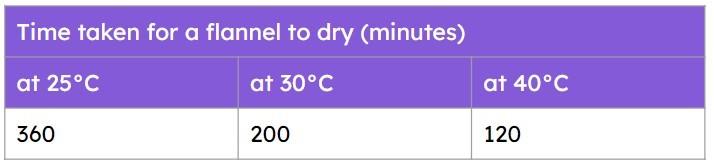
- Although water can evaporate at low temperatures, the speed of evaporation increases as the temperature increases.
Keywords
Evaporation - Evaporation is the change in state from a liquid to a gas.
Temperature - Temperature is a measure of how hot something is.
Variables - Variables are the things that can be changed, measured or kept the same in a comparative or fair test.
Conclusion - In a conclusion, scientists explain what the results show or mean.
Common misconception
Children may believe that water cannot exist in a gas state because they cannot see it. They may also think that evaporation only occurs at high temperatures.
Teaching slides explain the existence of water vapour, even though it is invisible. By investigation, children observe and measure that evaporation occurs at all temperatures.


Equipment
flannels and a spray bottle or shallow dishes, a thermometer, weighing scales

Content guidance
- Risk assessment required - equipment

Supervision
Adult supervision required

Licence
Lesson video
Loading...
Prior knowledge starter quiz
6 Questions
Q1.In which state does water take the shape of the bottom of its container?
Q2.In which state does water have a fixed shape except when a force is applied to it?
Q3.Put the forms of water in order, from the one which would occur at the lowest temperature, to the one which would occur at the highest temperature.
Q4. are the things that can be changed, measured or kept the same in a comparative or fair test.
Q5.How many variables should you keep the same in or control in a comparative or fair test?
Q6. is the change in state from a liquid to a gas.
Assessment exit quiz
6 Questions
Q1.Scientists use a range of equipment to make careful __________.
Q2.Which of these diagrams shows evaporation?
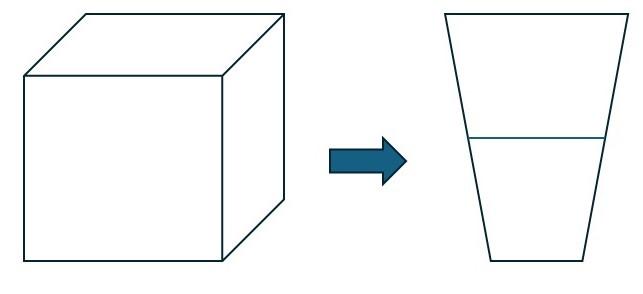
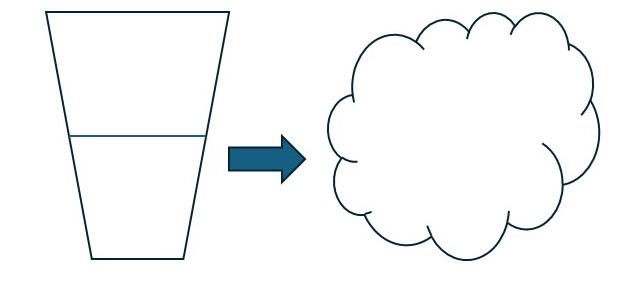
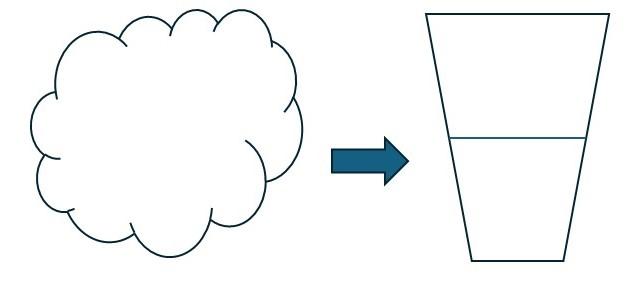
Q3.Match the equipment to the measurement you would make with it.

Q4.Why do scientists collect data?
Q5.How does the speed of evaporation change as temperature increases?
Q6.Which of these conclusions do these data support?