


The human skeleton: protection
I can describe how our bones provide protection, with some examples.


- Year 3
The human skeleton: protection
I can describe how our bones provide protection, with some examples.
Lesson details
Key learning points
- The bones of the human skeleton are solid, strong and are various shapes with different functions.
- The skull protects the brain.
- The rib cage protects organs such as the heart and lungs.
- The spine protects the spinal cord.
- Despite being strong and solid, anyone can break a bone.
Keywords
Protection - The hard bones of the skeleton provide protection for the organs and keep them safe from injury.
Organs - Organs are parts of the body that do a particular job, such as the brain, heart and lungs.
Skull - The skull is the name for the bones of the head.
Rib cage - The rib cage are bones that protect your organs and attach to the spine.
Spine - The backbone of vertebrate animals is called a spine.
Common misconception
Children may think that bones are unbreakable.
Show children X-rays of broken bones and give them examples of where we wear extra protection to protect our bones.


Equipment
See additional guidance.

Content guidance
- Depiction or discussion of sensitive content
- Risk assessment required - equipment
- Exploration of objects

Supervision
Adult supervision required

Licence
Lesson video
Loading...
Prior knowledge starter quiz
6 Questions
Q1.What structure inside your body supports your body from falling over?
Q2.What is a human skeleton made from and why?
Q3.What is this type of image called?
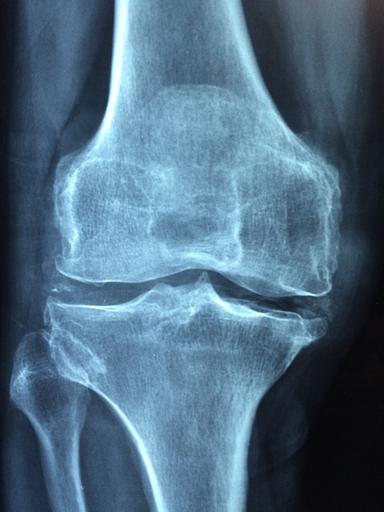
Q4.Which statement about bones is true?
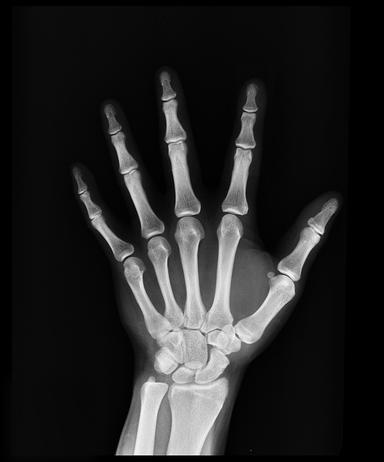
Q5.This person has had an accident. Look at the X-ray, what can you see?
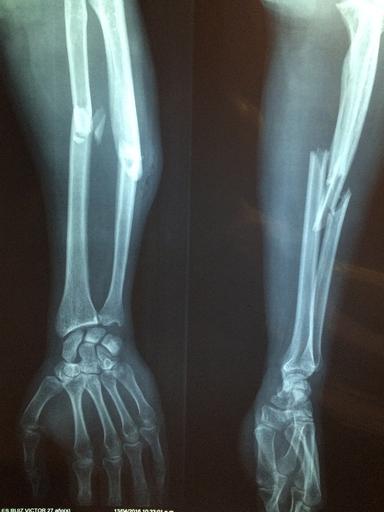
Q6.Match these materials to their properties.

Assessment exit quiz
6 Questions
Q1.What is a human skeleton made from?
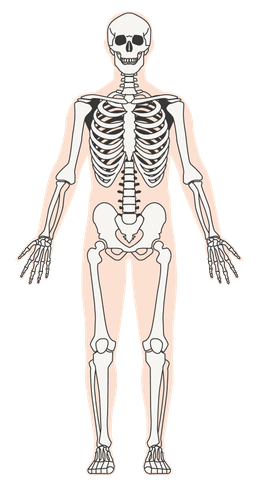
Q2.Our bones are strong, solid and hard so they can organs in the human body.
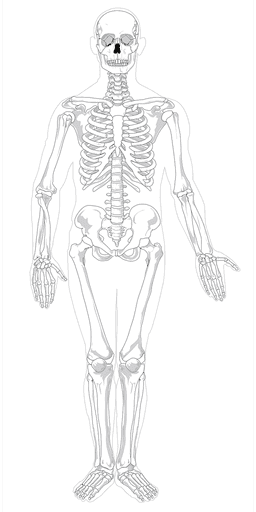
Q3.Which statement about bones is true?
Q4.Which two organs does the rib cage protect?
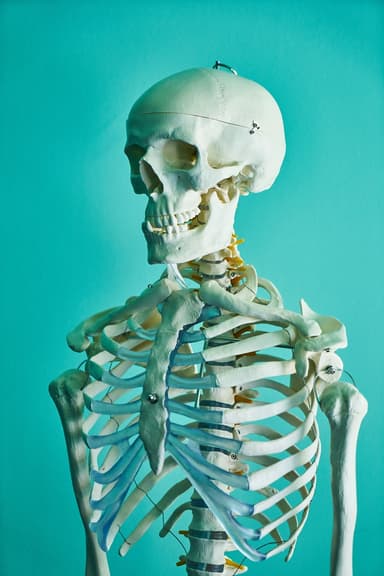
Q5.Match the bone with the organ it protects.
