


The movement of the planets around the Sun
I can describe the movement of the planets in the solar system in relation to the Sun.


- Year 5
The movement of the planets around the Sun
I can describe the movement of the planets in the solar system in relation to the Sun.
Lesson details
Key learning points
- The Sun is the centre of the solar system
- Earth, and other planets in the solar system, move around or orbit the Sun in an anticlockwise direction
- It takes different planets different amounts of time to orbit the Sun, depending on their distance from the Sun
- It takes 365 1/4 days, or one year, for Earth to complete one orbit of the Sun
Keywords
Solar system - The solar system is the name for our Sun and the planets that orbit it.
Sun - The Sun is a star and the centre of our solar system.
Planets - Planets are large objects made of rock or gas that orbit a star.
Orbit - Orbit is when something travels around a star, planet or moon.
Common misconception
Earth lies at the centre of the solar system, with the Sun and planets orbiting around it.
Provide opportunities for the children to explore both diagrams and 3D models of the solar system which clearly show the Sun and planets.


Equipment
Selection of balls, chalk, stopwatches (optional)

Content guidance
- Risk assessment required - physical activity

Supervision
Adult supervision required

Licence
Lesson video
Loading...
Prior knowledge starter quiz
6 Questions
Q1.Which of these is a planet?
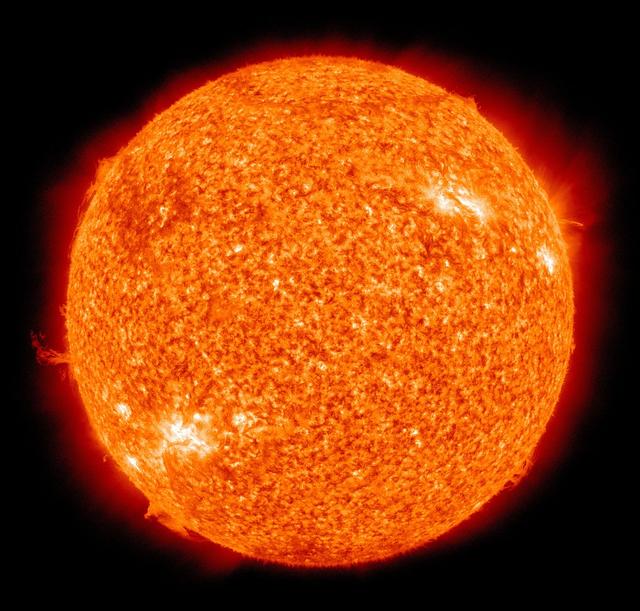
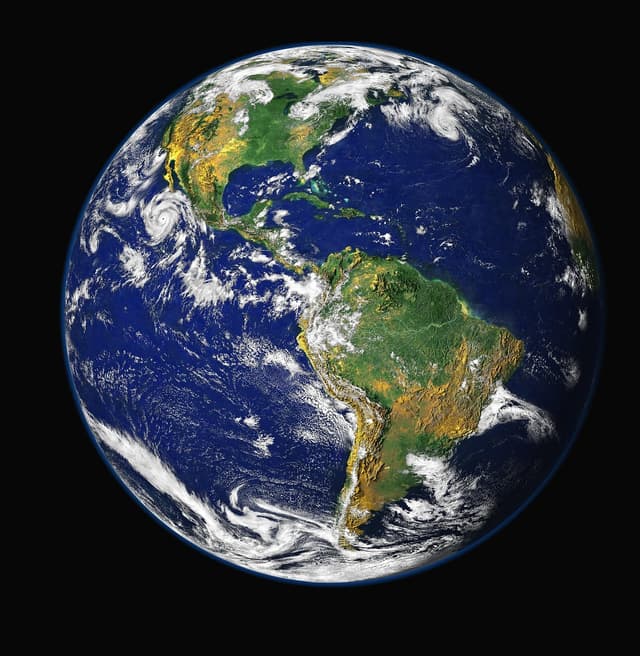
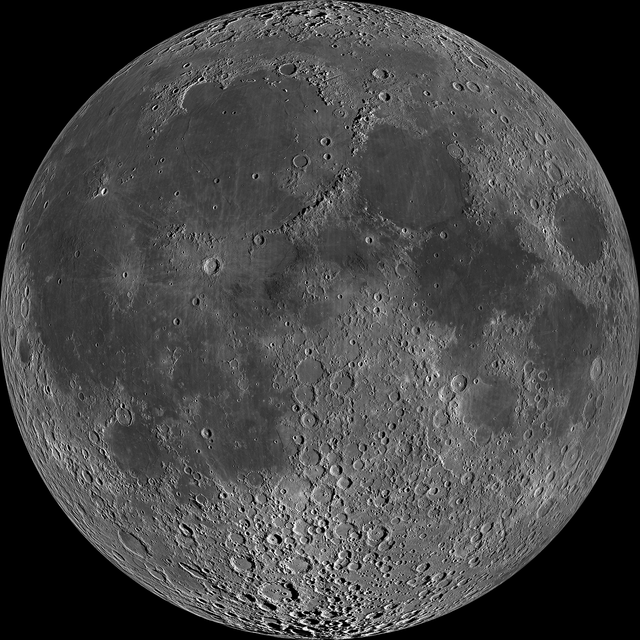
Q2.Match the movement to the correct description.

Q3.Starting with the smallest, put these objects in space in order of size.
Q4.Earth, Mars, Saturn, Jupiter and Venus are all examples of .
Q5.One Earth day is hours.
Q6.Which of these explains why the Sun appears to move across the sky each day?
Assessment exit quiz
6 Questions
Q1.Our Sun and the planets orbiting around it is called the system.
Q2.What is at the centre of our solar system?


