New
New
The vowels: [a] [e] [i] [o] [u]: classroom instructions
Learning outcomes
I can recognise and understand instructions in the classroom.
I can read aloud short sentences with the vowel sounds.


Lesson 1 of 2
New
New
- Year 4
The vowels: [a] [e] [i] [o] [u]: classroom instructions
Learning outcomes
I can recognise and understand instructions in the classroom.
I can read aloud short sentences with the vowel sounds.


Lesson details
Vocabulary and transcripts for this lessons
Key learning points
- The vowels [a] [e] [i] [o] [u] are pronounced differently in Spanish and in English.
- When you know the sound-symbol correspondences (SSCs) you can read aloud words and short sentences correctly.
- Knowledge of Spanish sound-spelling correspondences can be strengthed by joining in with a song.
- Spanish verbs escuchar, escribir, leer and hablar are useful words to use in the classroom.
- Common instructions in Spanish lessons include escucha (listen), escribe (write), lee (read) and habla (speak).
Keywords
Vowels - letters [a] [e] [i] [o] [u]
SSC - sound-symbol correspondence is the relationship between letters and their sounds
Verb - a word that communicates actions or states
Common misconception
Vowels sound the same in Spanish and English.
Although the letters look the same, the vowel sounds are different in Spanish and English.
Use the song regularly in class as a way to encourage participtation and motivation. The song will also help commit language to memory and to help tune in to the sounds of the language.

Teacher tip

Equipment

Licence
This content is © Oak National Academy Limited (2026), licensed on Open Government Licence version 3.0 except where otherwise stated. See Oak's terms & conditions (Collection 2).
Lesson video
Loading...
Some of our videos, including non-English language videos, do not have captions.
Prior knowledge starter quiz
6 Questions
Q1.In the alphabet there are two sets of letters - what are they called?
In the alphabet there are two sets of letters - what are they called?
vowels and continents
hard sounds and soft sounds
long sounds and short sounds
Q2.Which Spanish word contains all of the vowels?
Which Spanish word contains all of the vowels?
alto
abuela
universo
ardilla
Q3.Which is the correct definition of a verb?
Which is the correct definition of a verb?
a word that describes a noun
a word that shows the subject of a sentence
Q4.'Hablo en clase con un amigo.' What does this sentence mean?
'Hablo en clase con un amigo.' What does this sentence mean?
I speak in class with a partner.
She speaks in class with a friend.
Speaking in class with a friend.
She speaks in class with a partner.
Q5.Match the English and the Spanish.
Match the English and the Spanish.

Q6.Write the five vowels in alphabetical order.
Write the five vowels in alphabetical order.
Assessment exit quiz
6 Questions
Q1.Which vowels are missing from the sequence 'a, i, u'? Write them in alphabetical order.
Which vowels are missing from the sequence 'a, i, u'? Write them in alphabetical order.
Q2.Which SSC is missing from these words? _l_fant_; _l_gant_; univ_rso; prim_ro.
Which SSC is missing from these words? _l_fant_; _l_gant_; univ_rso; prim_ro.
a
i
o
u
Q3.What is the third line missing from this verse? 'Hablo en clase, hablo en clase, hablar es .'
What is the third line missing from this verse? 'Hablo en clase, hablo en clase, hablar es .'
Q4.Match the English and the Spanish.
Match the English and the Spanish.
Q5.Which verb is this?
Which verb is this?
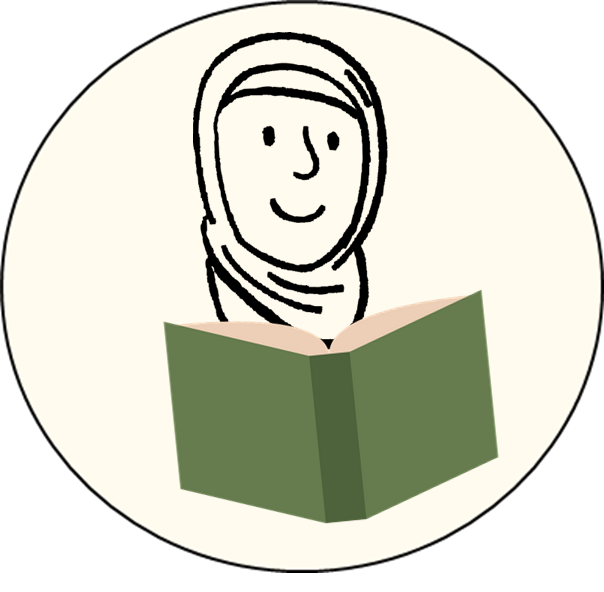
escuchar
escribir
hablar
Q6.Write the instruction form of this verb in Spanish.
Write the instruction form of this verb in Spanish.