Thermal insulators: do and review
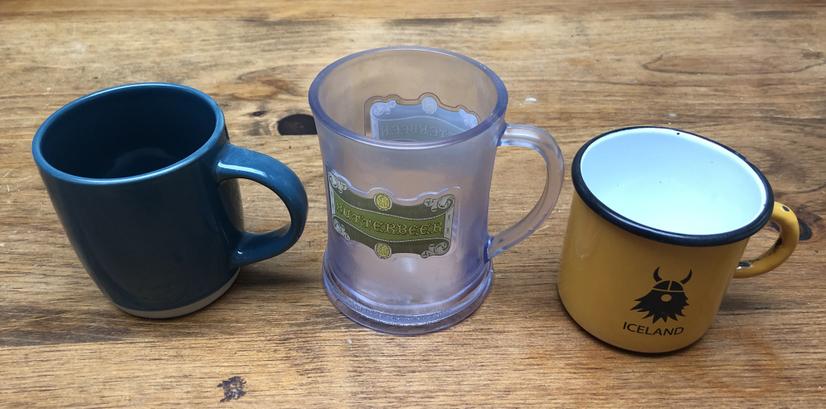
I can carry out a comparative test and explain which cup is most suitable for keeping warm water warm.


- Year 5
Thermal insulators: do and review
I can carry out a comparative test and explain which cup is most suitable for keeping warm water warm.
Lesson details
Key learning points
- Scientists carry out different types of enquiries to answer questions.
- Scientists take accurate measurements using a range of scientific equipment.
- The findings from an investigation can be summarised into a conclusion.
Keywords
Thermal insulator - A thermal insulator is a material that does not allow heat to pass through it easily.
Comparative test - In a comparative test, the variable that is being changed has name or labels, such as the names of plants.
Results - The result of a test or enquiry is what happened or what was found out.
Conclusion - In a conclusion, scientists explain what the results show or mean.
Common misconception
When interpreting results, pupils may think that the greatest loss of heat has occurred in the cup which has the lowest temperature at the end.
Pupils will be taught they need to consider the change in temperature rather than just using the lowest end temperature to find which cup has led to the greatest heat loss.


Equipment
Pupils' plans created in the previous lesson, thermometers, cups made from a range of materials, warm water, measuring jug, timers, rulers.

Content guidance
- Risk assessment required - equipment

Supervision
Adult supervision required

Licence
Lesson video
Loading...
Prior knowledge starter quiz
6 Questions
Q1.This base layer vest is an example of a insulator.
Q2.What is a thermal insulator?
Q3.Which of these is not a physical property of a material?
Q4.In which part of an investigation would you explain what you think is going to happen?
Q5.What does the conclusion of an investigation tell us?
Q6.Match the type of investigation to the activity.

Assessment exit quiz
6 Questions
Q1.A thermal insulator does not allow __________ to pass through easily.
Q2.Which of these jobs involves carrying out different types of enquiries to answer questions?
Q3.In which part of an investigation would you summarise and explain your findings?
Q4.Match the equipment to what it can be used to measure accurately.
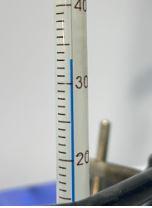
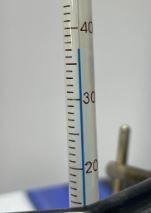
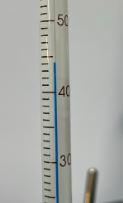
Q5.Read the measurements on these thermometers accurately. Which thermometer shows a temperature of 44°C?
Q6.Which of these statements show the conclusion from an investigation?