


New
New
Understand that the perimeter of a regular polygon can be calculated by multiplication
I can calculate the perimeter of a regular polygon using multiplication.


Lesson 8 of 10
New
New
- Year 4
Understand that the perimeter of a regular polygon can be calculated by multiplication
I can calculate the perimeter of a regular polygon using multiplication.
Lesson details
Key learning points
- If you know the length of one side of a regular polygon you can calculate the perimeter.
- Multiply the side length by the number of sides of the regular polygon to calculate the perimeter.
Keywords
Perimeter - The distance around a two-dimensional shape.
Regular - A regular polygon has all sides equal and all angles equal.
Common misconception
Pupils may overgeneralise and assume all perimeters can be calculated by multiplying one side length by the number of sides in the polygon.
'Noticing' is a key mathematical skill. Encourage pupils to take their time to notice whether the shape is regular or irregular, if that information is not already explicitly given.
Pupils will revisit multiplication tables learned in Years 2 and 3 within this lesson. Fluent recall will allow for pupils to focus on the concept. Consider providing multiplication grids for pupils who are less confident.

Teacher tip

Licence
This content is © Oak National Academy Limited (2026), licensed on Open Government Licence version 3.0 except where otherwise stated. See Oak's terms & conditions (Collection 2).
Lesson video
Loading...
Prior knowledge starter quiz
6 Questions
Q1.Which of these describe this shape?
Which of these describe this shape?
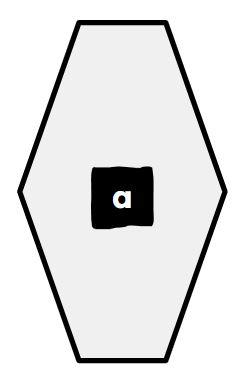
regular polygon
not a polygon
Q2.What is the perimeter of this rectangle?
What is the perimeter of this rectangle?
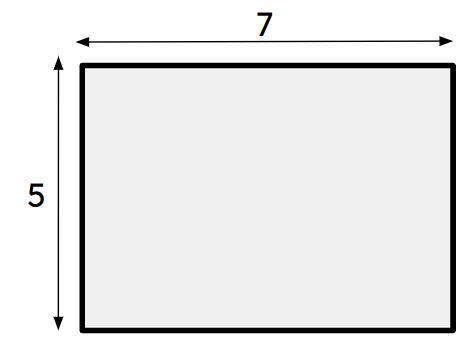
12 units
17 units
Q3.Select all of the regular polygons.
Select all of the regular polygons.
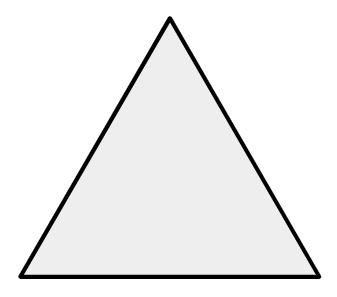
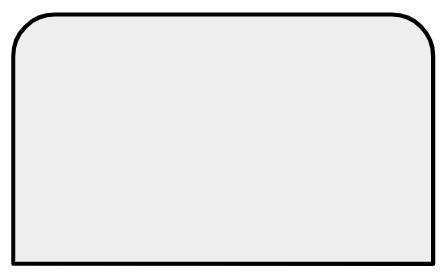
b
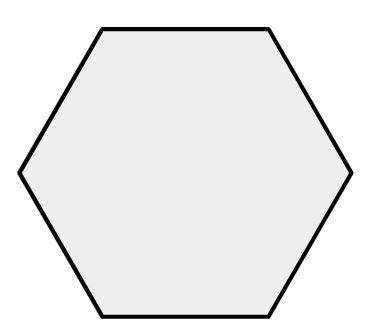
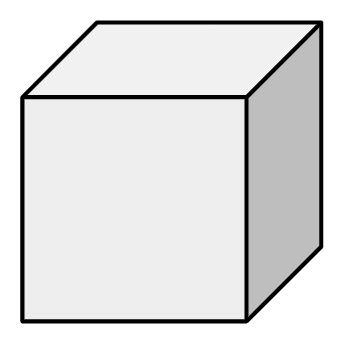
d
Q4.Select all of the squares.
Select all of the squares.
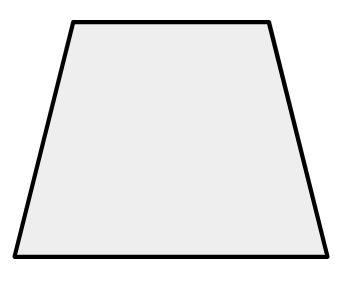
a
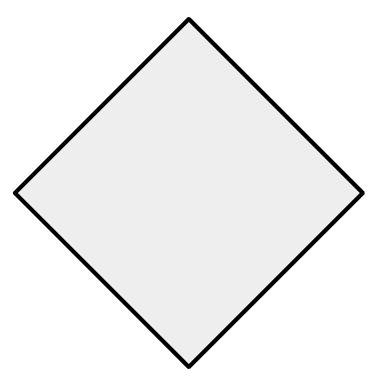


d
Q5.Which of these red lines shows the perimeter of the triangle?
Which of these red lines shows the perimeter of the triangle?
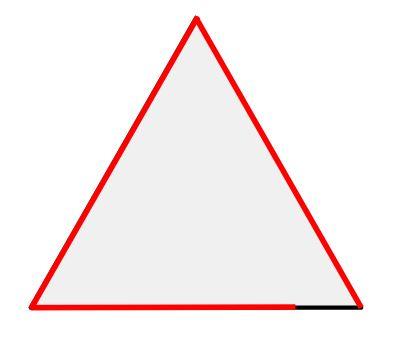
a
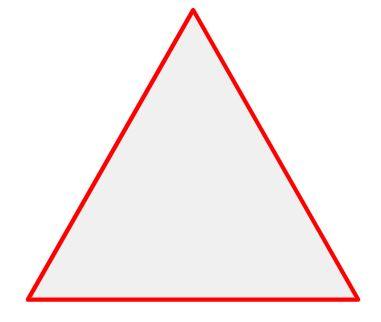
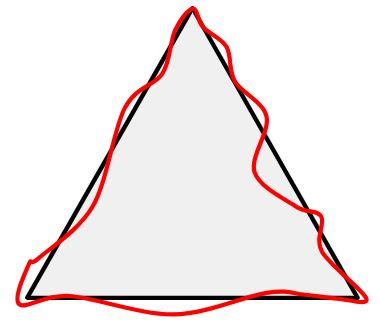
c
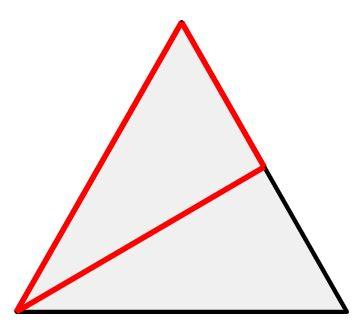
d
Q6.Match the shape to the correct number of sides.
Match the shape to the correct number of sides.

Assessment exit quiz
6 Questions
Q1.What is the perimeter of a square with a side length of 4 cm? cm.
What is the perimeter of a square with a side length of 4 cm? cm.
Q2.What is the perimeter of a regular triangle with a side length of 4 cm? cm.
What is the perimeter of a regular triangle with a side length of 4 cm? cm.
Q3.What is the perimeter of a regular pentagon with a side length of 4 cm? cm.
What is the perimeter of a regular pentagon with a side length of 4 cm? cm.
Q4.What is the perimeter of a regular octagon with a side length of 4 cm? cm.
What is the perimeter of a regular octagon with a side length of 4 cm? cm.
Q5.Order these shapes from smallest perimeter to longest.
Order these shapes from smallest perimeter to longest.
Q6.Which of these shapes will have the same perimeter as each other?
Which of these shapes will have the same perimeter as each other?
A square with a side length of 4 cm
A regular pentagon with a side length of 3 cm
