Choose exam board for KS4 Computer Science (GCSE)
Choose exam board for KS4 English
Choose exam board for KS4 French
Choose exam board for KS4 Geography
Choose exam board for KS4 German
Choose exam board for KS4 History
Choose tier for KS4 Maths
Choose exam board for KS4 Music
Choose exam board for KS4 Physical education (GCSE)
Choose exam board for KS4 Religious education (GCSE)
Choose exam board for KS4 Spanish
      New
      New

      Understanding time scales

      I can describe key events in the history of Earth and distinguish between billions, millions and thousands of years ago.

      Lesson 2 of 8
      New
      New
      • Year 9

      Understanding time scales

      I can describe key events in the history of Earth and distinguish between billions, millions and thousands of years ago.

      Lesson details

      Key learning points

      1. Evidence suggests Earth was formed 4.5 billion years ago (one billion is one thousand million).
      2. Evidence suggests the first living organisms (microorganisms) appeared around 3.8 billion years ago.
      3. The oldest fossils are around 3.5 billion years old, and the newest fossils are around 10 thousand years old.
      4. Evidence suggests the first land plants appeared 500mya, the first mammals 200mya, and modern humans 350k years ago.
      5. Scientists divide Earth’s history into eons, periods and epochs to make it easier to understand.

      Keywords

      • Billion - One billion is one thousand million (1 000 000 000).

      • Thousand - One thousand (1000) is equal to 10 × 10 × 10.

      • Million - One million is one thousand thousand (1 000 000).

      • Evolution - The characteristics of species gradually change over time, sometimes forming new species. This process is called evolution.

      • Extinction - Extinction is the permanent loss of a species.

      Common misconception

      Students struggle to comprehend absolute ages of key events in the history of Earth and evolutionary history.

      This lesson provides many examples and context to give students a sense of the differences in time scales involved in the history of Earth and evolution.

      Consider completing Task B (Year of Earth) on the playground or along the length of the classroom to give students a more tangible sense of the proportion of time modern humans have been on the planet. Students could be asked to sort the events into order first, then to estimate where they go.
      Teacher tip

      Equipment

      Content guidance

      • Depiction or discussion of sensitive content

      Supervision

      Adult supervision recommended

      Licence

      This content is © Oak National Academy Limited (2026), licensed on Open Government Licence version 3.0 except where otherwise stated. See Oak's terms & conditions (Collection 2).

      Lesson video

      Loading...

      Prior knowledge starter quiz

      6 Questions

      Q1.
      What name is given to the number 1000?

      one hundred
      Correct answer: one thousand
      one million
      one billion

      Q2.
      Which of the numbers below represents one million?

      1000
      10 000
      100 000
      Correct answer: 1 000 000

      Q3.
      What is the name of the planet upon which we all live?
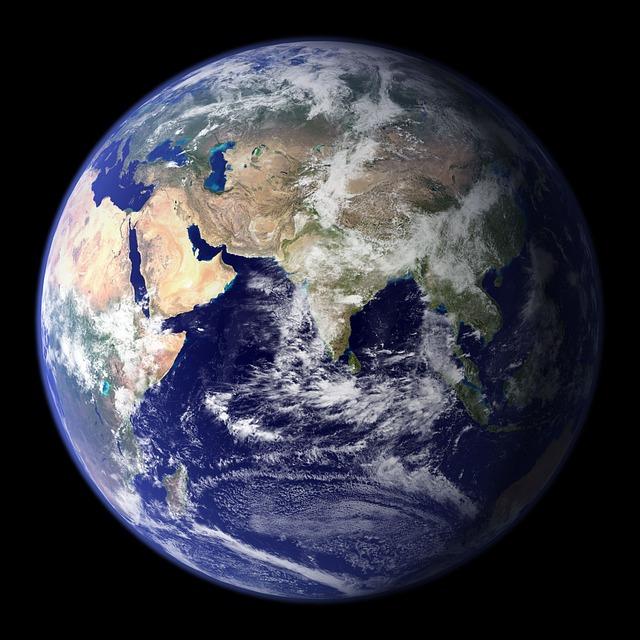
      An image in a quiz
      Correct Answer: Earth, the Earth

      Q4.
      Which picture shows a fossil?

      A
      B
      Correct answer: C
      D

      Q5.
      Which of these things could not become a fossil?

      Correct answer: plastic bottle
      animal
      plant

      Q6.
      What is a fossil?

      a living organism
      a rock containing an organism
      the remains of a living organism
      Correct answer: the mineralised remains of a living organism

      Assessment exit quiz

      6 Questions

      Q1.
      Write one thousand as a number.

      Correct Answer: 1000, 1 000

      Q2.
      What is the correct way to write one million?

      100
      1000
      Correct answer: 1 000 000
      1 000 000 000

      Q3.
      What name is given to the number 1 000 000 000?

      one hundred
      one thousand
      one million
      Correct answer: one billion

      Q4.
      After studying the ages of rocks, when do scientists think the Earth was formed?
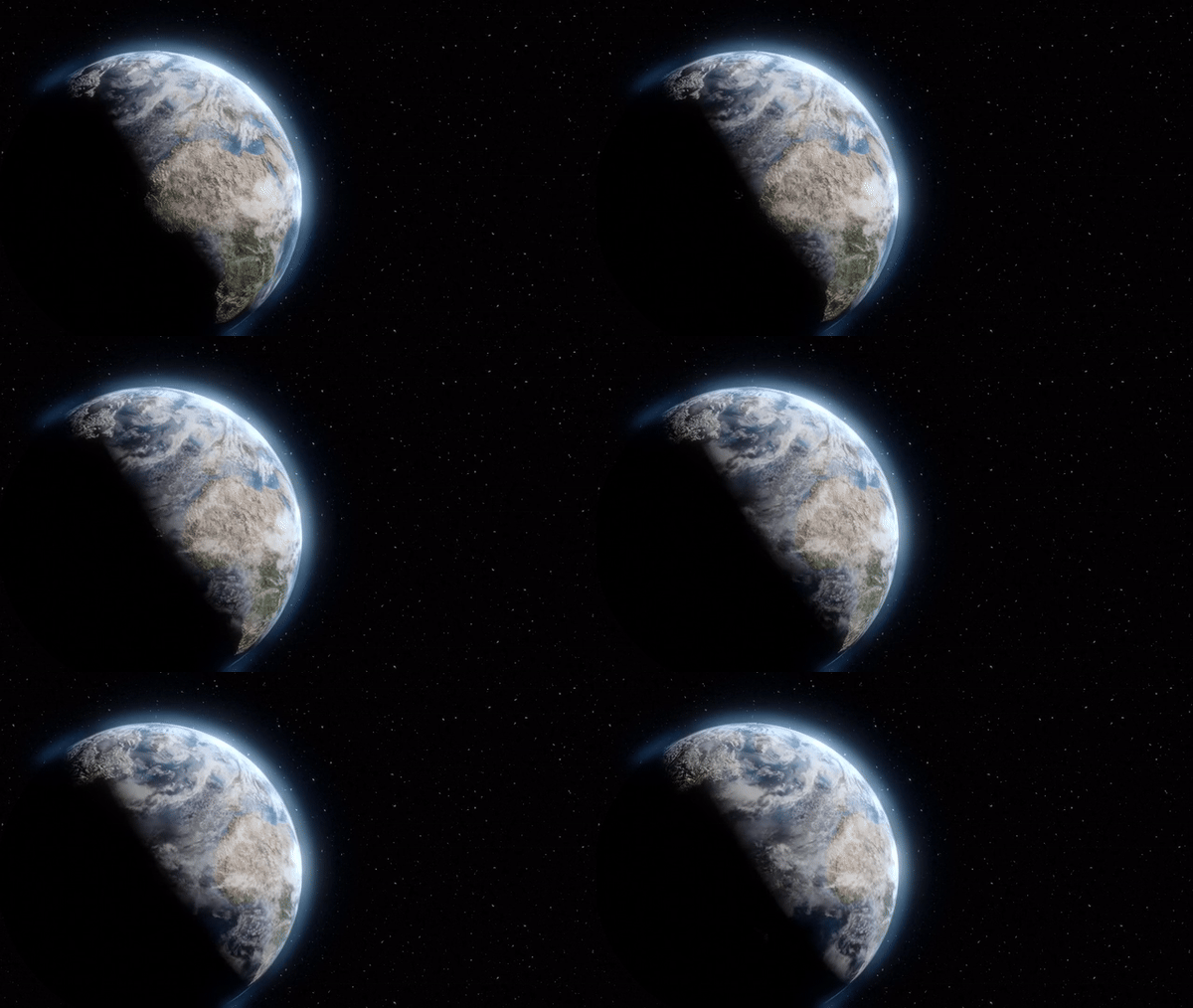
      An image in a quiz
      hundreds of years ago
      thousands of years ago
      millions of years ago
      Correct answer: billions of years ago

      Q5.
      Starting with the earliest, put these events in the order they occurred.

      1 - cells without a nucleus evolved
      2 - multicellular organisms evolved
      3 - plants evolved
      4 - mammals evolved

      Q6.
      For how much of the Earth’s history have humans existed?

      all of it
      most of it
      half of it
      Correct answer: a tiny fraction of it

      Lesson appears in

      UnitScience / Adaptations, competition, natural selection and evolution

      Science