


New
New
Use divisibility rules for 3, 4, 6 and 8 times tables to solve problems
You can use divisibility rules for 3, 4, 6 and 8 times tables to solve problems.


Lesson 9 of 10
New
New
- Year 4
Use divisibility rules for 3, 4, 6 and 8 times tables to solve problems
You can use divisibility rules for 3, 4, 6 and 8 times tables to solve problems.
Lesson details
Key learning points
- Multiples of 3 have a digit sum of a multiple of 3 and multiples of 6 are even multiples of 3
- If you can halve a number twice and get a whole number then the original number is a multiple of 4
- If you can halve a multiple of 4 and get a whole number then the original number is a multiple of 8
Keywords
Divisible - Divisibility is a number’s ability to be exactly divided by another number, leaving no remainder.
Divisibility rules - Divisibility rules let you test if one number is divisible by another, without having to do too much calculation.
Common misconception
Pupils may confuse the divisibility rules or apply them incorrectly.
Display the rules so pupils can be reminded of them. Clarify each rule with clear examples and practice problems (e.g., a number is divisible by 3 if the sum of its digits is divisible by 3).
The numbers used for the divisibility checks in the first cycle are multiples within the times tables. Children should be familiar and confident in identifying whether numbers are divisible. Consider ways you could support your learners in remembering these rules.

Teacher tip

Licence
This content is © Oak National Academy Limited (2025), licensed on Open Government Licence version 3.0 except where otherwise stated. See Oak's terms & conditions (Collection 2).
Lesson video
Loading...
Prior knowledge starter quiz
6 Questions
Q1.Which of these numbers are multiples of 4?
Which of these numbers are multiples of 4?
30
34
Q2.Which of these numbers are not multiples of 6?
Which of these numbers are not multiples of 6?
12
36
42
Q3.What calculations does this array show?
What calculations does this array show?
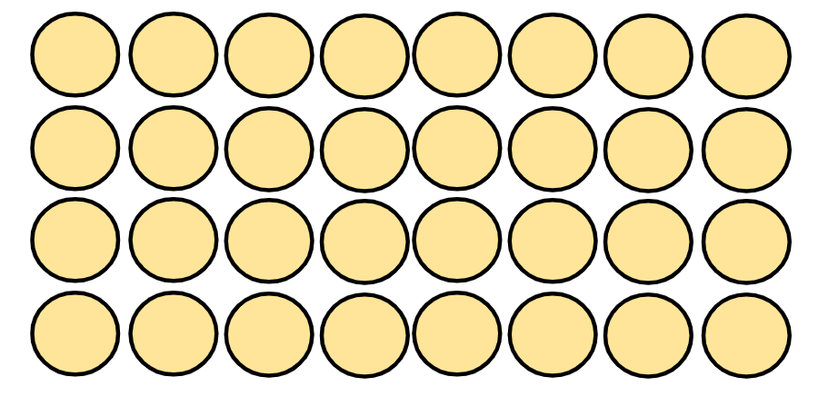
8 ÷ 4 = 32
Q4.Match the array to the correct square number.
Match the array to the correct square number.
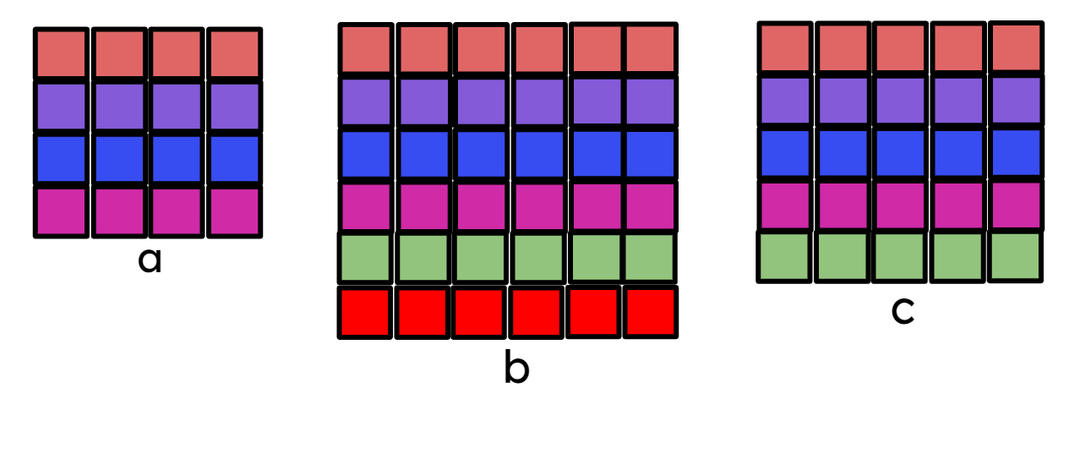

Q5.Select the square numbers.
Select the square numbers.
6
40
Q6.Jacob has designed a square. One side is 7 tiles long. How many tiles has he used? tiles
Jacob has designed a square. One side is 7 tiles long. How many tiles has he used? tiles
Assessment exit quiz
6 Questions
Q1.Match the divisibility rules.
Match the divisibility rules.
Q2.Which statements are true?
Which statements are true?
16 is divisible by 3
16 is divisible by 6
Q3.Which statement is not true?
Which statement is not true?
36 is divisible by 3
36 is divisible by 4
36 is divisible by 6
Q4.True or false? 40 is divisible by 3
True or false? 40 is divisible by 3
True
Q5.Which statements are true?
Which statements are true?
30 is divisible by 4
16 is divisible by 6
Q6.True or false? 24 is divisible by 3, 4, 6 and 8
True or false? 24 is divisible by 3, 4, 6 and 8
False
