New
New
Use knowledge of shape properties to draw shapes accurately using rulers and protractors
I can use my knowledge of shape properties to draw shapes accurately using rulers and protractors.


Lesson 2 of 10
New
New
- Year 6
Use knowledge of shape properties to draw shapes accurately using rulers and protractors
I can use my knowledge of shape properties to draw shapes accurately using rulers and protractors.
Lesson details
Key learning points
- A protractor is used to draw and measure angles accurately.
- Read the scale from zero on a protractor to draw and measure angles accurately.
- Read the scale from zero on a ruler to draw and measure accurately.
Keywords
Protractor - A protractor is an instrument used in measuring or drawing angles.
Common misconception
Pupils can find protractors tricky, sometimes drawing the wrong angle because the outer scale has been used rather than the inner-scale, or vice-versa.
Emphasise estimation through knowledge of angle types. Model discussion of whether an angle is acute or obtuse and use this knowledge to identify which value on which scale is the measurement.
Consider how confident pupils are in using a protractor independently. Independent tasks could be scaffolded further by adapting angles to measure in multiples of 5 or 10

Teacher tip

Licence
This content is © Oak National Academy Limited (2025), licensed on Open Government Licence version 3.0 except where otherwise stated. See Oak's terms & conditions (Collection 2).
Lesson video
Loading...
Prior knowledge starter quiz
6 Questions
Q1.Select all of the statements that are true of polygons.
Select all of the statements that are true of polygons.
In special circumstances, they can be 3D shapes.
They have all curved sides.
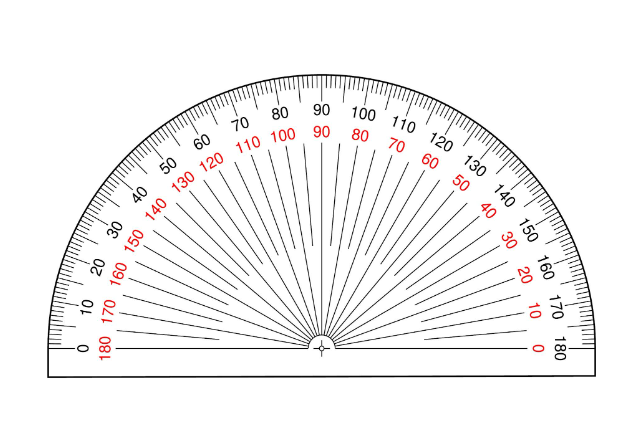
Q2.What is this?
What is this?
Ruler
Number line
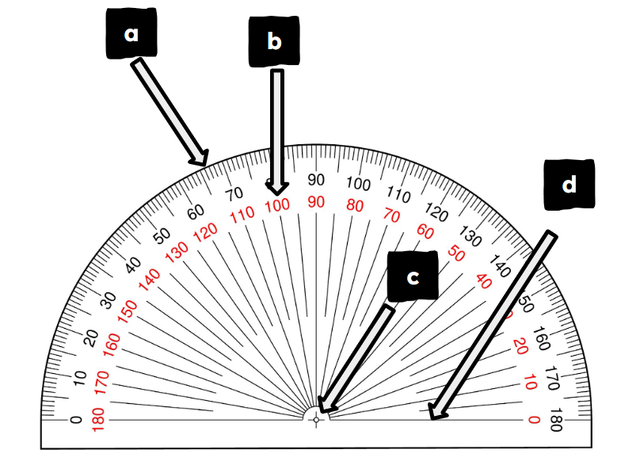
Q3.Match the letter to the correct protractor part.
Match the letter to the correct protractor part.

Q4.Match the number of sides to the shape name.
Match the number of sides to the shape name.
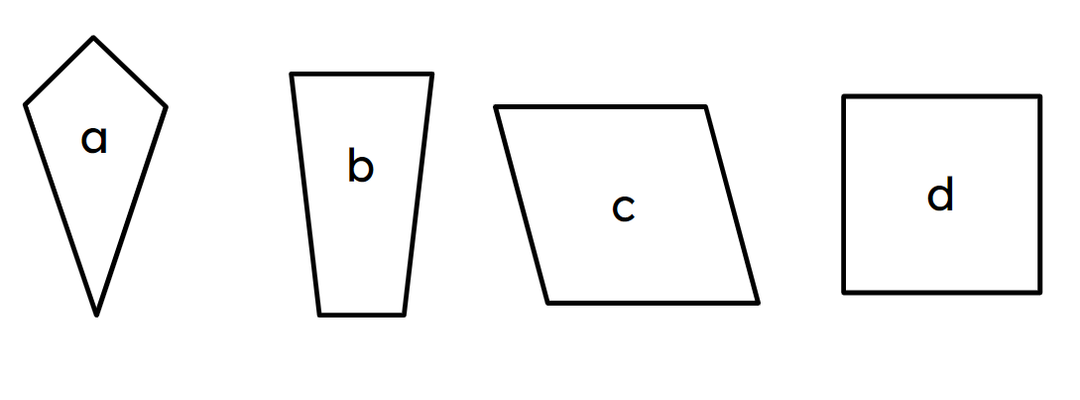
Q5.Match the quadrilateral to the correct name.
Match the quadrilateral to the correct name.
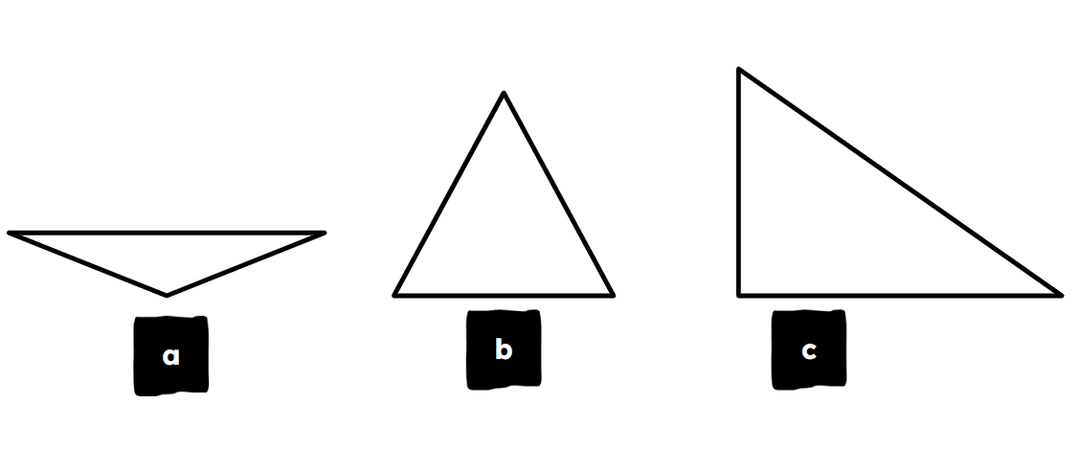
Q6.Match the triangle to the correct name.
Match the triangle to the correct name.
Assessment exit quiz
6 Questions
Q1.Which of these triangles is possible?
Which of these triangles is possible?
All interior angles of 70°.
Three right angles.
Two right angles.
Q2.Which of these descriptions could be describing the interior angles of a triangle?
Which of these descriptions could be describing the interior angles of a triangle?
Three obtuse angles.
No acute angles
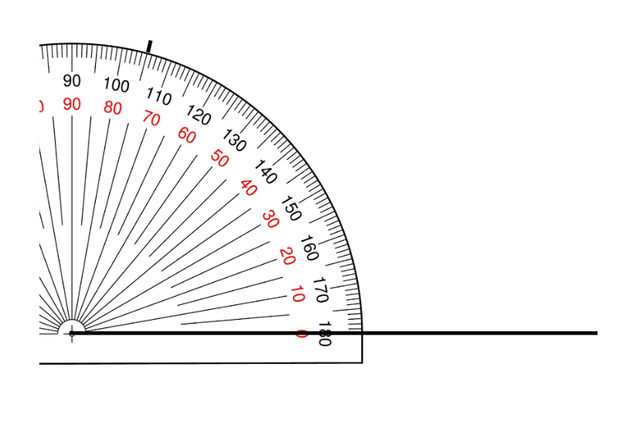
Q3.Alex is plotting a triangle. Which angle has he started to mark out?
Alex is plotting a triangle. Which angle has he started to mark out?
85°
105°
115°
Q4.Which of these descriptions could be describing the interior angles of a quadrilateral?
Which of these descriptions could be describing the interior angles of a quadrilateral?
Four acute angles.
Q5.The acute angle in this image is °.
The acute angle in this image is °.
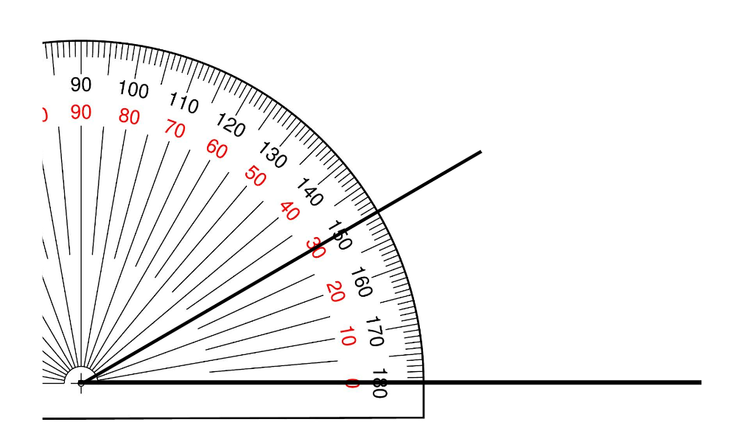
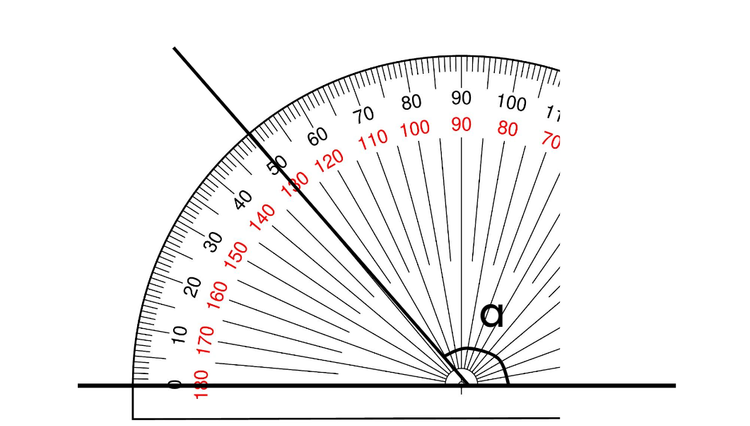
Q6.What is the size of angle a? °
What is the size of angle a? °