


Use repeated addition of a unit fraction to form 1
I can use repeated addition of a unit fraction to form 1


- Year 3
Use repeated addition of a unit fraction to form 1
I can use repeated addition of a unit fraction to form 1
Lesson details
Key learning points
- When the numerator and denominator are the same, the fraction is equal to 1
- Repeated addition of unit fractions forms a fraction equal to 1
- A number line represents the repeated addition of unit fractions to total 1
Keywords
Unit fraction - A unit fraction is a fraction where the numerator is 1
Non-unit fraction - A non-unit fraction is a fraction where the numerator is greater than 1
Denominator - A denominator is the bottom number in a fraction. It shows how many parts a whole has been divided into.
Numerator - A numerator is the top number in a fraction. It shows how many parts we have.
Common misconception
When counting, children might think that 1 comes one step after the numerator and denominator are the same. For example, "...five-sevenths, six-sevenths, seven-sevenths, 1".
As the teacher, count in a given unit fraction and ask the children to stand up, wave or respond in some way when you get to the unit fraction that's equivalent to 1 (when the numerator and denominator are the same).


Licence
Lesson video
Loading...
Prior knowledge starter quiz
6 Questions
Q1.Which of these definitions describes a denominator?

Q2.Which of these definitions describes a numerator?
Q3.Which of these are unit fractions?
Q4.Which of these are non-unit fractions?
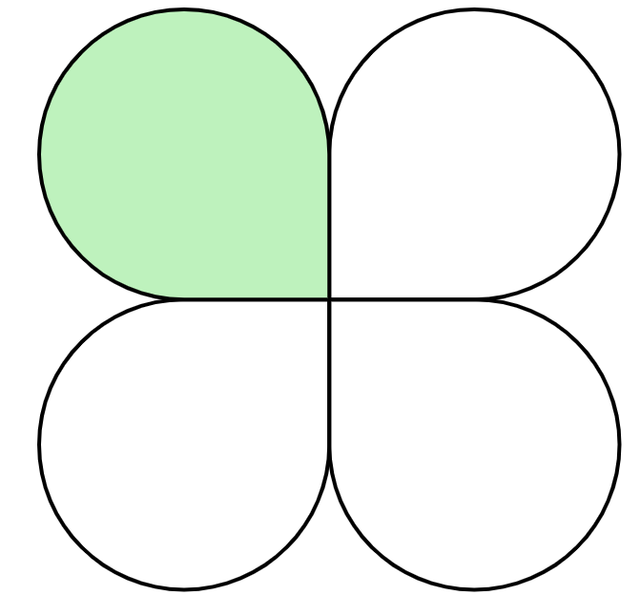
Q5.What unit fraction is represented here by the shaded part?
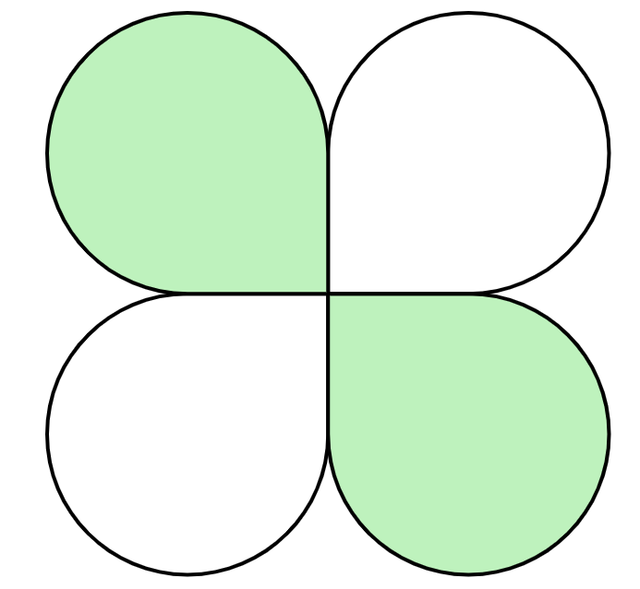
Q6.What non-unit fraction is represented by the shaded parts here?
Assessment exit quiz
6 Questions
Q1.Look at the picture. Which equation below represents this non-unit fraction shown by the shaded green triangles?

Q2.How would this whole be represented using fraction notation?
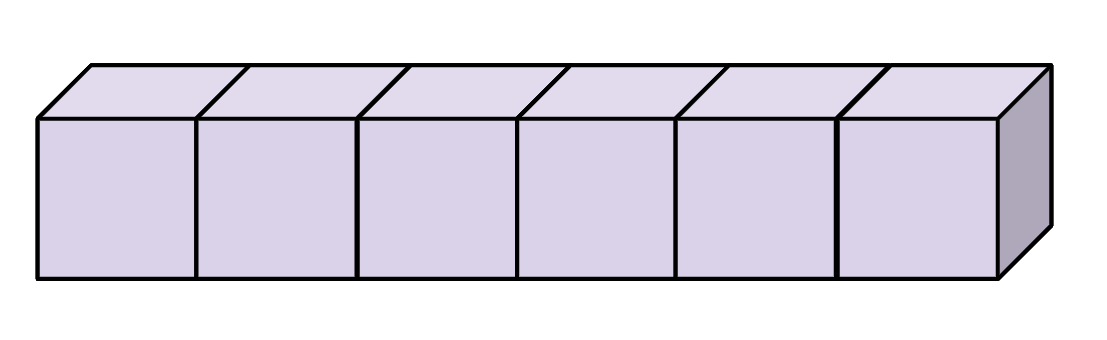
Q3.How can this whole be represented using fraction notation?

Q4.True or false? When the numerator and denominator are the same, the fraction is equivalent to 1
Q5.Select all the possible correct ends to this statement: When the denominator and numerator are the same value, __________.
Q6.Tick the statements that are true about the fraction $$ \frac{5}{5} $$
