


Water: our essential resource
I can explain why water is a precious resource and identify some of the threats to its availability and distribution.


- Year 5
Water: our essential resource
I can explain why water is a precious resource and identify some of the threats to its availability and distribution.
Lesson details
Key learning points
- Water resources across the world are unequal and influenced by patterns of climate.
- Global water use varies and is linked to latitude, climate, and amount of agriculture and industry in a place.
- Our use of water must be sustainable.
- Existing water resources are becoming increasingly polluted through human activity.
Keywords
Fresh water - Fresh water is water that is not salty.
Reservoir - A reservoir is an artificial lake made by humans to store water.
Water supply - Water supply means the water from lakes, rivers and reservoirs that is carried by pipes to homes and businesses for daily use.
Sustainable - Using a resource in a way that ensures there will be enough left for future generations.
Common misconception
That water originates from pipes or taps.
All water is a natural resource and originates from bodies of water such as rivers, lakes, reservoirs.


Licence
Lesson video
Loading...
Prior knowledge starter quiz
6 Questions
Q1.Which of these images show uses of wood?


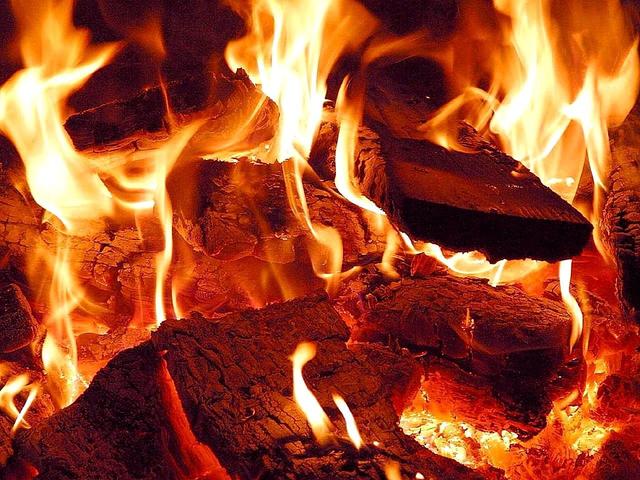
Q2.What is the term given to wood that has been cut down and prepared for use in industries?
Q3.How do trees help the environment?
Q4.What type of management is important in Canada's boreal forests?
Q5.Which hemisphere are Canada's boreal forests in?
Q6.What do forest companies have to do in areas they harvest wood from?
Assessment exit quiz
6 Questions
Q1.Water can be found as a solid, liquid and ...
Q2.What percentage of the earth's surface does water cover?
Q3.Which of these are fresh water sources?
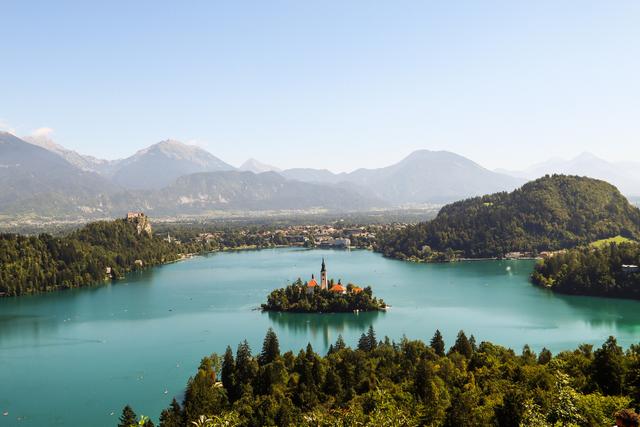
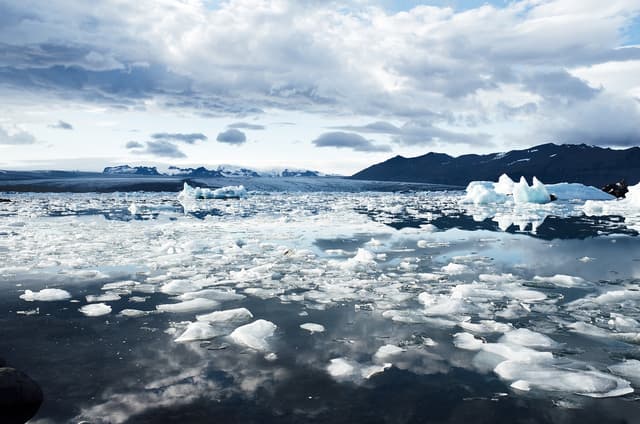

Q4.How much of the world's population don't have access to water?
Q5.Can you identify whether these are natural or human factors affecting water supply?

