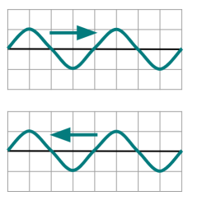
Water waves
I can explain how water waves consist of oscillations of water and describe how water waves can superpose and reflect.


- Year 9
Water waves
I can explain how water waves consist of oscillations of water and describe how water waves can superpose and reflect.
Lesson details
Key learning points
- As a water wave moves forward, each bit of water is moving up and down (oscillating), not forward.
- Water waves are transverse waves: the direction of oscillation is 90° to the direction of energy transfer.
- The amplitude of a water wave is the greatest distance water moves above and below the rest position.
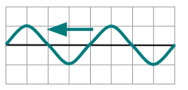
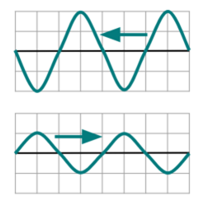
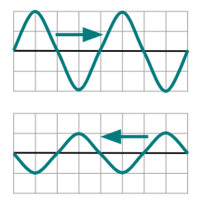
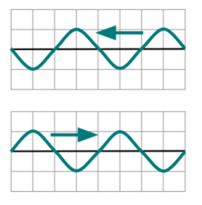
- Waves that pass through each other can ‘add up’ or ‘cancel out’; this is called wave superposition.
- Water waves reflect from hard barriers, obeying the laws of reflection.
Keywords
Oscillation - back–and–forth movement
Transverse - describes a wave where the direction of oscillation is 90° to the direction of energy transfer
Amplitude - the greatest distance a material moves from the rest position when a wave passes through that material
Wave superposition - the process of waves ‘adding up’ or ‘cancelling out’ as they pass through each other
Wavefront - lines drawn to represent the positions of the peaks of a wave
Common misconception
Water moves forwards with a water wave.
Show pupils animations depicting how transverse waves are created in water (and on ropes) by patterns of oscillation. Explicitly draw their attention to how the wave shape / wave pattern travels forwards without any material travelling forwards.


Equipment
Teachers could consider using a ripple tank to demonstrate the reflection of water waves, to further enrich this lesson.

Licence
Lesson video
Loading...
Prior knowledge starter quiz
6 Questions
Q1.Which of the following are types of wave?
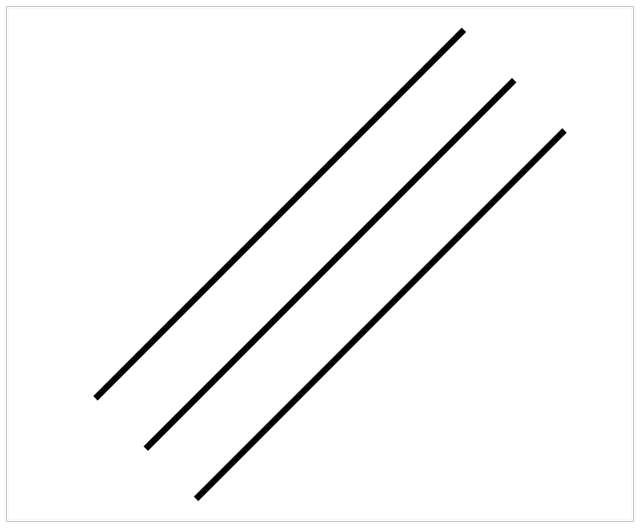
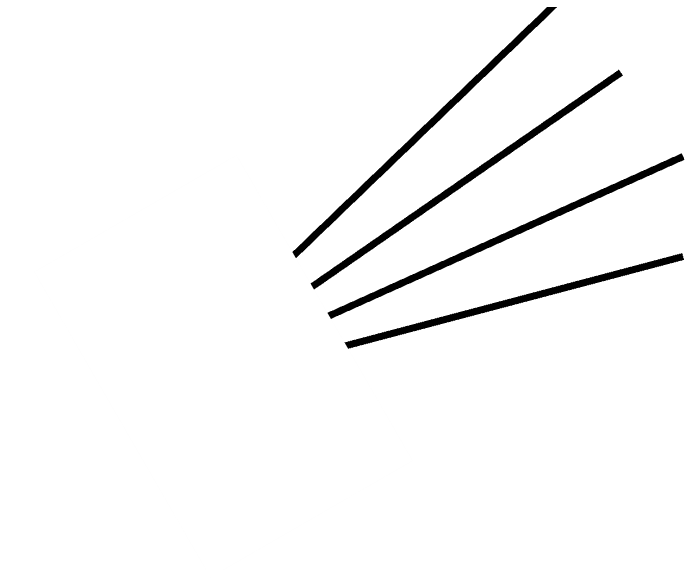
Q2.Which of the following shows parallel lines?
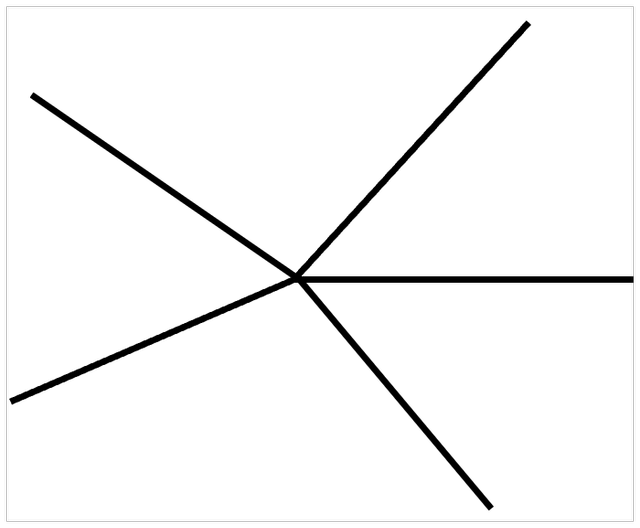
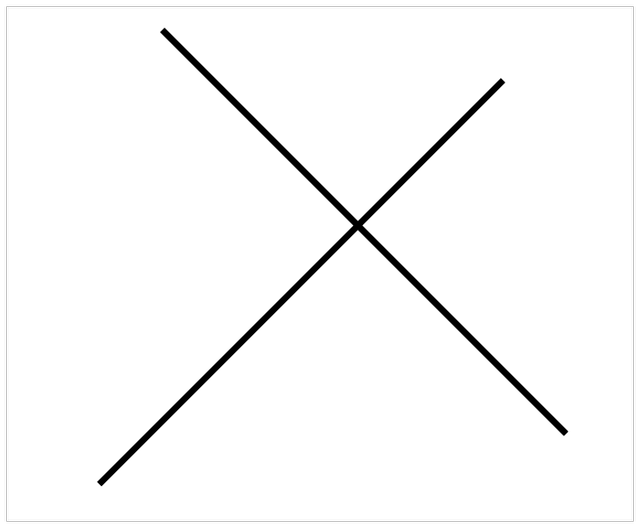
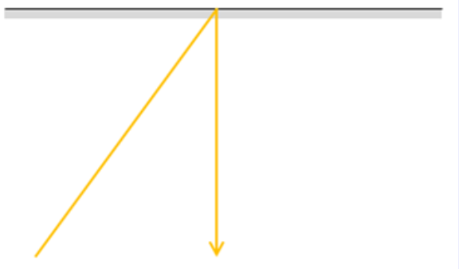
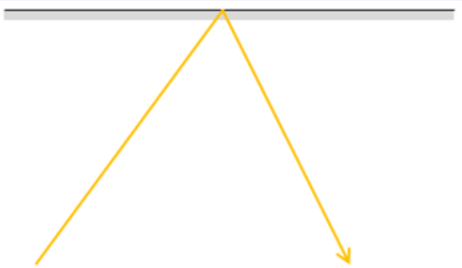
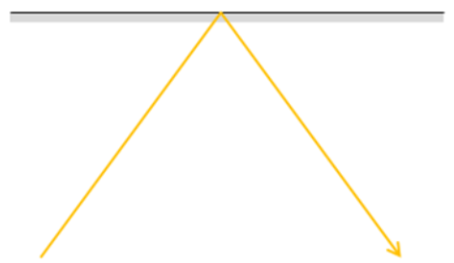
Q3.Which of the following correctly shows reflection of a light ray off a mirror?
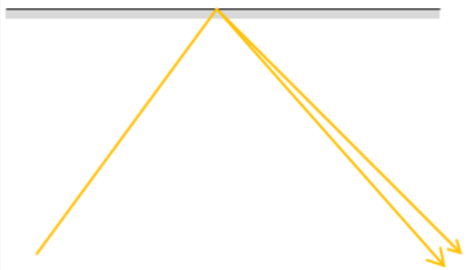
Q4.Each of these terms describes a line that can be seen in a ray diagram for the reflection of light. Match each term with its definition.

Q5.Which two of the following statements about laws of reflection are correct?
Q6.Which of the following words means ‘transfer energy to the thermal store’ by heating the surroundings?
Assessment exit quiz
6 Questions
Q1.Which of the following words means back-and-forth movement?
Q2.The diagram shows a water wave. Match the letters with the correct labels.
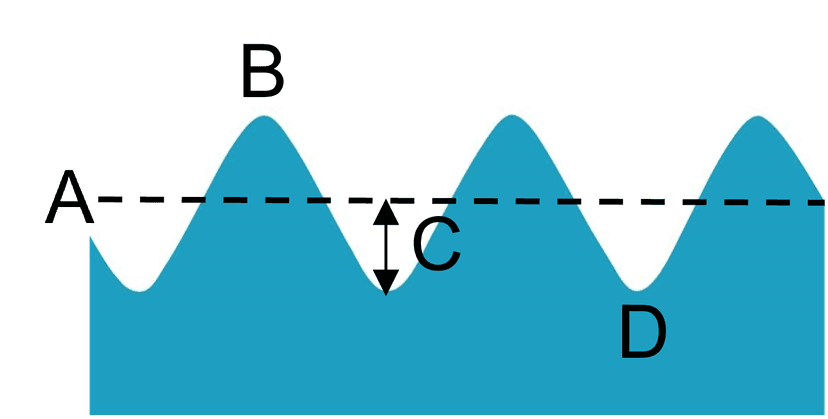
Q3.In a wave such as a water wave, the repeating movements of parts of the medium are at 90° to the direction of energy transfer.
Q4.Which of the following statements is correct?
Q5.Which of the following is a word that describes what waves do when they pass through each other?
Q6.The diagram shows the resultant wave when two waves pass through each other. Which of the following shows two waves that combine to form this resultant wave at this moment?