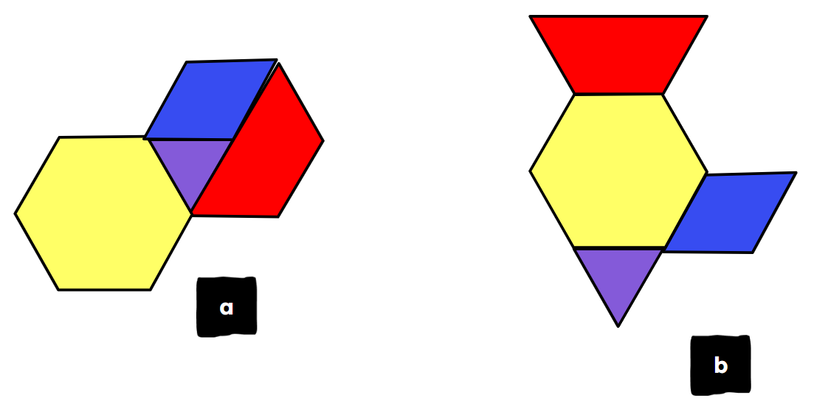
When a 2D shape is decomposed and the parts rearranged, the areas remains the same
I can decompose a 2D shape and create a different shape from the parts and explain why the area of the new compound shape is the same as the original 2D shape.


- Year 6
When a 2D shape is decomposed and the parts rearranged, the areas remains the same
I can decompose a 2D shape and create a different shape from the parts and explain why the area of the new compound shape is the same as the original 2D shape.
Lesson details
Key learning points
- The area of the compound shape is equal to the total areas of its parts
- 2D shapes can be decomposed and rearranged in different ways
- 2D shapes can be decomposed and rearranged in different ways but the total area stays the same
Keywords
Compound shape - A compound shape is a shape created using two or more basic shapes.
Area - Area is the measurement of a flat surface. It measures a 2D space.
Common misconception
Children may assume some shapes have a larger area than others by comparison of a certain dimension. In this lesson, pattern blocks can be arranged to create shapes with very different dimensions.
Encourage pupils to rearrange the composing shapes to prove that the compound shapes have the same area. This can be done effectively with tangrams or pattern blocks, both of which feature heavily in this lesson.


Licence
Lesson video
Loading...
Prior knowledge starter quiz
6 Questions
Q1.Which words describe the smaller shapes the larger square is composed of?


Q2.Which words describe the smaller shapes the larger square is composed of?
Q3.What is area?
Q4.Which of these properties must a shape have for it to have an area?
Q5.If you decompose a shape, what do you do?
Q6.Is it possible for two 2D shapes to have the same area?
Assessment exit quiz
6 Questions
Q1.Which of these compound shapes have the same area as each other?
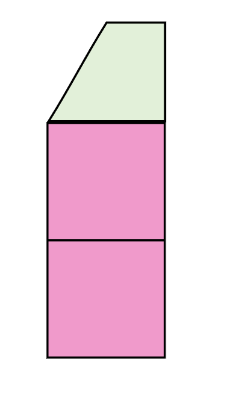
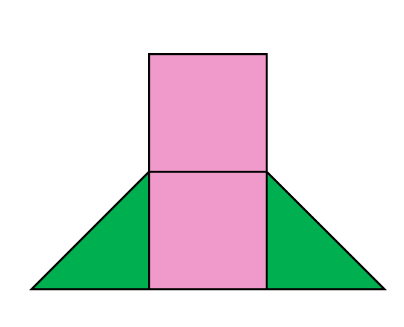
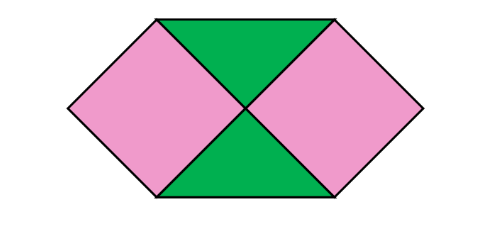
Q2.The three shapes are composed of parts that are the same size. Select the shapes that have the same area.

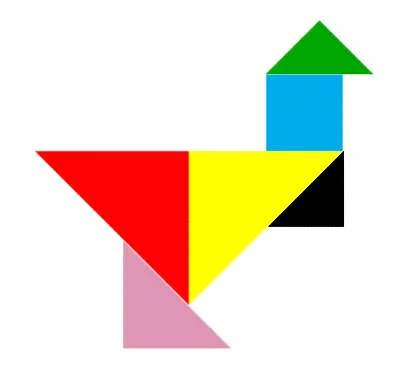

Q3.Select the shapes that have the same area.
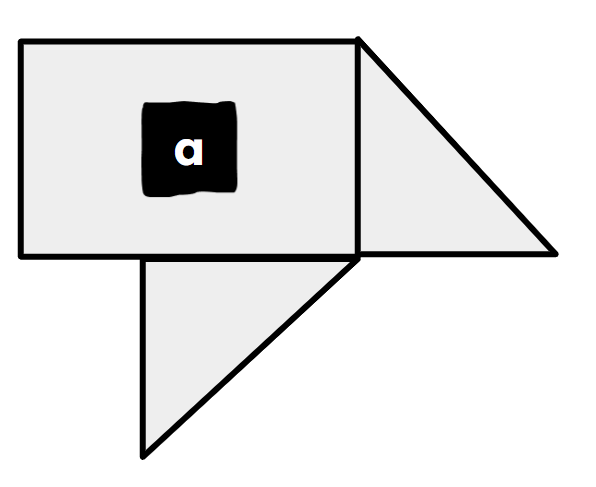
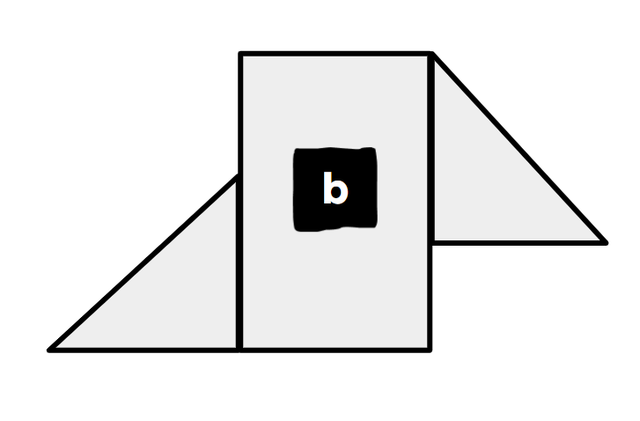
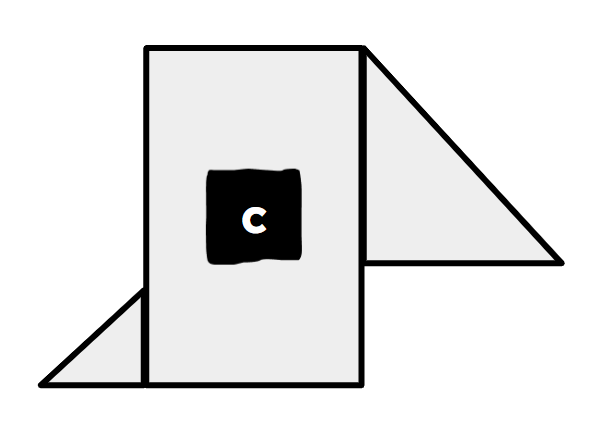
Q4.What can be done so that the shapes have the same area?
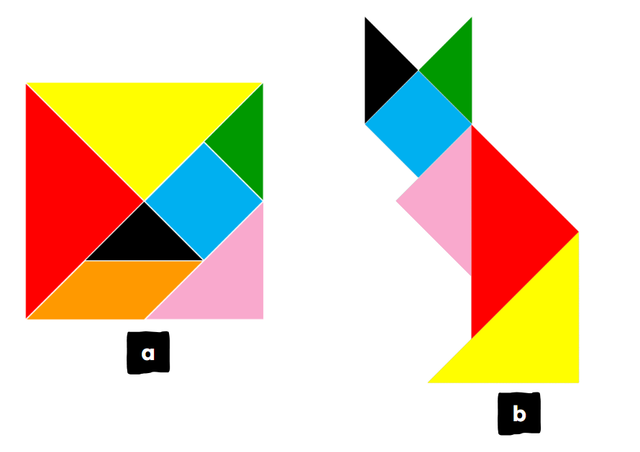
Q5.These compound shapes are composed of identical smaller shapes. Which have the same area?
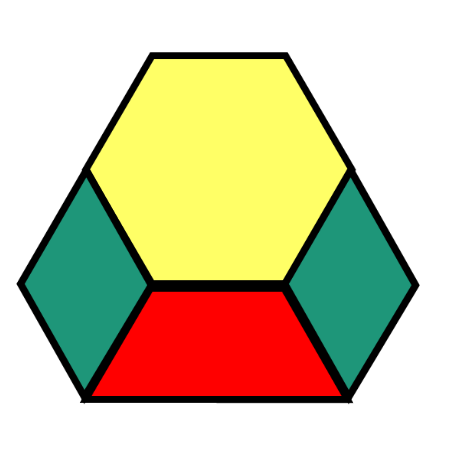
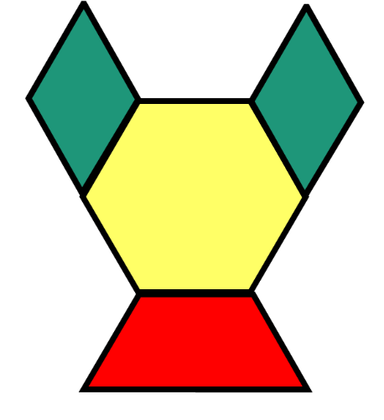
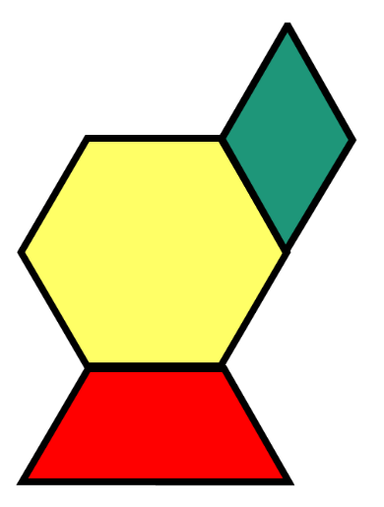
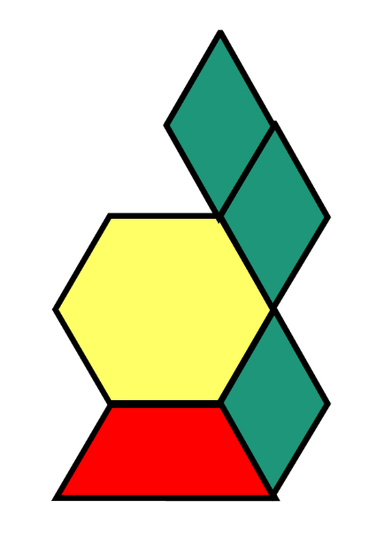
Q6.The two compound shapes have been composed of identical smaller shapes. Which of these statements is true?