


New
New
World climate zones
I can describe the pattern of climate zones and know some of the factors that affect climate, such as latitude.


Lesson 2 of 14
New
New
- Year 7
World climate zones
I can describe the pattern of climate zones and know some of the factors that affect climate, such as latitude.
Lesson details
Key learning points
- Climate zones are areas with a similar climate.
- Factors such as alititude, latitude and distance from the sea affect the weather and climate of a location.
- The height above sea level affects the temperature.The higher above sea level, the cooler the temperature.
- Coastal areas tend to have warmer winters than inland areas as water takes longer to warm up.
Keywords
Climate zones - areas that have similar weather conditions and climate, e.g. the tropics
Temperature - the degree of hotness or coldness of a place
Latitude - lines of latitude are imaginary lines on Earth showing position north or south of the Equator, measured in degrees
Altitude - height above sea level or ground level
Common misconception
It is always colder at the coast because it is near water.
Students will understand that, in winter, coastal areas tend to be warmer because water takes longer to heat up.
It would be useful for students to have a world map or an atlas for this lesson. It's also helpful to reinforce that it is hot and wet at the equator.

Teacher tip

Equipment

Licence
This content is © Oak National Academy Limited (2026), licensed on Open Government Licence version 3.0 except where otherwise stated. See Oak's terms & conditions (Collection 2).
Lesson video
Loading...
Prior knowledge starter quiz
6 Questions
Q1.Which of the below is a statement about the weather?
Which of the below is a statement about the weather?
The Sahara Desert is hot and dry all year around.
England has a temperate maritime climate.
The Amazon Rainforest is generally hot and wet.
Q2.Which of the below are shown on a climate graph?
Which of the below are shown on a climate graph?
Wind
Sunlight
Q3.Which of the terms below refers to the height above sea level?
Which of the terms below refers to the height above sea level?
Latitude
Equator
Summit
Q4.Which of the climate graphs below shows the wettest climate?
Which of the climate graphs below shows the wettest climate?
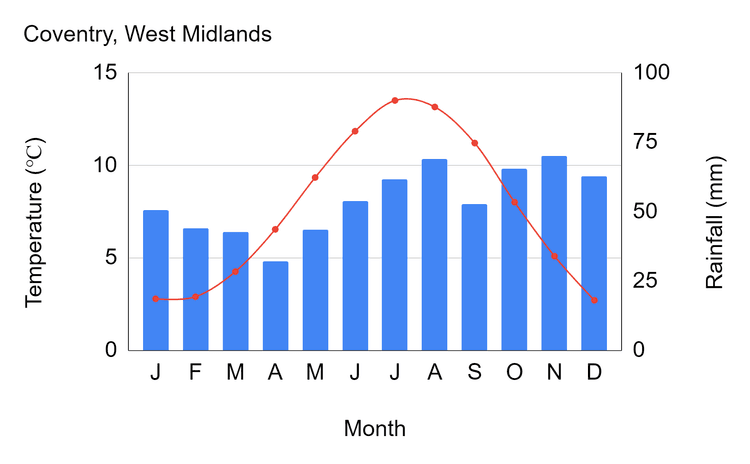
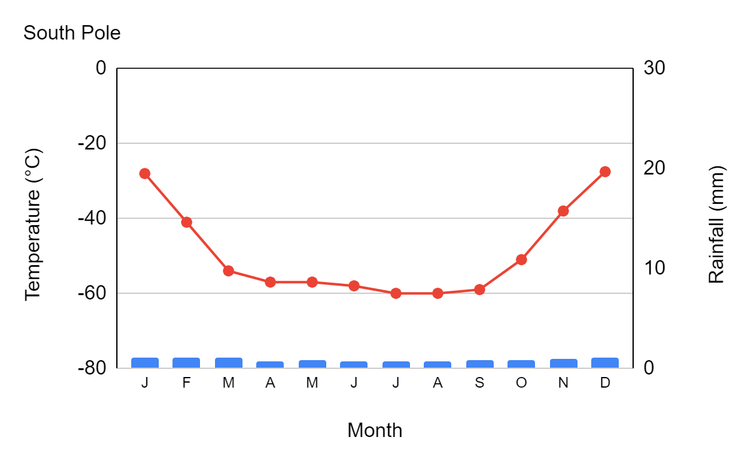
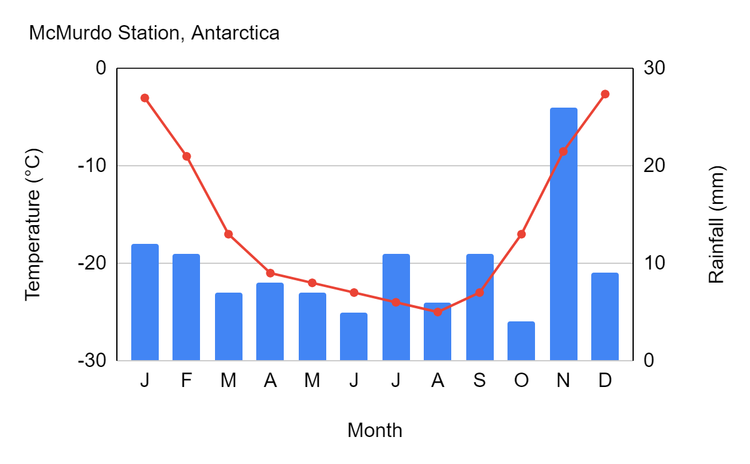
Q5.What is the key term: The average conditions of the atmosphere over 30 years.
What is the key term: The average conditions of the atmosphere over 30 years.
Q6.Match the following types of weather with the correct instruments used to measure them.
Match the following types of weather with the correct instruments used to measure them.

Q4 image 1 Contains modified Copernicus Climate Change Service information (2025); ECMWF; ERA5. Licensed under CC BY 4.0 Q4 image 2 Contains modified Copernicus Climate Change Service information (2025); ECMWF; ERA5. Licensed under CC BY 4.0 Q4 image 3 Contains modified Copernicus Climate Change Service information (2025); ECMWF; ERA5. Licensed under CC BY 4.0
Assessment exit quiz
6 Questions
Q1.What do we call locations that have similar temperature and precipitation patterns?
What do we call locations that have similar temperature and precipitation patterns?
Climate
Temperature
Precipitation
Weather Zone
Q2.What are the typical climatic conditions along the equator?
What are the typical climatic conditions along the equator?
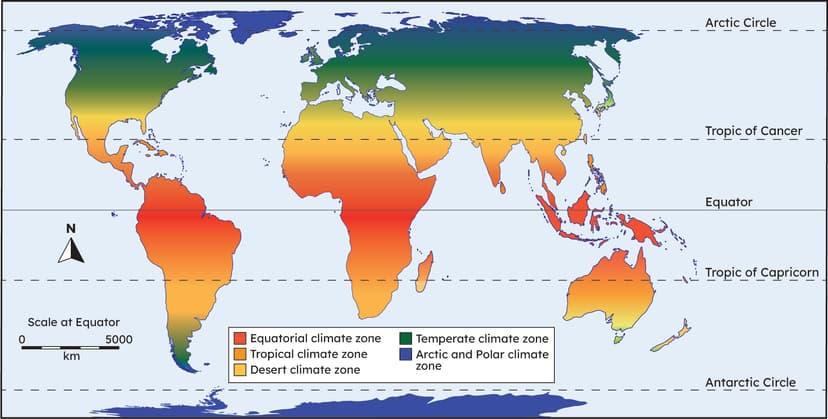
hot and dry
cold and wet
cold and dry
Q3.What is happening to air at the equator?
What is happening to air at the equator?
Sinking
Both
Nothing
Q4.What happens to temperature at altitude increases by 100m?
What happens to temperature at altitude increases by 100m?
It increases by 1 degree Celsius
It increases by 100 degrees Celsius
It decreases by 100 degrees Celsius
Q5.South west Europe is generally cooler than the rest of Europe, due to what reason?
South west Europe is generally cooler than the rest of Europe, due to what reason?
latitude
altitude
ocean currents
Q6.Which two factors are responsible for Moscow and Glasgow having different climates?
Which two factors are responsible for Moscow and Glasgow having different climates?
latitude
altitude
