


Weaving using everyday objects as a frame


Lesson details
Learning outcome
I can make a weaving using an everyday object as a loom.
Key learning points
- Artists can make looms from everyday objects and found objects.
- A shuttle can be used to carry the weft threads through the warp threads.
- Artists might choose to follow their design closely, or change their mind about some elements.
Keywords
Everyday object - something that we use or see regularly in our daily lives
Threads - thin pieces of string or material, often used for sewing or making things like weavings
Shuttle - a tool used to carry the weft thread through the warp threads
Common misconception
Looms cannot be made from everyday objects.
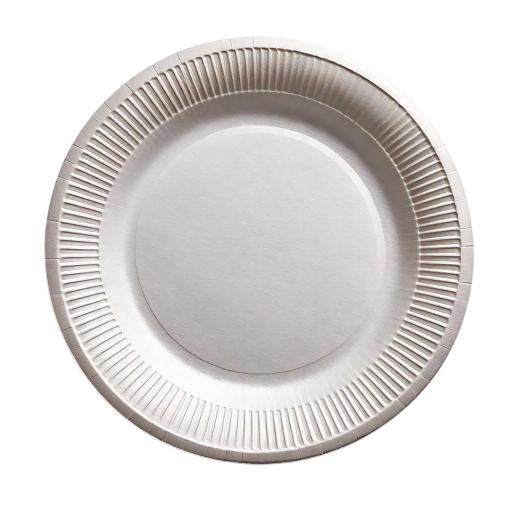
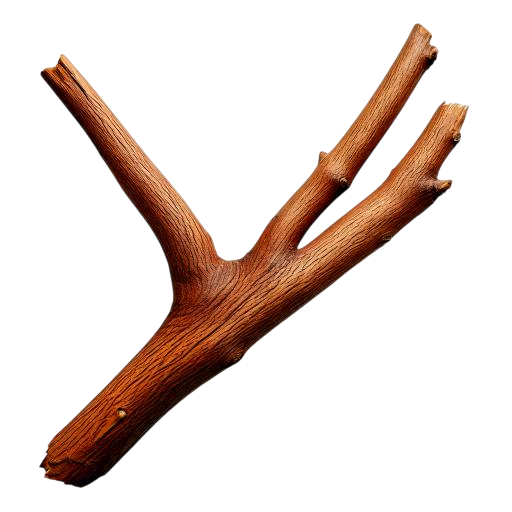
Remind children that looms can be made on a wide variety of frames, including found sticks or paper plates.
Teacher tip
Teachers may wish to complete Task A in small groups, so that children can be supported with making thier looms. For some children, it may be better to pre-prepare some looms for them to choose from.

Equipment
Wool or string for warp threads, variety of everyday objects for looms, strips of fabric in a variety of colours, lolly sticks and masking tape.

Licence

Lesson video
Loading...
Prior knowledge starter quiz
4 Questions
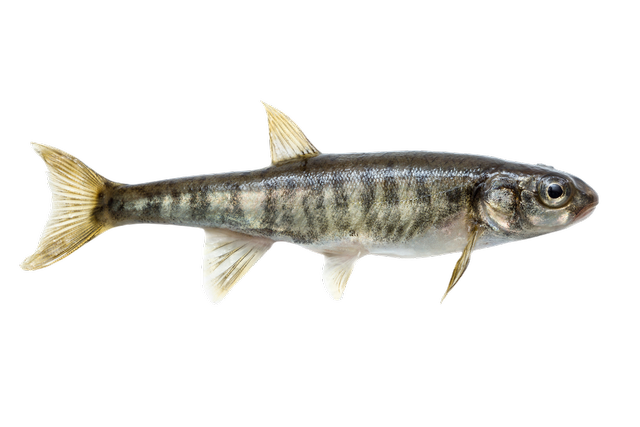
Q1.Which sea creature has a rough texture?



Q2.Which statement about design is true?
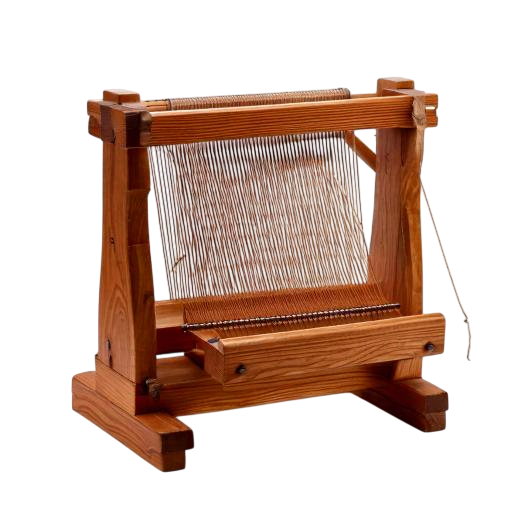
Q3.What is a loom?
Q4.Warp threads are the threads that go up and on the loom.
Assessment exit quiz
4 Questions
Q1.Which of the following is not an everyday object?
Q2.An object is something that we use in day to day life.
Q3.Artists can make looms from everyday objects and objects.
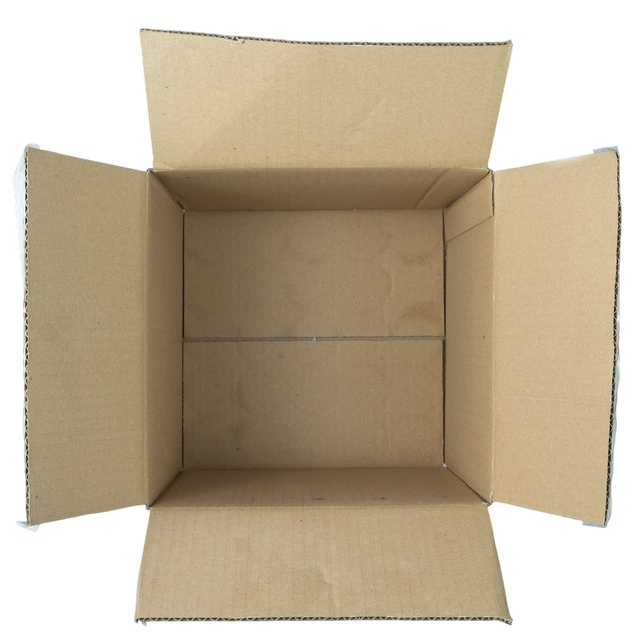
Q4.Order the steps to create a loom from cardboard.
To help you plan your 1 art and design lesson on: Weaving using everyday objects as a frame, download all teaching resources for free and adapt to suit your pupils' needs...
To help you plan your 1 art and design lesson on: Weaving using everyday objects as a frame, download all teaching resources for free and adapt to suit your pupils' needs.
The starter quiz will activate and check your pupils' prior knowledge, with versions available both with and without answers in PDF format.
We use learning cycles to break down learning into key concepts or ideas linked to the learning outcome. Each learning cycle features explanations with checks for understanding and practice tasks with feedback. All of this is found in our slide decks, ready for you to download and edit. The practice tasks are also available as printable worksheets and some lessons have additional materials with extra material you might need for teaching the lesson.
The assessment exit quiz will test your pupils' understanding of the key learning points.
Our video is a tool for planning, showing how other teachers might teach the lesson, offering helpful tips, modelled explanations and inspiration for your own delivery in the classroom. Plus, you can set it as homework or revision for pupils and keep their learning on track by sharing an online pupil version of this lesson.
Explore more key stage 1 art and design lessons from the Watery weavings: introducing textiles unit, dive into the full primary art and design curriculum, or learn more about lesson planning.