


Meristem cells in plants


Lesson details
Learning outcome
I can explain what meristem cells are and give examples of where they are found in plants.
Key learning points
- Plants have unspecialised cells called meristem cells, which are located in the stem and the tips of roots and shoots.
- Meristem cells in roots and shoots divide and differentiate to enable roots and shoots to grow longer and wider.
- Meristem cells in the shoots also divide and differentiate to make leaves and flowers.
- Meristem cells in the stem and roots also divide and differentiate to make tissues such as xylem and phloem.
- Meristem tissue can be used to produce clones for crops or to protect endangered species.
Keywords
Meristem - unspecialised cells that undergo mitosis and can differentiate into any type of plant cell
Shoot - where new plant growth occurs above the ground
Root - where new plant growth occurs underground
Xylem - a plant tissue that transports water upwards through the plant
Phloem - a plant tissue that transports sugars through the plant
Common misconception
Roots are not a tissue of the plant, or contain living cells, also that wood is not made of living cells.
Show the cells of roots and how they divide to allow the length and width of the root to grow; also the rings on trees that indicate new cell division in the trunk of a tree.
Teacher tip
As an alternative to Task C, students could complete a research activity on a particular rare species or crop plant.

Equipment
None required.

Licence

Lesson video
Loading...
Prior knowledge starter quiz
6 Questions
Q1.Which of these cells is not a specialised cell?
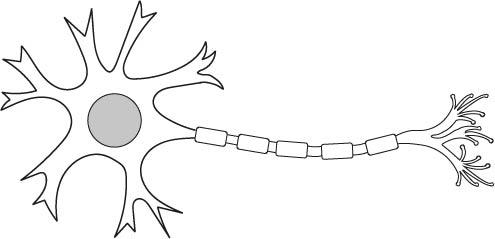

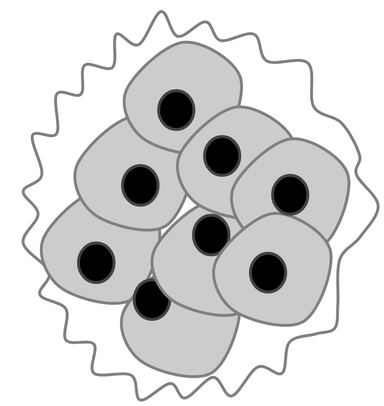
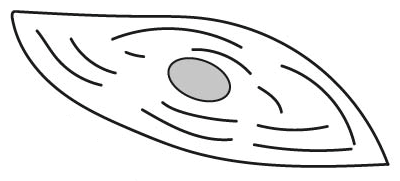
Q2.Which of these cells could become any type of cell in an animal?
Q3.In multicellular organisms, body cells divide by the process of to make new body cells.
Q4.What is the name of the process that turns an unspecialised stem cell into a specialised cell?
Q5.Who is correct?



Q6.True or false? All specialised body cells have the same genes present in their genome.
Assessment exit quiz
6 Questions
Q1.Which of these cells is not a specialised cell?
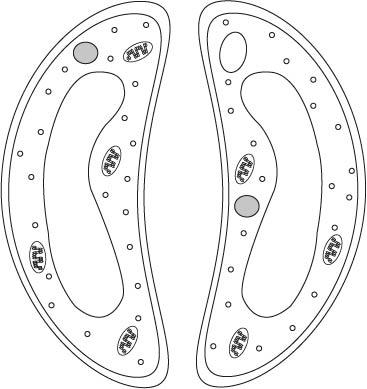
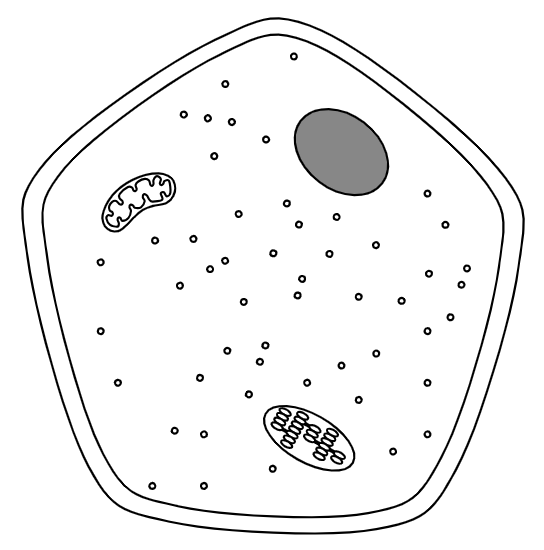
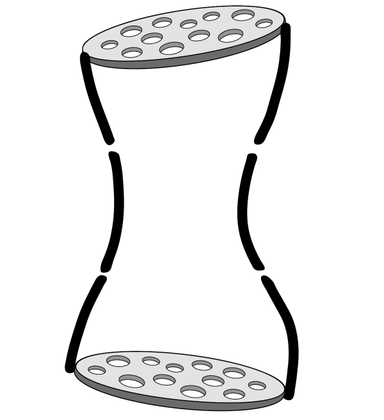
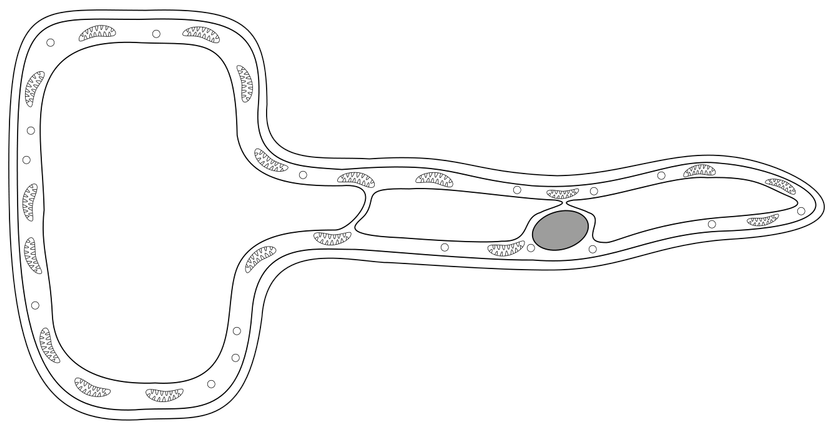
Q2.Which of these cells could become any type of cell in a plant?
Q3.Who is correct?



Q4.Match each process to its function.

Q5.During differentiation of meristem cells to become specialised cells, are switched on or off.
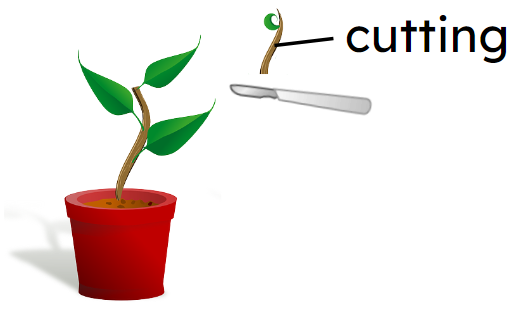
Q6.Which statement explains why a small cutting of a plant shoot can grow into a whole plant with roots, shoots and stems?
To help you plan your 10 biology lesson on: Meristem cells in plants, download all teaching resources for free and adapt to suit your pupils' needs...
To help you plan your 10 biology lesson on: Meristem cells in plants, download all teaching resources for free and adapt to suit your pupils' needs.
The starter quiz will activate and check your pupils' prior knowledge, with versions available both with and without answers in PDF format.
We use learning cycles to break down learning into key concepts or ideas linked to the learning outcome. Each learning cycle features explanations with checks for understanding and practice tasks with feedback. All of this is found in our slide decks, ready for you to download and edit. The practice tasks are also available as printable worksheets and some lessons have additional materials with extra material you might need for teaching the lesson.
The assessment exit quiz will test your pupils' understanding of the key learning points.
Our video is a tool for planning, showing how other teachers might teach the lesson, offering helpful tips, modelled explanations and inspiration for your own delivery in the classroom. Plus, you can set it as homework or revision for pupils and keep their learning on track by sharing an online pupil version of this lesson.
Explore more key stage 4 biology lessons from the Stem cells and differentiation unit, dive into the full secondary biology curriculum, or learn more about lesson planning.