


The human eye


Lesson details
Learning outcome
I can describe the main structures of the human eye and their functions.
Key learning points
- The human eye is a sense organ that detects light to enables us to see.
- The functions of the cornea, iris, lens, ciliary muscles, retina and optic nerve.
- Interpretation of ray diagrams showing refraction, to explain how the eye focuses light onto the retina.
- The iris expands and contracts (a reflex response) to control the amount of light entering the eye through the pupil.
- Use appropriate techniques to investigate the size of the pupil in different light levels.
Keywords
Lens - An object that can focus light rays. In the eye, it brings light rays to focus on the retina.
Refraction - Occurs when light travels from one transparent medium to another, causing a change in direction.
Focus - The process of bringing light rays together to converge at a single point creating a clear image.
Focal point - The point where rays of light meet after passing through a lens.
Reflex response - An involuntary, fast neural response to a situation.
Common misconception
There is often confusion between parts of the eye and their function, and that both the cornea and the lens refract light, but only the lens can focus light.
The parts of the eye and their function are covered carefully and in detail. The role of the cornea and lens in refracting and focusing light is examined in detail with simplified drawings to demonstrate.
Teacher tip
You can use a light box and a convex lens to demonstrate how the eye works, but be careful it doesn't take up too much lesson time. A 3D model of the eye that can be taken apart is also really useful to make it more realistic.

Equipment
None required.

Licence

Lesson video
Loading...
Prior knowledge starter quiz
6 Questions
Q1.What does the eye detect?
Q2.True or false? Muscles are effectors.
Q3.True or false? The reflex arc is a lengthened neural pathway.
Q4.Put the steps of this reflex arc in the correct order.
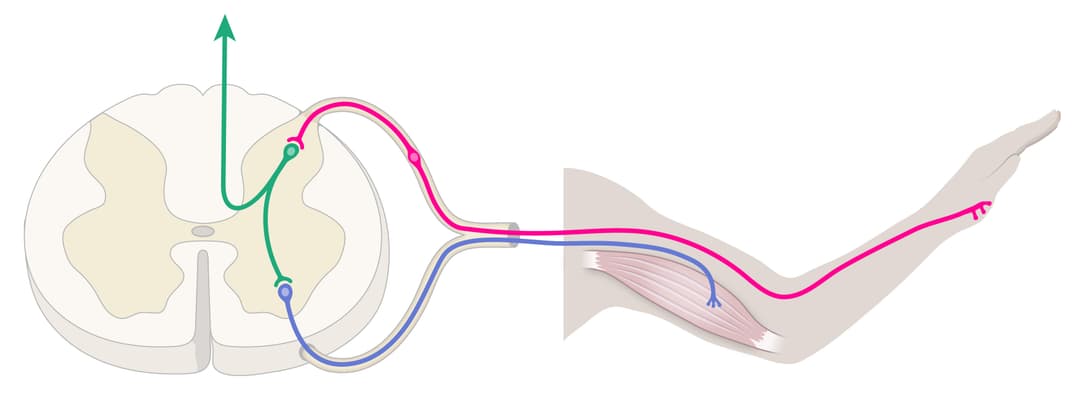
Q5.What organ is not initially involved in a reflex response?
Q6.How can the brain override some reflex responses?
Assessment exit quiz
6 Questions
Q1.Match the part of the eye to its name.
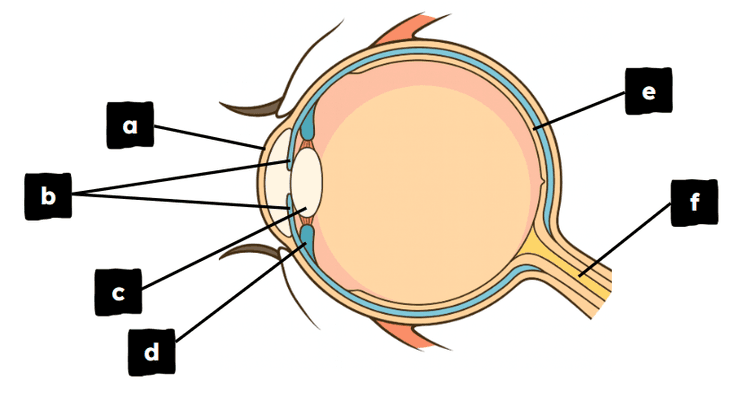

Q2.The ciliary muscles contract or relax to change the shape of the ...
Q3.Which statement correctly describes the lens and ciliary muscles if you are focusing on an object that is far away?
Q4.Put the following steps in order to describe how we see.
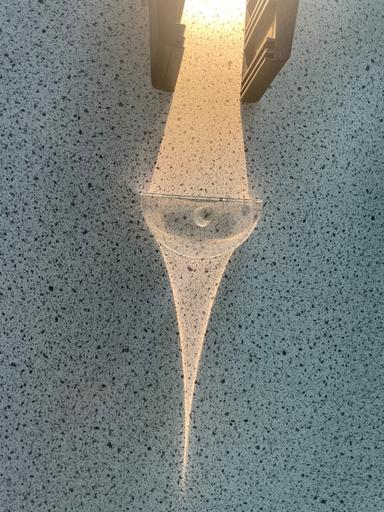
Q5.Which of the following responses happen to the eye in the dark?
Q6.How can we investigate the effect of light on pupil size?
To help you plan your 10 biology lesson on: The human eye, download all teaching resources for free and adapt to suit your pupils' needs...
To help you plan your 10 biology lesson on: The human eye, download all teaching resources for free and adapt to suit your pupils' needs.
The starter quiz will activate and check your pupils' prior knowledge, with versions available both with and without answers in PDF format.
We use learning cycles to break down learning into key concepts or ideas linked to the learning outcome. Each learning cycle features explanations with checks for understanding and practice tasks with feedback. All of this is found in our slide decks, ready for you to download and edit. The practice tasks are also available as printable worksheets and some lessons have additional materials with extra material you might need for teaching the lesson.
The assessment exit quiz will test your pupils' understanding of the key learning points.
Our video is a tool for planning, showing how other teachers might teach the lesson, offering helpful tips, modelled explanations and inspiration for your own delivery in the classroom. Plus, you can set it as homework or revision for pupils and keep their learning on track by sharing an online pupil version of this lesson.
Explore more key stage 4 biology lessons from the Coordination and control: the human nervous system unit, dive into the full secondary biology curriculum, or learn more about lesson planning.