


The genome


Lesson details
Learning outcome
I can describe what the genome is, its role and where it is stored in cells.
Key learning points
- Genetic material is stored in the nucleus of plant and animal cells, and in the cytoplasm of bacterial cells.
- Genetic material of organisms is made of a chemical substance called DNA, which is made up of smaller chemical units.
- The DNA in every cell is wound up into tightly-packed structures called chromosomes.
- Sections of chromosomes are called genes; short sections of DNA which carry instructions for features and processes.
- All the DNA in a cell is called the genome, the similarity of a genome indicates how similar individuals or species are.
Keywords
Nucleus - A structure in animal, plant and fungi cells that stores the genetic material (DNA).
DNA - A large chemical molecule made of smaller chemical groups, it carries the genetic code of all living organisms.
Chromosome - Structures made of tightly packaged DNA.
Gene - A short section of DNA that carries the genetic code to provide instructions for an inherited feature or process.
Genome - All of the DNA of an organism that codes for and controls the inherited features and processes.
Common misconception
That all DNA codes for features rather than processes that are shared by all living organisms; also that animals are the only living organism that have DNA.
Make the role of DNA in features and processes explicit, using non-animal examples. Re-iterate the common processes of living organisms, and therefore why there are similarities in the genome.
Teacher tip
Keep going back to the idea that all living organisms share common processes, the instructions for these are stored in the genetic code in the DNA.

Licence

Lesson video
Loading...
Prior knowledge starter quiz
6 Questions
Q1.All living organisms are made up of .
Q2.In which cell organelle is genetic material (DNA) stored in plant and animal cells?
Q3.Where is bacterial DNA stored?
Q4.Which of the following is NOT a life process?
Q5.True or false? Genetic information provides the instructions for life processes.
Q6.What does DNA stand for?
Assessment exit quiz
6 Questions
Q1.Genetic material is stored in the of plant and animal cells.
Q2.Match the word to its meaning.

Q3.What is this structure called?
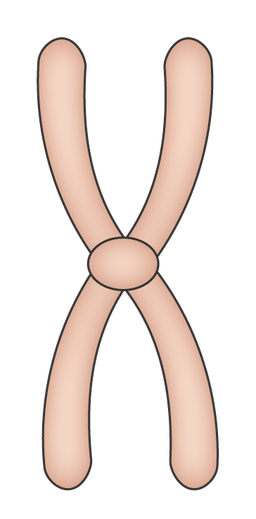
Q4.Put these in size order, starting with the smallest.
Q5.True or false? The more similar the species, the more similar their genomes.
Q6.Who is incorrect?




To help you plan your 10 biology lesson on: The genome, download all teaching resources for free and adapt to suit your pupils' needs...
To help you plan your 10 biology lesson on: The genome, download all teaching resources for free and adapt to suit your pupils' needs.
The starter quiz will activate and check your pupils' prior knowledge, with versions available both with and without answers in PDF format.
We use learning cycles to break down learning into key concepts or ideas linked to the learning outcome. Each learning cycle features explanations with checks for understanding and practice tasks with feedback. All of this is found in our slide decks, ready for you to download and edit. The practice tasks are also available as printable worksheets and some lessons have additional materials with extra material you might need for teaching the lesson.
The assessment exit quiz will test your pupils' understanding of the key learning points.
Our video is a tool for planning, showing how other teachers might teach the lesson, offering helpful tips, modelled explanations and inspiration for your own delivery in the classroom. Plus, you can set it as homework or revision for pupils and keep their learning on track by sharing an online pupil version of this lesson.
Explore more key stage 4 biology lessons from the DNA and the genome unit, dive into the full secondary biology curriculum, or learn more about lesson planning.