


Variation and genetic mutations


Lesson details
Learning outcome
I can describe how mutations change the DNA sequence in the genome causing genetic variation, which can cause heritable variation in phenotype.
Key learning points
- Some variation in phenotype is caused only by the environment and is not heritable.
- Some variation is caused by genetic material; this can be passed on to offspring via gametes or asexual reproduction.
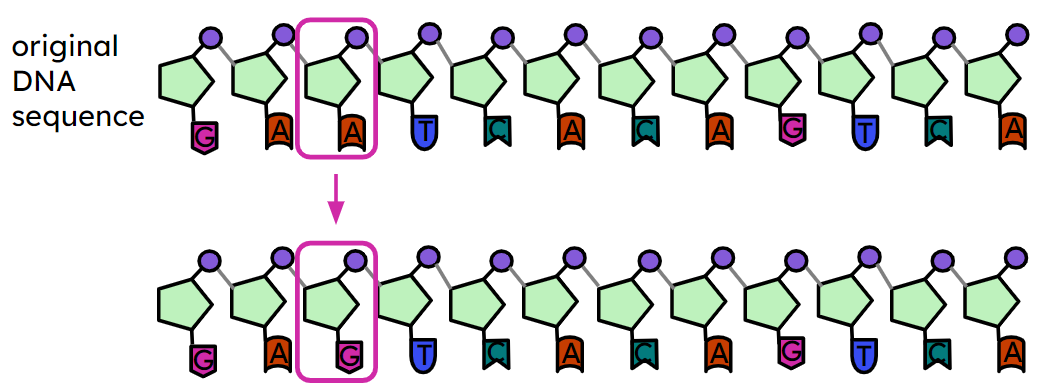
- A change in the sequence of bases in an organism's DNA is called a mutation and creates a genetic variant.
- Mutations happen at random (caused by carcinogens, or by ionising radiation, or by errors when DNA is copied).
- Most mutations have no effect on phenotype, some influence phenotype, and a few determine phenotype.
Keywords
Phenotype - The observable traits of an organism.
Variation - Differences between members of the same species.
DNA - A large chemical molecule made of nucleotides. It carries the genetic code of all living organisms.
Mutation - A change in the nucleotide base sequence in the DNA of the genome.
Genetic variant - A region of DNA in which the sequence of nucleotide bases has been changed.
Common misconception
Students have many misconceptions about DNA including, for example, that DNA is alive.
This lesson includes dual coded diagrams of DNA to help avoid embedding misconceptions.
Teacher tip
If your school has a 3D model of DNA that can be broken down to the individual molecules which make up nucleotides this would be really valuable to bring to the lesson. Consider changing the bases on certain nucleotides to represent a mutation in the genetic code.

Equipment
None required.

Content guidance
Depiction or discussion of sexual content

Supervision
Adult supervision required

Licence

Lesson video
Loading...
Prior knowledge starter quiz
6 Questions
Q1.What is the scientific term for differences between members of the same species?
Q2.The genetic material of all organisms is made of a large molecule called .
Q3.Join each term to its correct meaning.

Q4.Genes are sections of DNA that store the genetic code for making __________ .
Q5.Which of these examples of variation is caused by the organism’s genetic material?

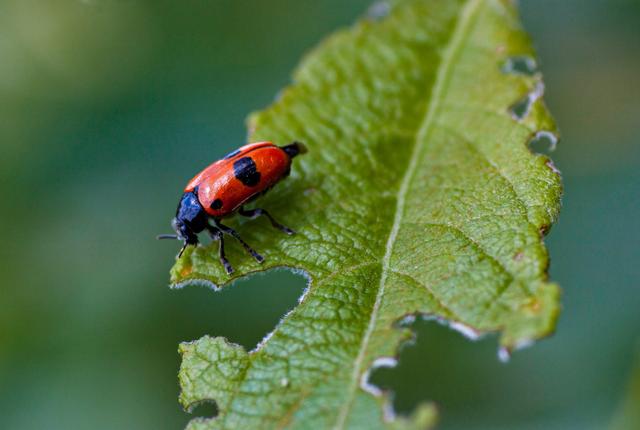
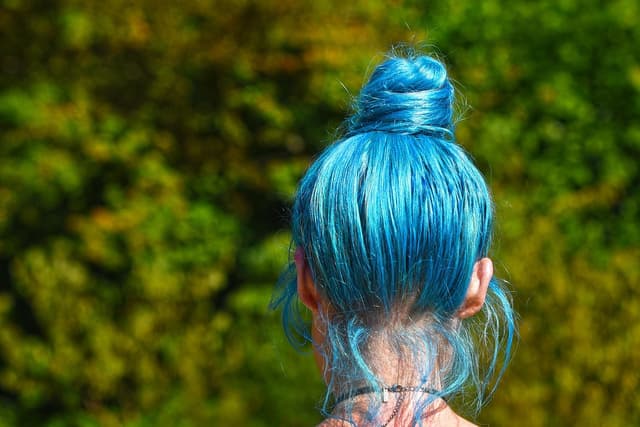
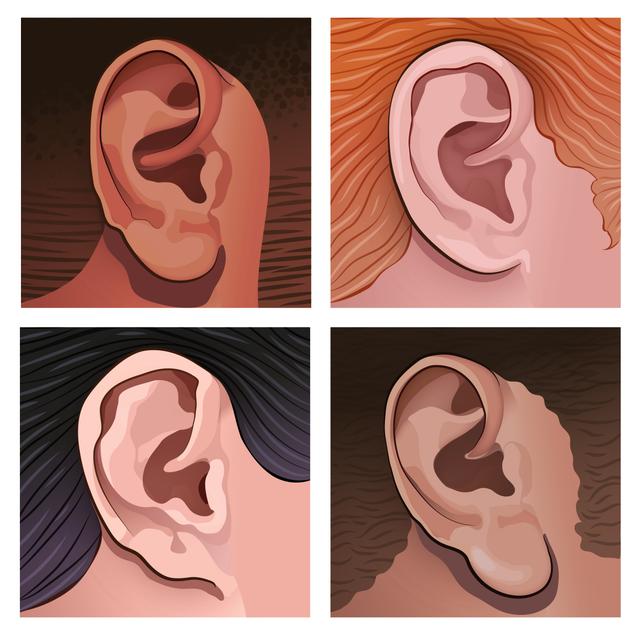
Q6.Which of these examples of variation could be passed from a parent to their offspring?
Assessment exit quiz
6 Questions
Q1.Which of these examples of variation is heritable?


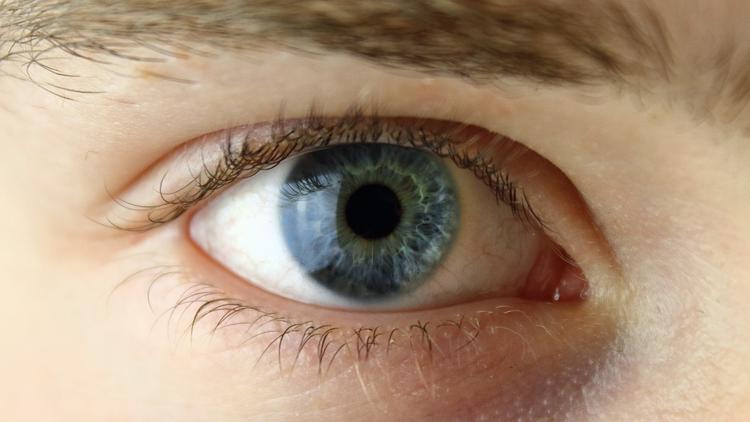

Q2.Which of these examples of variation is influenced by the organism’s genetic material and its lifestyle?
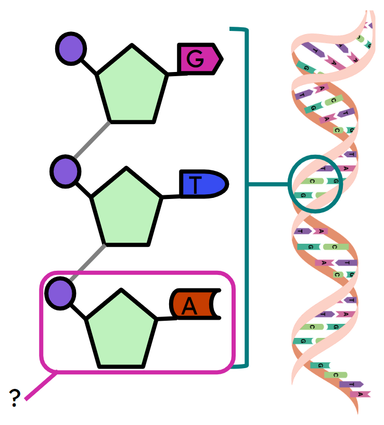
Q3.DNA is a polymer made up of ...
Q4.The original DNA sequence has been changed by a , which has created a genetic variant.
Q5.Who is correct?
Q6.Put the statements in the correct order to explain how a mutation can affect an organism’s phenotype.
To help you plan your 11 biology lesson on: Variation and genetic mutations, download all teaching resources for free and adapt to suit your pupils' needs...
To help you plan your 11 biology lesson on: Variation and genetic mutations, download all teaching resources for free and adapt to suit your pupils' needs.
The starter quiz will activate and check your pupils' prior knowledge, with versions available both with and without answers in PDF format.
We use learning cycles to break down learning into key concepts or ideas linked to the learning outcome. Each learning cycle features explanations with checks for understanding and practice tasks with feedback. All of this is found in our slide decks, ready for you to download and edit. The practice tasks are also available as printable worksheets and some lessons have additional materials with extra material you might need for teaching the lesson.
The assessment exit quiz will test your pupils' understanding of the key learning points.
Our video is a tool for planning, showing how other teachers might teach the lesson, offering helpful tips, modelled explanations and inspiration for your own delivery in the classroom. Plus, you can set it as homework or revision for pupils and keep their learning on track by sharing an online pupil version of this lesson.
Explore more key stage 4 biology lessons from the Variation and natural selection at the genetic level unit, dive into the full secondary biology curriculum, or learn more about lesson planning.