


Animal cells: common structures and specialised cells


Lesson details
Learning outcome
You can identify common structures of animal cells and describe how some specialised cells in animals are adapted for the jobs the cells do.
Key learning points
- The animal cell model describes the common structures of animal cells.
- These structures include the cytoplasm, cell membrane, nucleus and mitochondria. Each structure has a specific function.
- Specialised cells in animals have shapes, sizes and structures that are adapted for the jobs the cells do.
- Examples of specialised animal cells include blood cells and nerve cells.
Keywords
Cytoplasm - A jelly-like substance containing dissolved nutrients and salts where many chemical reactions happen.
Cell membrane - A partially permeable structure that surrounds the cell; it controls the movement of substances into and out of the cell.
Nucleus - A sub-cellular structure that contains genetic material, which controls cellular activities.
DNA - A molecule found in the nucleus of cells and contains the genetic code for making proteins.
Mitochondria - Sub-cellular structures that contain the enzymes for respiration, and is where most energy is released in respiration.
Common misconception
All animal cells are the same as the model animal cell. Energy is created during respiration.
The model animal cell simplifies the complex structure of animal cells. There are specialised animal cells that have different shapes and sub-cellular structures to help them carry out a specific function. Energy is transferred through respiration.
Teacher tip
If students cannot remember the subcellular structures, consider labelling the sub-cellular structures in Task A before learning about the function. Consider using an analogy for describing what structure and function are; different types of car and their structures.

Licence

Lesson video
Loading...
Prior knowledge starter quiz
6 Questions
Q1.What does this picture show?
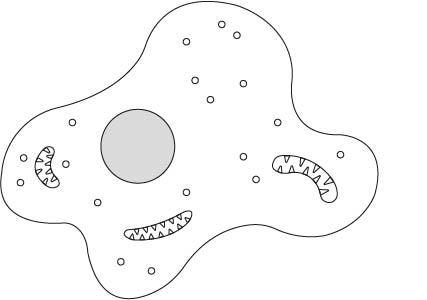
Q2.Which of the following is not a sub-cellular structure?
Q3.Name the gas that is transported around the body inside the red blood cells?
Q4.What is the name of the genetic material found inside the nucleus?
Q5.Which cellular process takes place inside the mitochondria?
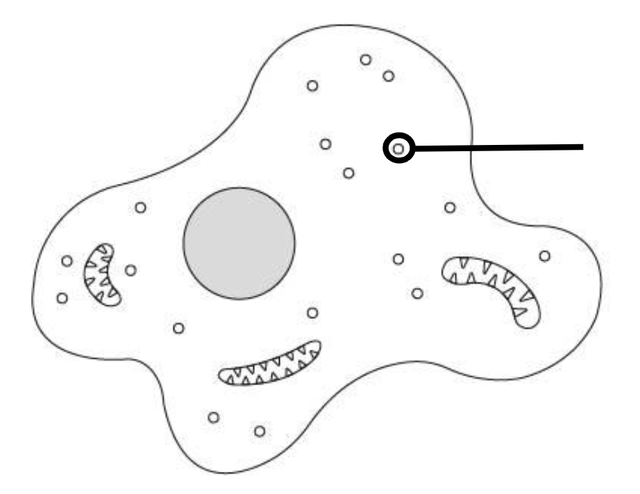
Q6.Which structure is labelled below?
Assessment exit quiz
6 Questions
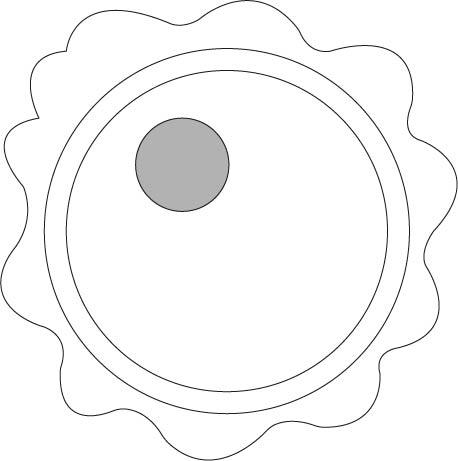
Q1.What is this specialised cell?
Q2.Match the sub-cellular structure to their function.

Q3.Which of the following are true for a ciliated cell?
Q4.Which are adaptions of a nerve cell?
Q5.Match each specialised cell to their correct features.
Q6.Which of the following are true?
To help you plan your 10 biology lesson on: Animal cells: common structures and specialised cells, download all teaching resources for free and adapt to suit your pupils' needs...
To help you plan your 10 biology lesson on: Animal cells: common structures and specialised cells, download all teaching resources for free and adapt to suit your pupils' needs.
The starter quiz will activate and check your pupils' prior knowledge, with versions available both with and without answers in PDF format.
We use learning cycles to break down learning into key concepts or ideas linked to the learning outcome. Each learning cycle features explanations with checks for understanding and practice tasks with feedback. All of this is found in our slide decks, ready for you to download and edit. The practice tasks are also available as printable worksheets and some lessons have additional materials with extra material you might need for teaching the lesson.
The assessment exit quiz will test your pupils' understanding of the key learning points.
Our video is a tool for planning, showing how other teachers might teach the lesson, offering helpful tips, modelled explanations and inspiration for your own delivery in the classroom. Plus, you can set it as homework or revision for pupils and keep their learning on track by sharing an online pupil version of this lesson.
Explore more key stage 4 biology lessons from the Eukaryotic and prokaryotic cells unit, dive into the full secondary biology curriculum, or learn more about lesson planning.