


Heating curves: practical


Lesson details
Learning outcome
I can collect data reliably and represent it appropriately.
Key learning points
- An investigation can measure the temperature change through continuous heating of a substance.
- Heating curve observations are best presented in a table and graphically.
- Reliable data can be collected by taking repeat measurements, identifying anomalies and calculating a mean.
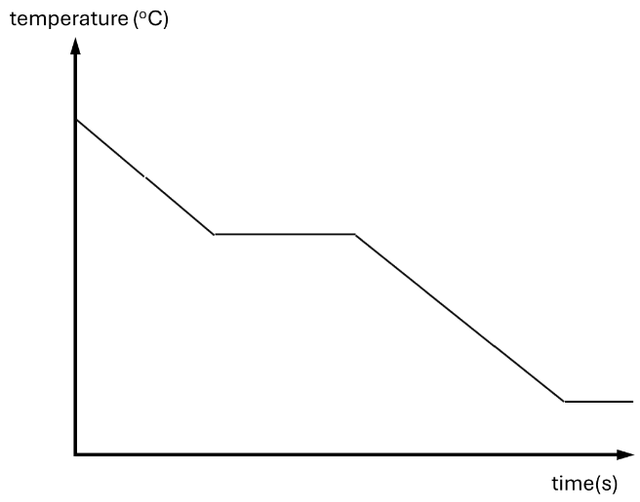
- Heating curves can be used to determine the melting point of a substance.
Keywords
Independent variable - the single variable that is changed in an investigation
Dependent variable - the single variable that is measured or observed in an investigation
Control variable - all variables, other than the independent and dependent variables, that are kept the same in an investigation
Common misconception
Pupils can often think that when the temperature is not increasing, i.e. at a change of state, that the experiment is 'not working'.
Question students whilst circulating the class about what they would expect to see and try to get them to imagine what is happening to the particles. Use the heating curve to explain why the temperature did not increase during state changes.
Teacher tip
Practice the experiment before you teach this lesson to ensure that the necessary time needed to perform the practical has been estimated. This practical could also be carried out as a cooling curve where pupils melt a sample and allow it to cool measuring its temperature of over a period of time.

Equipment
bunsen burner, tripod, beaker for water bath, gauze, heat resistant mat, clamp and stand, thermometer, boiling tube, substances to heat e.g. stearic acid, salol, graph paper

Content guidance
Risk assessment required - equipment

Supervision
Adult supervision required

Licence

Lesson video
Loading...
Prior knowledge starter quiz
6 Questions
Q1.Which of these are essential things you need to do when planning an experiment?
Q2.Put the following steps in order to describe a method for collecting data to plot a heating curve of the solid substance shown in the boiling tube. Begin with 'collect all the equipment'.
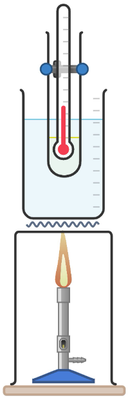
Q3.What is a gauze used for? On this diagram, it is represented by the wavy line between the tripod and the beaker.
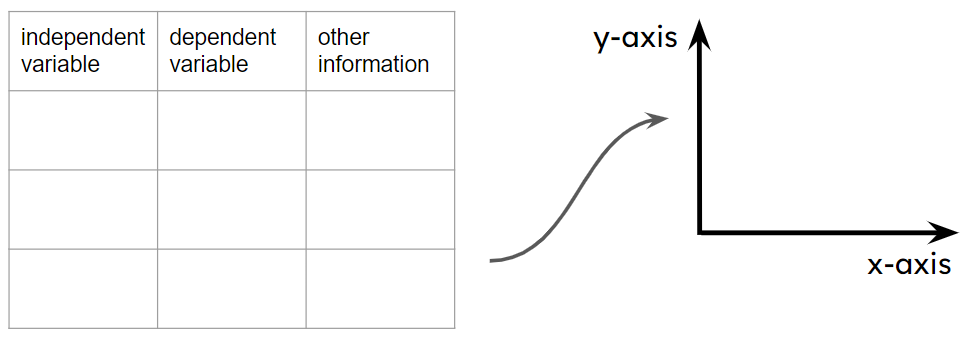
Q4.A table for results should include columns to record independent and dependent variables and and other necessary information. The dependent variable is usually recorded in the column.
Q5.Which safety precautions are needed for a heating curve experiment, in which a solid is melted in a water bath, with its temperature measured over time?
Q6.When transferring information from a results table to a graph, which variable should be plotted along the x-axis?
Assessment exit quiz
6 Questions
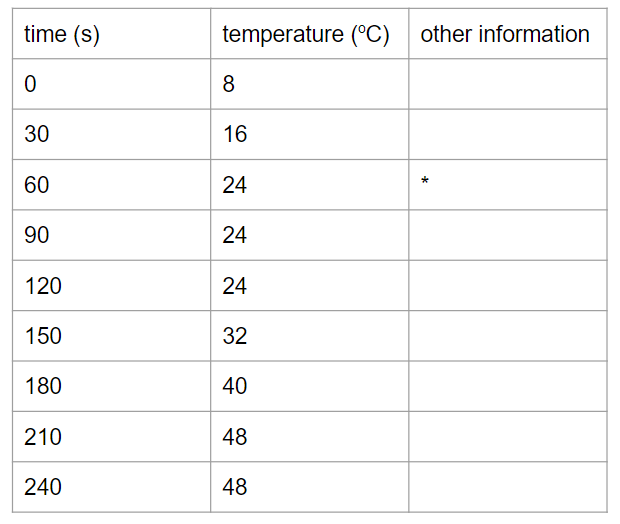
Q1.The table shows data from a heating curve experiment. What is the main reason why it is helpful to plot a graph of these results?
Q2.Match the key terms to their definitions.

Q3.What can you do to improve the reliability of a set of results?
Q4.The table shows data from a heating curve experiment. What would be useful other information to record for each measurement?
Q5.The image shows a results table from either a heating or a cooling curve experiment, and from either a pure substance or a mixture. Which of the following statements is true?
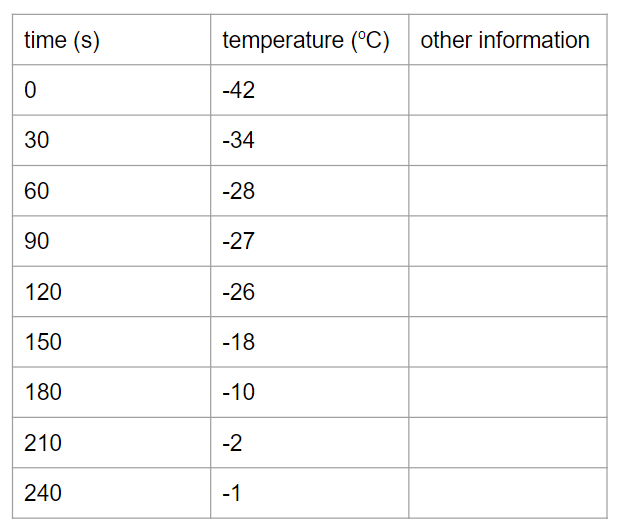
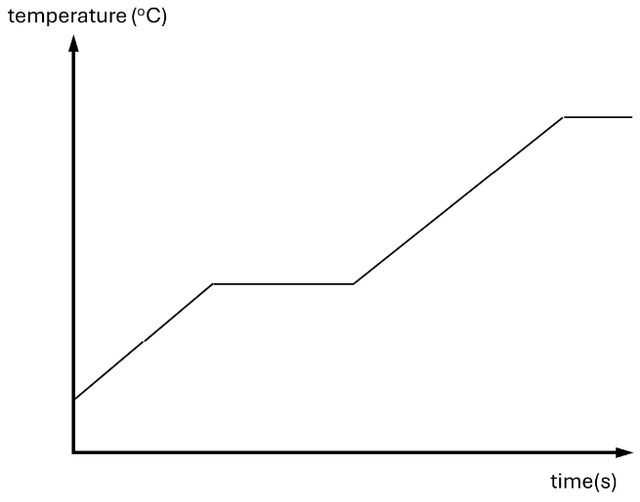
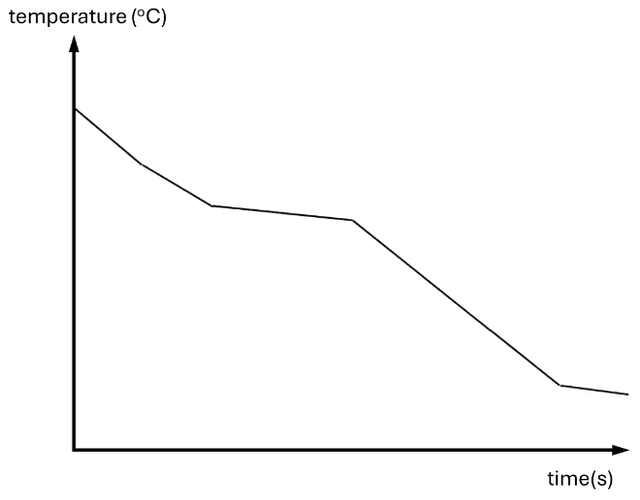
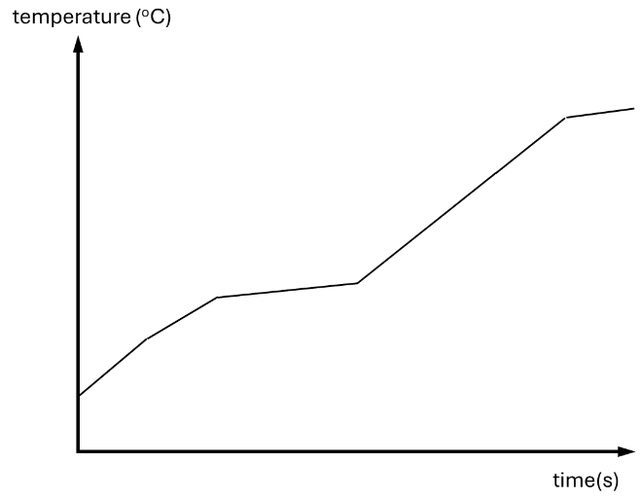
Q6.Considering the data in the table at the start of the experiment, which graph would be the most likely to represent the results for the whole experiment?
To help you plan your 10 chemistry lesson on: Heating curves: practical, download all teaching resources for free and adapt to suit your pupils' needs...
To help you plan your 10 chemistry lesson on: Heating curves: practical, download all teaching resources for free and adapt to suit your pupils' needs.
The starter quiz will activate and check your pupils' prior knowledge, with versions available both with and without answers in PDF format.
We use learning cycles to break down learning into key concepts or ideas linked to the learning outcome. Each learning cycle features explanations with checks for understanding and practice tasks with feedback. All of this is found in our slide decks, ready for you to download and edit. The practice tasks are also available as printable worksheets and some lessons have additional materials with extra material you might need for teaching the lesson.
The assessment exit quiz will test your pupils' understanding of the key learning points.
Our video is a tool for planning, showing how other teachers might teach the lesson, offering helpful tips, modelled explanations and inspiration for your own delivery in the classroom. Plus, you can set it as homework or revision for pupils and keep their learning on track by sharing an online pupil version of this lesson.
Explore more key stage 4 chemistry lessons from the States of matter unit, dive into the full secondary chemistry curriculum, or learn more about lesson planning.