


Polymer structures


Lesson details
Learning outcome
I can describe the structure and properties of a polymer.
Key learning points
- Polymers are very large covalent molecules (not giant structures)
- Polymers can be represented by showing repeated units
- Polymers consist of repeating and identical sections called monomers
- Polymers are solid at room temperature because the intermolecular forces between polymer molecules are relatively strong
Keywords
Polymer - Polymers are long-chained molecules formed by joining together monomers.
Monomer - Monomers are small molecules that can join together to form a polymer.
Repeating unit - The section of a polymer that repeats is known as the repeating unit.
Intermolecular forces - Intermolecular forces are weak forces of attraction between molecules, and molecular substances.
Common misconception
Not including the bonds either side of the repeating unit.
The slide deck states the need for open bonds to show how repeating units are bonded to each other.
Teacher tip
Molymods are useful for showing how the C=C bond in monomers opens up allowing monomers to join together to form a polymer.

Equipment
Molymods (optional).

Licence

Lesson video
Loading...
Prior knowledge starter quiz
6 Questions
Q1.Which type of bond is present in alkenes that is not present in alkanes?
Q2.Which type of bond involves the sharing of electrons between atoms?
Q3.Which of the following is a simple covalent molecule?
Q4.Which of the following properties do simple covalent molecules have in common?
Q5.Why do simple covalent molecules generally have low boiling points?
Q6.Match the following key terms to their definition.

Assessment exit quiz
6 Questions
Q1.What is the key term used to describe the small molecules that can join together to form a polymer?
Q2.Which of the following is the term for the reaction that forms polymers from monomers?
Q3.What are polymers?
Q4.What is shown in the image?
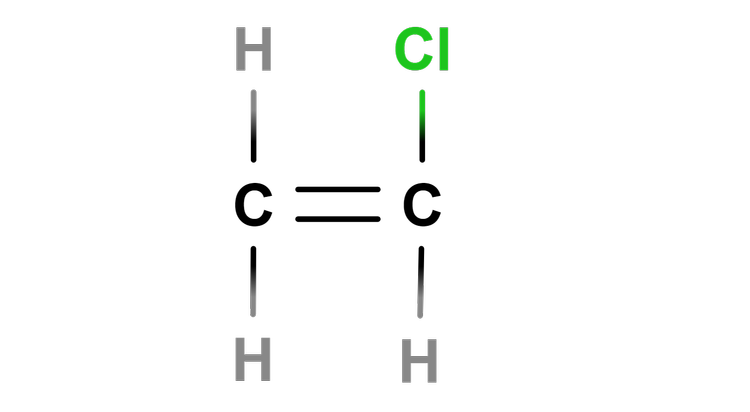
Q5.Which of the following types of bond is found within the repeating units of a polymer formed from alkenes?
Q6.Why are polymers solid at room temperature?
To help you plan your 11 chemistry lesson on: Polymer structures, download all teaching resources for free and adapt to suit your pupils' needs...
To help you plan your 11 chemistry lesson on: Polymer structures, download all teaching resources for free and adapt to suit your pupils' needs.
The starter quiz will activate and check your pupils' prior knowledge, with versions available both with and without answers in PDF format.
We use learning cycles to break down learning into key concepts or ideas linked to the learning outcome. Each learning cycle features explanations with checks for understanding and practice tasks with feedback. All of this is found in our slide decks, ready for you to download and edit. The practice tasks are also available as printable worksheets and some lessons have additional materials with extra material you might need for teaching the lesson.
The assessment exit quiz will test your pupils' understanding of the key learning points.
Our video is a tool for planning, showing how other teachers might teach the lesson, offering helpful tips, modelled explanations and inspiration for your own delivery in the classroom. Plus, you can set it as homework or revision for pupils and keep their learning on track by sharing an online pupil version of this lesson.
Explore more key stage 4 chemistry lessons from the Using Earth's resources unit, dive into the full secondary chemistry curriculum, or learn more about lesson planning.