


The effect of pH on the rate of an enzyme reaction: plan


Lesson details
Learning outcome
I can write a testable prediction and plan an investigation into the effect of changing pH on the rate of an enzyme reaction.
Key learning points
- Planning an investigation into the effect of pH on the rate at which amylase enzyme breaks down starch into maltose
- Writing an aim for the investigation, and a testable prediction
- Identifying independent and dependent variables, and which factors to control
- Planning a method, to include use of iodine in continuous sampling to indicate when all starch has been broken down
- Identifying hazards and risks, and how to limit them
Keywords
PH - A measure of how acidic or alkaline a solution is.
Rate of reaction - How fast a chemical reaction occurs.
Starch - A carbohydrate, which is a polysaccharide (a polymer of sugar).
Amylase - An enzyme that breaks down starch into maltose (a type of sugar).
Continuous sampling - A method that involves taking regular and frequent samples.
Common misconception
Misconceptions mixing aim and prediction or leaving them vague, writing a method which is unclear, and analysing hazards and their risks.
Approaches for stating aims and predictions, writing a method and dealing with variables, and analysing hazards and their risk are all covered with examples and practice tasks.
Teacher tip
Use real practical equipment to demonstrate the methodology of continuous sampling, and to help pupils analyse risk effectively. Ask pupils to handle the equipment and consider how they might use it, so they can approach the tasks with workable ideas.

Licence

Lesson video
Loading...
Prior knowledge starter quiz
6 Questions
Q1.Which of the following is starch made from?
Q2.Which of the following is an enzyme?
Q3.Which of the following can the pH of a substance tell us?
Q4.What substance does iodine test for the presence of?
Q5.Which of the following can be used to calculate the rate of a reaction?
Q6.Which of the following describes the meaning of continuous sampling in the context of an experiment?
Assessment exit quiz
6 Questions
Q1.What does the enzyme amylase break down starch into?
Q2.A pupil investigates the effect of pH on the rate of amylase activity as it digests starch into maltose.
Which of the following is the independent variable in this investigation?
Q3.Match the key words to their definitions.

Q4.A is a statement of what we expect to happen in an experiment
Q5.When testing a food sample for the presence of starch, how do you know when all of the starch has been broken down?
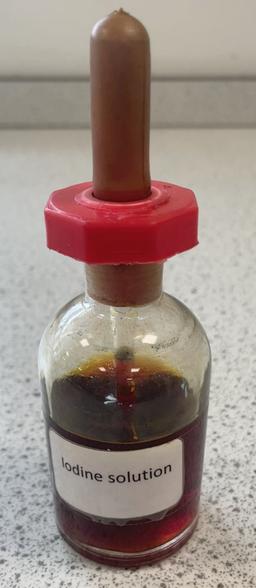
Q6.A pupil investigates the effect of pH on the rate of amylase activity as it digests starch into maltose.
Which of the following are control variables in this investigation?
To help you plan your 10 combined science lesson on: The effect of pH on the rate of an enzyme reaction: plan, download all teaching resources for free and adapt to suit your pupils' needs...
To help you plan your 10 combined science lesson on: The effect of pH on the rate of an enzyme reaction: plan, download all teaching resources for free and adapt to suit your pupils' needs.
The starter quiz will activate and check your pupils' prior knowledge, with versions available both with and without answers in PDF format.
We use learning cycles to break down learning into key concepts or ideas linked to the learning outcome. Each learning cycle features explanations with checks for understanding and practice tasks with feedback. All of this is found in our slide decks, ready for you to download and edit. The practice tasks are also available as printable worksheets and some lessons have additional materials with extra material you might need for teaching the lesson.
The assessment exit quiz will test your pupils' understanding of the key learning points.
Our video is a tool for planning, showing how other teachers might teach the lesson, offering helpful tips, modelled explanations and inspiration for your own delivery in the classroom. Plus, you can set it as homework or revision for pupils and keep their learning on track by sharing an online pupil version of this lesson.
Explore more key stage 4 combined science lessons from the Biological molecules and enzymes unit, dive into the full secondary combined science curriculum, or learn more about lesson planning.