


The evolution of new species


Lesson details
Learning outcome
I can explain how natural selection can lead to the evolution of new species.
Key learning points
- The theory of evolution by natural selection suggests that all modern species evolved from earlier species.
- Natural selection causes each generation of a species to become better adapted to its environment.
- Natural selection can cause common features of a population to change so much that we classify them as a new species.
- Populations of the same species living in different conditions can evolve to become separate species.
- An example of speciation of populations living in different conditions (e.g. Galápagos tortoises).
Keywords
Species - A group of similar organisms that can reproduce and produce fertile offspring.
Speciation - When natural selection causes new species to form.
Natural selection - Organisms that are better adapted to their environment are more likely to survive, reproduce and pass on their genes to their offspring.
Adaptation - A feature that organisms have that helps them live in a particular place and survive.
Common misconception
Students often think that animals choose to adapt themselves to their environment.
The language in this lesson has been specifically chosen to avoid embedding this misconception and CfUs help expose this misconception in student thinking.
Teacher tip
An issue students have when understanding the theory of evolution by natural selection is comprehending the timescale evolution takes place over. Some examples of evolution can take place in a few generations but the evolution of all life on earth from a single species took billions of years.

Licence

Lesson video
Loading...
Prior knowledge starter quiz
6 Questions
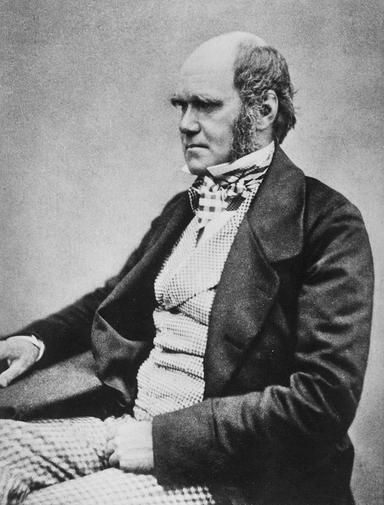
Q1.What theory did Charles Darwin propose?
Q2.Which of the following is not a stage of natural selection?
Q3.What is the process by which evolution takes place?
Q4.What evidence can be used to look at how species have changed overtime?
Q5.Match the word to its meaning.

Q6.Put these steps in order to show how natural selection takes place.
Assessment exit quiz
6 Questions
Q1.True or false? The theory of evolution by natural selection suggests that all modern species evolved from earlier species.
Q2.When natural selection causes a new species to form we say has taken place?
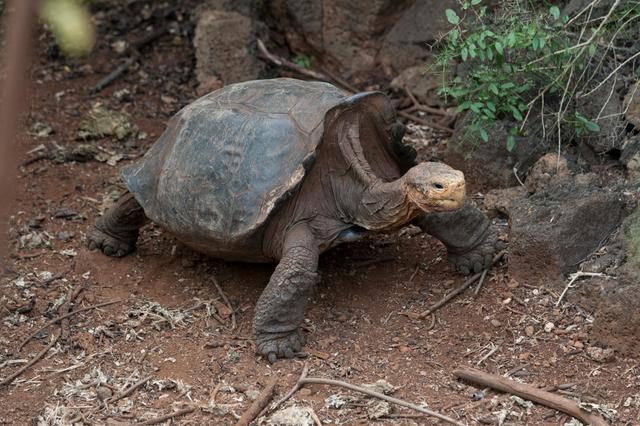
Q3.Which of the following is why some Galápagos tortoises have saddle-shaped shells?
Q4.True or false? DNA can be used to help establish relationships between organisms.
Q5.Put these in order to show the process of speciation.
Q6.Which of the following is not a geographical barrier that mean species can become isolated?
To help you plan your 10 combined science lesson on: The evolution of new species, download all teaching resources for free and adapt to suit your pupils' needs...
To help you plan your 10 combined science lesson on: The evolution of new species, download all teaching resources for free and adapt to suit your pupils' needs.
The starter quiz will activate and check your pupils' prior knowledge, with versions available both with and without answers in PDF format.
We use learning cycles to break down learning into key concepts or ideas linked to the learning outcome. Each learning cycle features explanations with checks for understanding and practice tasks with feedback. All of this is found in our slide decks, ready for you to download and edit. The practice tasks are also available as printable worksheets and some lessons have additional materials with extra material you might need for teaching the lesson.
The assessment exit quiz will test your pupils' understanding of the key learning points.
Our video is a tool for planning, showing how other teachers might teach the lesson, offering helpful tips, modelled explanations and inspiration for your own delivery in the classroom. Plus, you can set it as homework or revision for pupils and keep their learning on track by sharing an online pupil version of this lesson.
Explore more key stage 4 combined science lessons from the Fossil evidence, selective breeding and explaining evolution unit, dive into the full secondary combined science curriculum, or learn more about lesson planning.