


Bacterial and viral diseases in humans: TB, cholera, Helicobacter and Ebola


Lesson details
Learning outcome
I can describe examples of common bacterial and viral diseases in humans, how they are spread, and ways to reduce the spread.
Key learning points
- Some, but not all, bacteria are pathogens that can cause communicable diseases in humans.
- Pathogenic bacteria produce toxins that damage living tissue and cause disease.
- Cholera, TB and Helicobacter stomach ulcers as example; how they are spread, and how the spread can be reduced.
- Viruses invade cells to reproduce where they cause damage to cells.
- Ebola as an example of a viral disease; how it is spread, and how the spread can be reduced.
Keywords
Bacteria - single celled prokaryotes
Pathogen - a microorganism that causes disease
Communicable disease - a disease that can be spread from one organism to another
Toxin - a poison made by bacteria
Virus - an infectious agent
Common misconception
Pupils may believe that viruses are alive.
Viruses are not cells. They do not carry out many of the processes of living organisms such as replication and respiration.
Teacher tip
When teaching Ebola, stress that most outbreaks have been in African countries. The virus often affects health workers as they are constantly exposed to bodily fluids, vomit and faeces of patients.

Equipment
None required.

Content guidance
Depiction or discussion of sensitive content
Depiction or discussion of violence or suffering

Supervision
Adult supervision required

Licence

Lesson video
Loading...
Prior knowledge starter quiz
6 Questions
Q1.Match the type of disease to its description.

Q2.Which diseases are non-communicable?
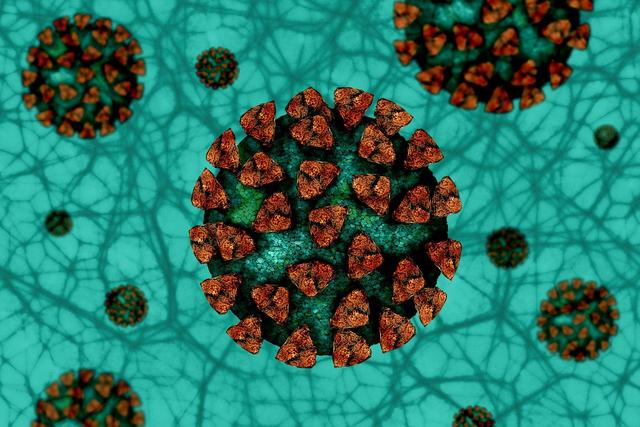
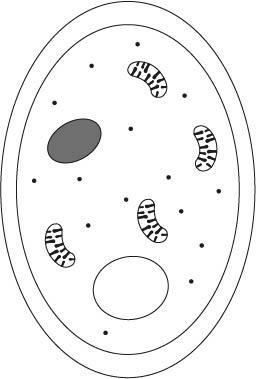
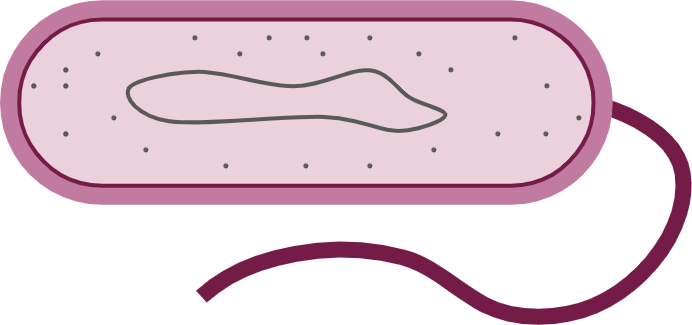
Q3.Which picture shows a bacterium?
Q4.Match the word to its definition.
Q5.Which of the following can be pathogens?
Q6.Which option best defines what a vaccination is?
Assessment exit quiz
6 Questions
Q1.Pathogenic bacteria can produce that damage living tissue and cause disease.
Q2.Which disease is caused by a virus?
Q3.Which disease is there not a vaccine for?
Q4.Match the disease to how its primary mode of transmission.
Q5.Put the steps in order to show how a virus replicates using a host cell.

Q6.What is the best way to stop the spread of TB?
To help you plan your 10 combined science lesson on: Bacterial and viral diseases in humans: TB, cholera, Helicobacter and Ebola, download all teaching resources for free and adapt to suit your pupils' needs...
To help you plan your 10 combined science lesson on: Bacterial and viral diseases in humans: TB, cholera, Helicobacter and Ebola, download all teaching resources for free and adapt to suit your pupils' needs.
The starter quiz will activate and check your pupils' prior knowledge, with versions available both with and without answers in PDF format.
We use learning cycles to break down learning into key concepts or ideas linked to the learning outcome. Each learning cycle features explanations with checks for understanding and practice tasks with feedback. All of this is found in our slide decks, ready for you to download and edit. The practice tasks are also available as printable worksheets and some lessons have additional materials with extra material you might need for teaching the lesson.
The assessment exit quiz will test your pupils' understanding of the key learning points.
Our video is a tool for planning, showing how other teachers might teach the lesson, offering helpful tips, modelled explanations and inspiration for your own delivery in the classroom. Plus, you can set it as homework or revision for pupils and keep their learning on track by sharing an online pupil version of this lesson.
Explore more key stage 4 combined science lessons from the Health and disease unit, dive into the full secondary combined science curriculum, or learn more about lesson planning.