


Fabric joining and cutting techniques


Lesson details
Learning outcome
I can explain how to thread a needle and sew a run of stitches.
Key learning points
- There are different types of stitches called back stitch and blanket stitch.
- Folding thread in half helps to thread the needle.
- Beginning a run of stitches can be secured by repeating a stitch.
- Ending a run of stitches can be secured by repeating a stitch.
Keywords
Thread (noun) - a thin piece of string used to sew
Thread (verb) - pass through a small hole
Blanket stitch - a decorative edging stitch
Back stitch - a reverse stitch creating a solid line
Run - a completed line of stitches
Common misconception
Sewing consists of one type of stitch whereby the thread is passed in and out of the fabric.
There are different types of stitches, which require different movements of the needle and thread.
Teacher tip
Pupils may be instructed to knot the thread if they have sewing experience and they have been previously taught to do so.

Equipment
Please see additional materials document for a list of equipment and resources needed for this lesson.

Content guidance
Risk assessment required - equipment

Supervision
Adult supervision required

Licence

Lesson video
Loading...
Prior knowledge starter quiz
6 Questions
Q1.Which of these is a way to join fabric?

Q2.Which tool would you use for sewing?
Q3.Which of these is made from fabric?
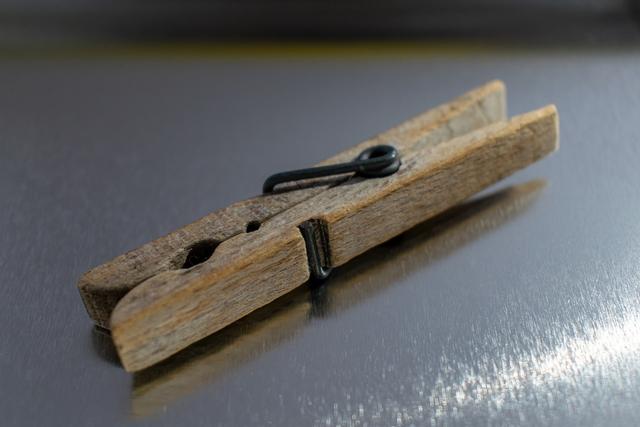
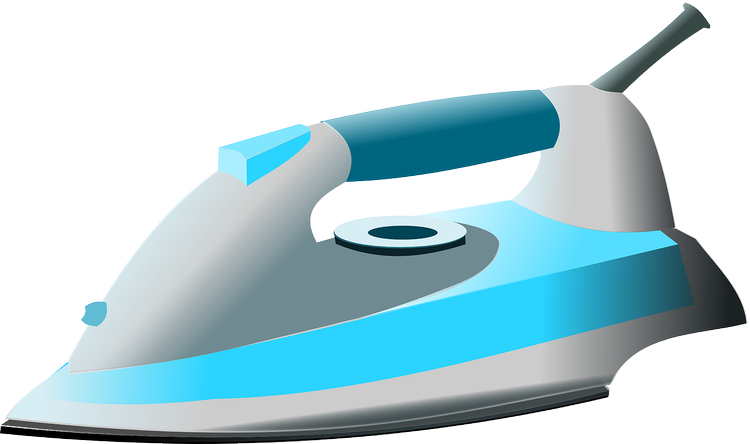

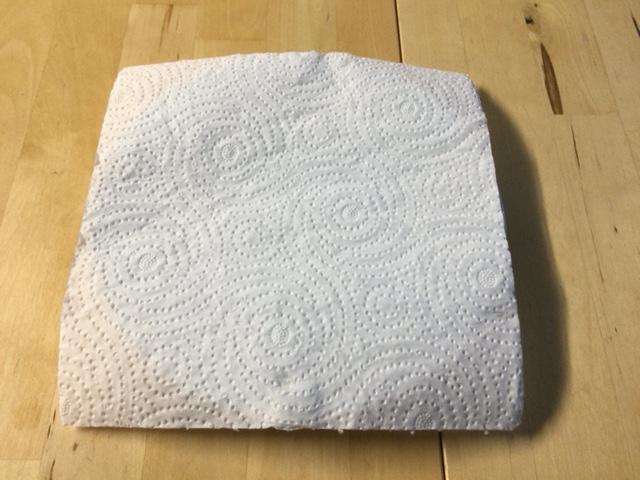
Q4.Why should needles be carried around in a box or pouch?
Q5.What job does this object do?
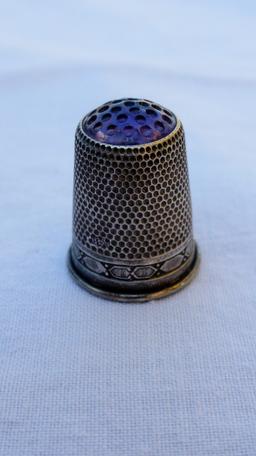
Q6.Which of these fabrics comes from a plant?
Assessment exit quiz
6 Questions
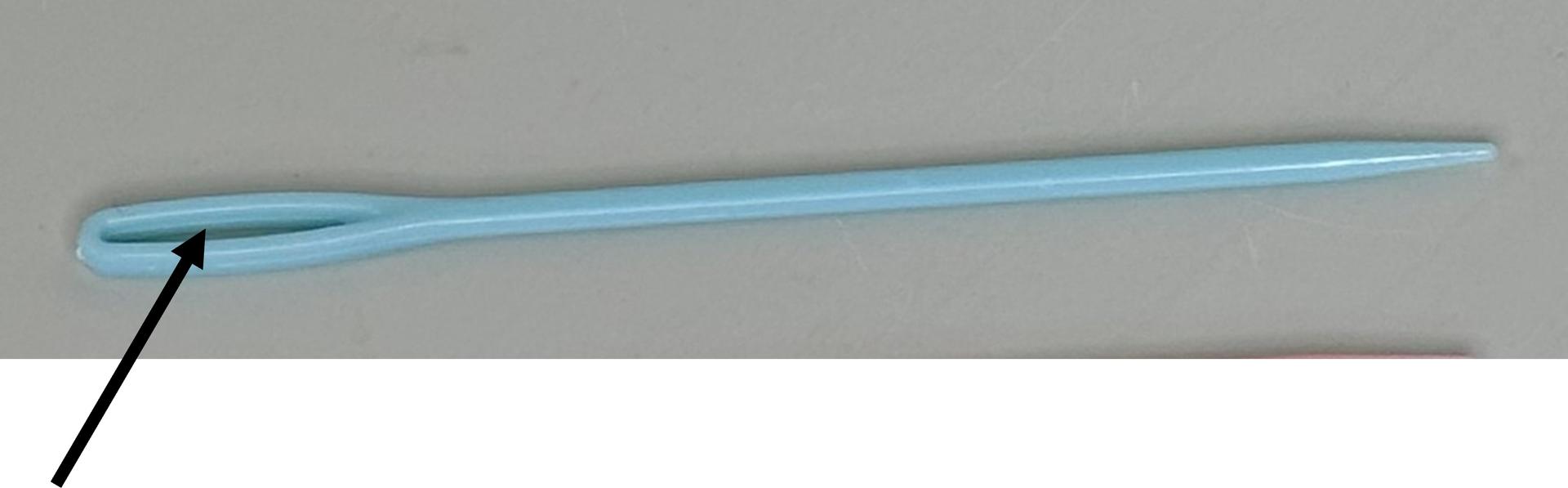
Q1.What is this part of a needle called?
Q2.Sewing is a method of __________ fabric.
Q3.What do we call a completed row of stitching?
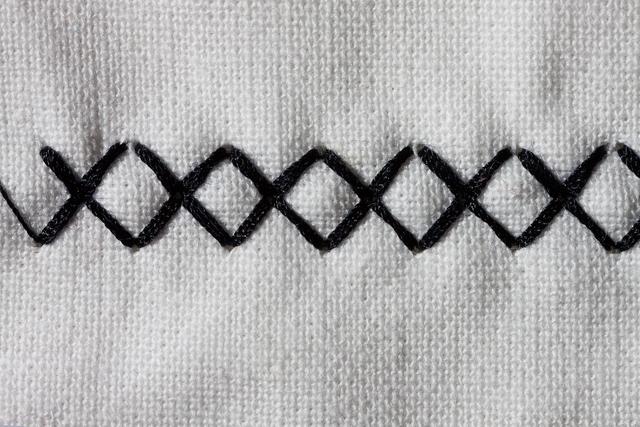
Q4.Which of these describes a back stitch?
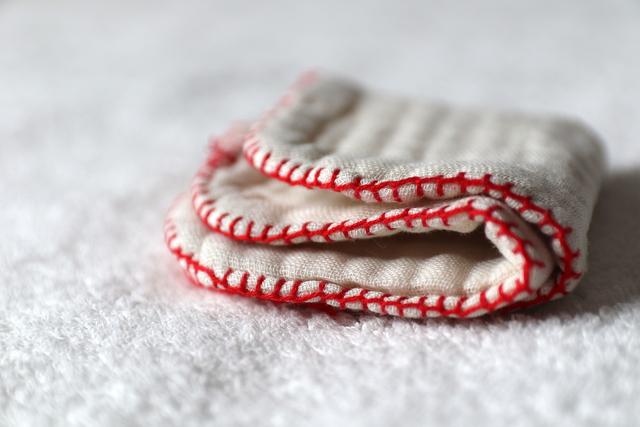
Q5.Which of these is a blanket stitch?
Q6.Order these steps to sew a run of stitches.
To help you plan your 3 design and technology lesson on: Fabric joining and cutting techniques, download all teaching resources for free and adapt to suit your pupils' needs...
To help you plan your 3 design and technology lesson on: Fabric joining and cutting techniques, download all teaching resources for free and adapt to suit your pupils' needs.
The starter quiz will activate and check your pupils' prior knowledge, with versions available both with and without answers in PDF format.
We use learning cycles to break down learning into key concepts or ideas linked to the learning outcome. Each learning cycle features explanations with checks for understanding and practice tasks with feedback. All of this is found in our slide decks, ready for you to download and edit. The practice tasks are also available as printable worksheets and some lessons have additional materials with extra material you might need for teaching the lesson.
The assessment exit quiz will test your pupils' understanding of the key learning points.
Our video is a tool for planning, showing how other teachers might teach the lesson, offering helpful tips, modelled explanations and inspiration for your own delivery in the classroom. Plus, you can set it as homework or revision for pupils and keep their learning on track by sharing an online pupil version of this lesson.
Explore more key stage 2 design and technology lessons from the 2D shapes to 3D products: stationery storage unit, dive into the full primary design and technology curriculum, or learn more about lesson planning.