


Cam mechanisms


Lesson details
Learning outcome
I can identify how cams create movement.
Key learning points
- Cams usually convert rotary motion into linear motion.
- Rotary motion is movement that goes round.
- Oscillating motion is moving to and fro around a pivot point, as in a lever.
- Reciprocating motion is a backwards and forwards movement in a straight line, as in a slider.
Keywords
Cam - a mechanism that changes one type of movement to another
Rotary - movement that goes round in a circle
Linear - movement in a straight line
Reciprocating - backwards and forwards movement in a straight line, as in a slider
Oscillating - moving back and forth along a curved path
Common misconception
All cams create the same movement.
The size, shape and position of a cam will create different types of movement.
Teacher tip
If available, a range of wooden cam shapes could be provided as an alternative to test on the cardboard mechanism.

Equipment
See additional materials document for a list of materials needed for this lesson.

Content guidance
Risk assessment required - equipment

Supervision
Adult supervision required

Licence

Lesson video
Loading...
Prior knowledge starter quiz
6 Questions
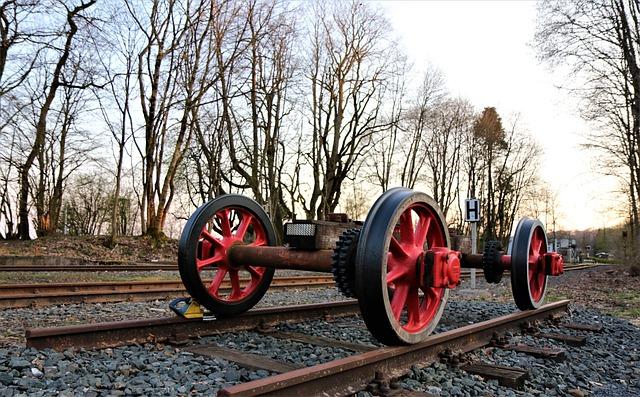
Q1.What type of mechanism do you see in this image?
Q2.Match these words to the description.

Q3.Which of these are properties of wood?
Q4.Match these types of movement to the descriptions.
Q5.Which of these joining methods would be most suitable to allow the individual parts of a model to move?
Q6.What does input mean?
Assessment exit quiz
6 Questions
Q1.A cam turns rotary motion into which other type of motion?
Q2.What does reciprocating mean?
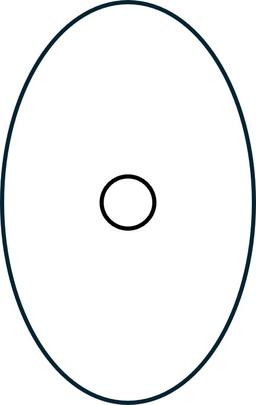
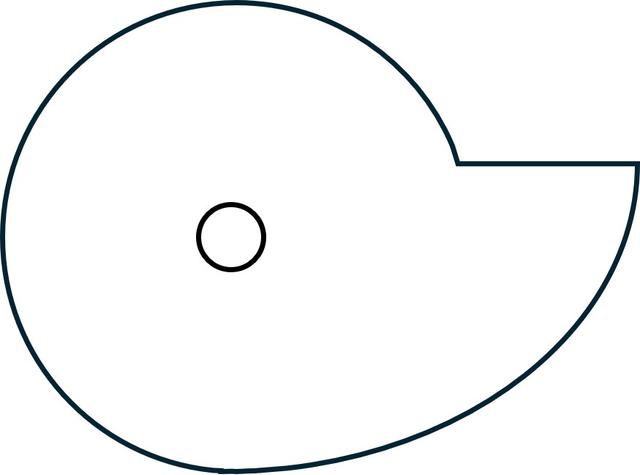
Q3.Which of these is an eccentric cam?
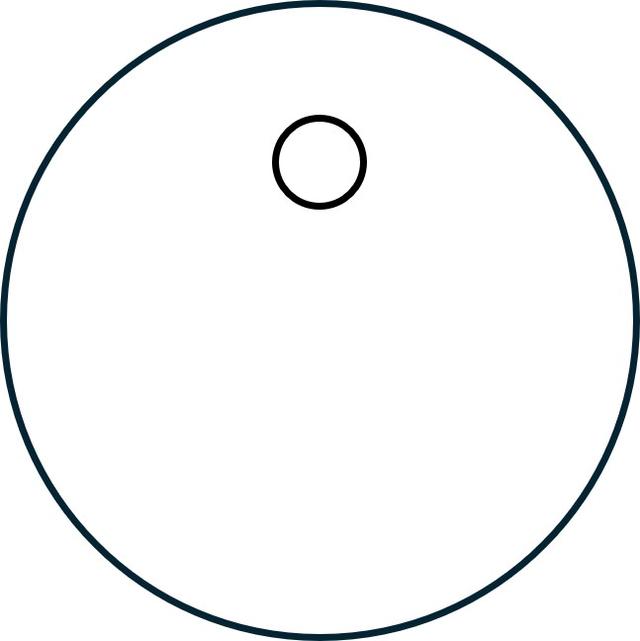
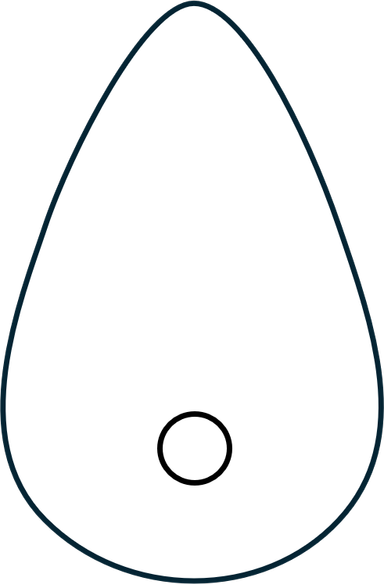
Q4.What happens to a follower when the widest part of a cam reaches the top of the axle?
Q5.What is a prototype?
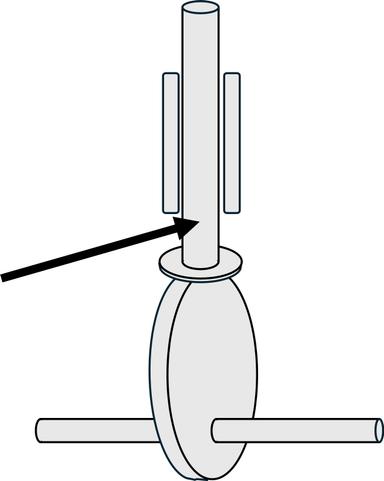
Q6.Which part of the cam mechanism is indicated in this image?
To help you plan your 6 design and technology lesson on: Cam mechanisms, download all teaching resources for free and adapt to suit your pupils' needs...
To help you plan your 6 design and technology lesson on: Cam mechanisms, download all teaching resources for free and adapt to suit your pupils' needs.
The starter quiz will activate and check your pupils' prior knowledge, with versions available both with and without answers in PDF format.
We use learning cycles to break down learning into key concepts or ideas linked to the learning outcome. Each learning cycle features explanations with checks for understanding and practice tasks with feedback. All of this is found in our slide decks, ready for you to download and edit. The practice tasks are also available as printable worksheets and some lessons have additional materials with extra material you might need for teaching the lesson.
The assessment exit quiz will test your pupils' understanding of the key learning points.
Our video is a tool for planning, showing how other teachers might teach the lesson, offering helpful tips, modelled explanations and inspiration for your own delivery in the classroom. Plus, you can set it as homework or revision for pupils and keep their learning on track by sharing an online pupil version of this lesson.
Explore more key stage 2 design and technology lessons from the Cams: automata unit, dive into the full primary design and technology curriculum, or learn more about lesson planning.