


Proportions and scale: textiles


Lesson details
Learning outcome
I can determine and justify the size of my design.
Key learning points
- Design decisions are justified.
- Measurements, scale and proportion are design decisions which must be justified.
- Designers can work to scale which is calculated.
Keywords
Specification - describes what a design must have or do
Justification - the reason or explanation for why something is done, or believed to be right
Proportion - balanced relationship between different parts
Dimensions - the sizes of objects or components
Scale - a ratio of full size
Common misconception
All prototypes must be life size.
It is not always possible to manufacture life size prototypes. The space to manufacture and store may be limited plus the materials may be expensive. A smaller scale product saves space and materials but still allows for a product to be manufactured.
Teacher tip
This lesson is the perfect opportunity for students to learn about standardised scales but also to work out the sizes of their own design.

Equipment
Rulers, scale rulers if available but not essential, paper, pencils

Licence

Lesson video
Loading...
Prior knowledge starter quiz
6 Questions
Q1.What is AI?

Q2. is a tendency to favour or judge something unfairly based on personal beliefs or preferences.
Q3.Bias in AI is sometimes called?
Q4.Which of the below would be an example of a stereotype?
Q5.How can AI be used when designing?
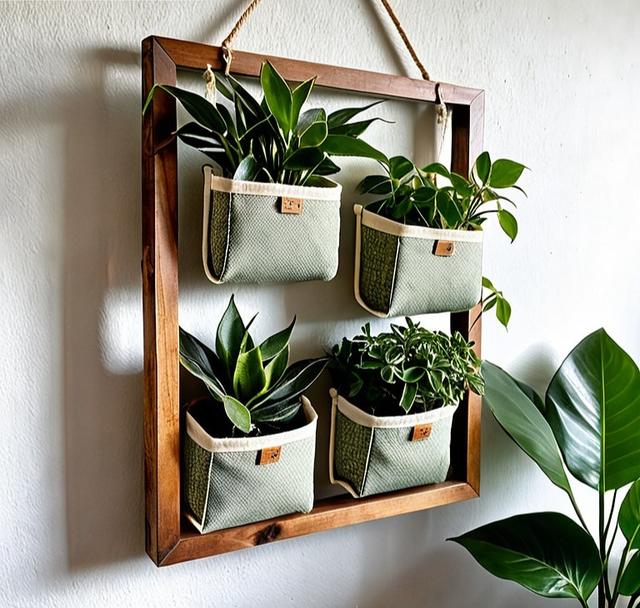
Q6.How could a designer use this AI generated image in their own design work?
Assessment exit quiz
4 Questions
Q1.A design specification can be used to help design decisions.
Q2.Does this image show a handle that is or is not in proportion?

Q3.What unit of measurement is most often used when working out dimensions?
Q4.Why might a prototype not be made to full scale?
To help you plan your 10 design and technology lesson on: Proportions and scale: textiles, download all teaching resources for free and adapt to suit your pupils' needs...
To help you plan your 10 design and technology lesson on: Proportions and scale: textiles, download all teaching resources for free and adapt to suit your pupils' needs.
The starter quiz will activate and check your pupils' prior knowledge, with versions available both with and without answers in PDF format.
We use learning cycles to break down learning into key concepts or ideas linked to the learning outcome. Each learning cycle features explanations with checks for understanding and practice tasks with feedback. All of this is found in our slide decks, ready for you to download and edit. The practice tasks are also available as printable worksheets and some lessons have additional materials with extra material you might need for teaching the lesson.
The assessment exit quiz will test your pupils' understanding of the key learning points.
Our video is a tool for planning, showing how other teachers might teach the lesson, offering helpful tips, modelled explanations and inspiration for your own delivery in the classroom. Plus, you can set it as homework or revision for pupils and keep their learning on track by sharing an online pupil version of this lesson.
Explore more key stage 4 design and technology lessons from the Textiles unit, dive into the full secondary design and technology curriculum, or learn more about lesson planning.