


Classification of bones


Lesson details
Learning outcome
I can describe the different types of bone and their function in relation to sport.
Key learning points
- The shape and type of bones determines their function
- Short bones are used for fine movements
- Long bones are used for gross movements
- Flat bones are used for protection of vital organs
Keywords
Short bone - a small bone that is used for fine movements
Long bone - a large bone that is used for gross movements
Flat bone - a bone that protects a vital organ
Common misconception
Little bones in the hand and foot are not considered long bones.
Bones are classified based on their shape, if the shaft is longer than than the width and depth of a bone it is referred to as a long bone even if it is small in size.
Teacher tip
There are other bone categories (e.g. irregular and sesamoid) that are not needed for this specification. A nice arrival activity is to get pupils in groups of four with post it notes to recall and label one pupil with bone names.

Equipment
A model skeleton is useful to reference the different bones.

Licence

Lesson video
Loading...
Prior knowledge starter quiz
6 Questions
Q1.Which bone is located in the upper arm?
Q2.Which of the following is the correct anatomical name for the skull?
Q3.Which image is correct for the scapula?
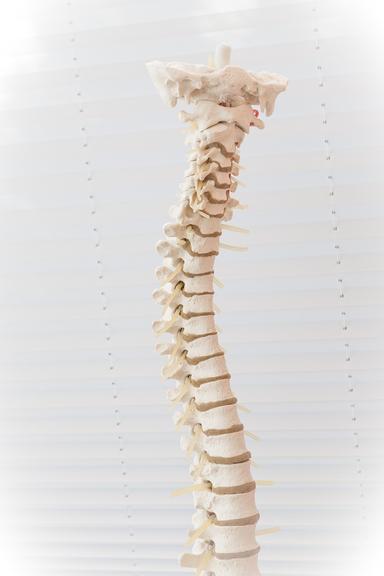
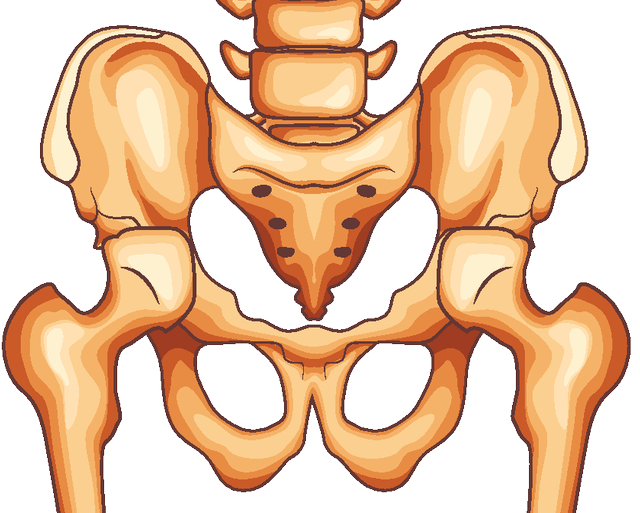
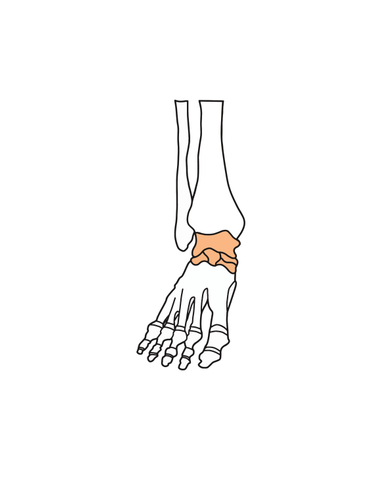
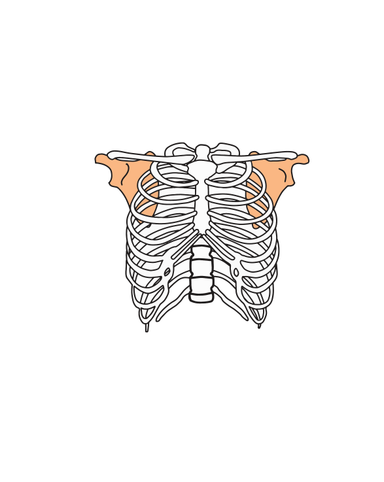
Q4.Which part of the body is the talus bone found?
Q5.Match the bone to the correct location of the body.

Q6.Place the bones in the correct order starting at the head and moving to the feet.
Assessment exit quiz
6 Questions
Q1.Which of the following is classified as a flat bone?
Q2.Which image shows an example of a short bone.
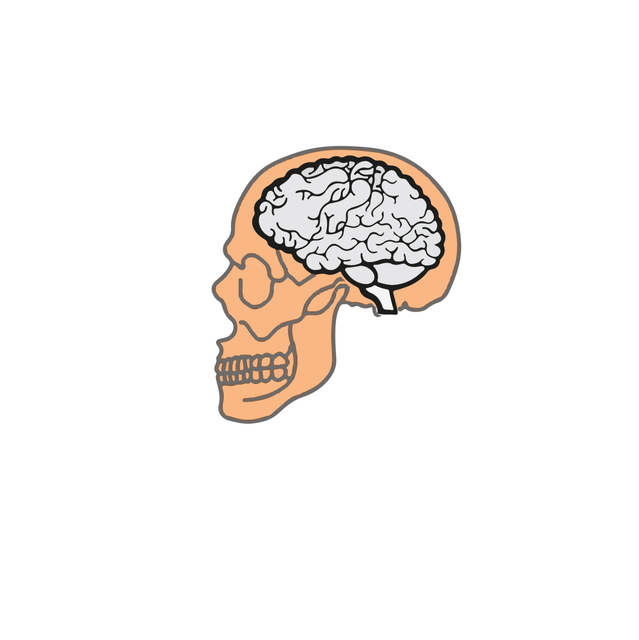
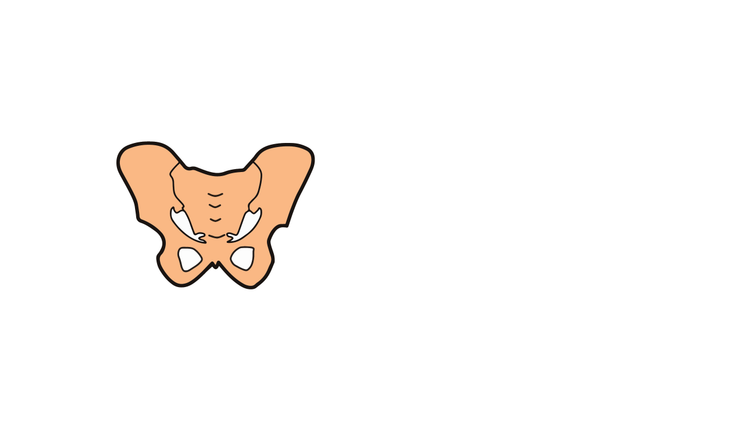
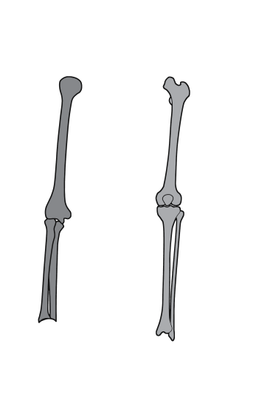
Q3.Match the bone to the correct bone classification.
Q4.Match the bone classification with the correct function.
Q5.Flat bones are essential to protect vital .
Q6.Short bones enable enable finer and more movement.
To help you plan your 10 physical education lesson on: Classification of bones, download all teaching resources for free and adapt to suit your pupils' needs...
To help you plan your 10 physical education lesson on: Classification of bones, download all teaching resources for free and adapt to suit your pupils' needs.
The starter quiz will activate and check your pupils' prior knowledge, with versions available both with and without answers in PDF format.
We use learning cycles to break down learning into key concepts or ideas linked to the learning outcome. Each learning cycle features explanations with checks for understanding and practice tasks with feedback. All of this is found in our slide decks, ready for you to download and edit. The practice tasks are also available as printable worksheets and some lessons have additional materials with extra material you might need for teaching the lesson.
The assessment exit quiz will test your pupils' understanding of the key learning points.
Our video is a tool for planning, showing how other teachers might teach the lesson, offering helpful tips, modelled explanations and inspiration for your own delivery in the classroom. Plus, you can set it as homework or revision for pupils and keep their learning on track by sharing an online pupil version of this lesson.
Explore more key stage 4 physical education lessons from the Anatomy and physiology: the musculoskeletal system unit, dive into the full secondary physical education curriculum, or learn more about lesson planning.