


Benefits and limitations of fitness testing


Lesson details
Learning outcome
I can state the benefits for, and limitations of, fitness testing and evaluate the relevance of fitness testing for sport.
Key learning points
- Fitness tests identify strengths and weaknesses in performance and monitor improvements.
- Fitness tests are used to establish initial fitness levels and inform training requirements.
- Limitations of fitness testing include tests are often not sport-specific and do not replicate movements of an activity.
- Many tests require motivation or have questionable validity.
- Correct procedures are crucial to increase reliability to ensure accurate assessment of fitness levels.
Keywords
Limitation - a potetial failing of a test to monitor fitness
Validity - the extent to which a test or method measures what it sets out to measure
Reliability - the consistency and repeatability of a test (to produce the same or similar scores)
Norm - a result that is considered typical for a group
Common misconception
Fitness testing brings about improvements in components of fitness.
Training methods bring about improvement in fitness. Fitness testing is merely about identifying the strengths and weaknesses of a fitness compenent so the right training method can be allocated and used.
Teacher tip
Revisiting the key messages from this lesson, whenever conducting the fitness test procedures provides lots of opportunties to apply to relevant scenarios. The last part of the lesson focusses on the skill of evaluate. To make this a 9 mark question, please add two fitness tests to the question.

Equipment
Fitness tests protocols. Normative data for listed fitness tests.

Licence

Lesson video
Loading...
Prior knowledge starter quiz
6 Questions
Q1.Which is the correct measurement for the ruler drop test?
Q2.Which fitness test does the image show?
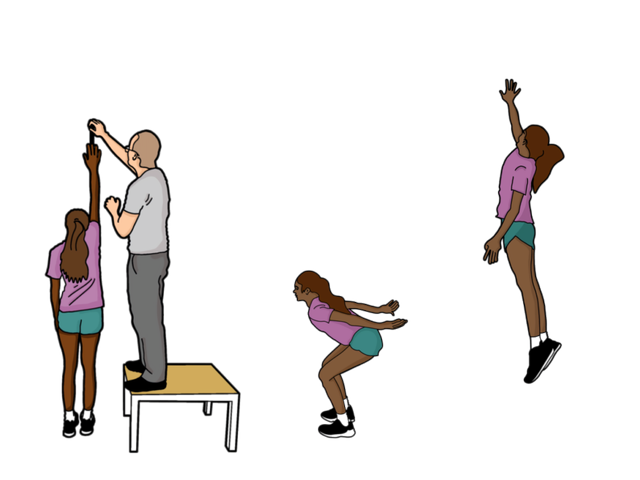
Q3.Which of the following is a fitness test for strength?
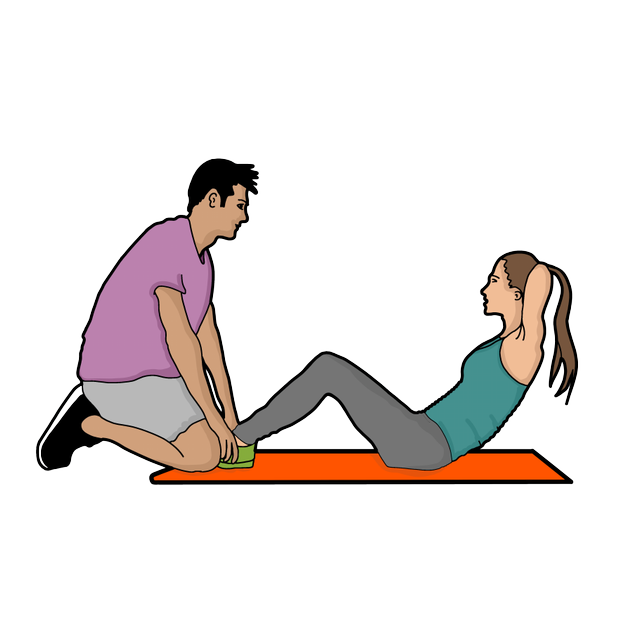
Q4.This fitness test in the image is the sit up test.
Q5.Match the fitness test with the correct fitness component.

Q6.Which of the following equipment is required for the 30m sprint test?
Assessment exit quiz
6 Questions
Q1.Which of the following are what makes a fitness test valuable?
Q2.The results of a fitness test are reliable if they are ...
Q3.A 16 year old netball player is given a category of 'above average' for the sit and reach test. What is this?
Q4.Validity is the at which a test measures what is set out to measure.
Q5.Which of the following would be checked when assessing the validity of a fitness test?
Q6.Reliability is the repeatability of a test to produce the or similar scores.
To help you plan your 10 physical education lesson on: Benefits and limitations of fitness testing, download all teaching resources for free and adapt to suit your pupils' needs...
To help you plan your 10 physical education lesson on: Benefits and limitations of fitness testing, download all teaching resources for free and adapt to suit your pupils' needs.
The starter quiz will activate and check your pupils' prior knowledge, with versions available both with and without answers in PDF format.
We use learning cycles to break down learning into key concepts or ideas linked to the learning outcome. Each learning cycle features explanations with checks for understanding and practice tasks with feedback. All of this is found in our slide decks, ready for you to download and edit. The practice tasks are also available as printable worksheets and some lessons have additional materials with extra material you might need for teaching the lesson.
The assessment exit quiz will test your pupils' understanding of the key learning points.
Our video is a tool for planning, showing how other teachers might teach the lesson, offering helpful tips, modelled explanations and inspiration for your own delivery in the classroom. Plus, you can set it as homework or revision for pupils and keep their learning on track by sharing an online pupil version of this lesson.
Explore more key stage 4 physical education lessons from the Physical training: health and fitness unit, dive into the full secondary physical education curriculum, or learn more about lesson planning.