


The principles of training and their application to a personal exercise programme


Lesson details
Learning outcome
I can recall and apply the principles of training to an exercise programme.
Key learning points
- Key principles of training in sport are individual needs, specificity, progressive overload, overtraining reversibility.
- Principles of traning are used to allow an athlete to plan an exercise programme.
Keywords
Individual needs - training is meeting the requirements of the athlete
Specificity - training should be relevant to the specific demands of an activity or sport
Progressive overload - gradually increasing the amount of stress on the body so fitness gains occur, but without potential for injury
Overtraining - excessive exercise without adequate rest and recovery, leading to fatigue, decreased performance, and increased risk of injury
Reversibility - fitness gains decline when training stops or intensity decreases
Common misconception
Overload is negative and should not be encouraged during training.
Overload is encouarged as a positive aspect of traning as progression is being managed correctly to bring about adaptations to fitness. It is not to be confused with 'overtraining' which can cause injuries.
Teacher tip
The ISPOROR letters are widely used to keep the principles memorable. Provide plenty of opportunity for learners to apply the principles to sporting scenarios.

Equipment
The ISPOROR letters with the matching definitions will be a useful starter and plenary activity, as well as providing the key definitions throughout the lesson.

Licence

Lesson video
Loading...
Prior knowledge starter quiz
6 Questions
Q1.Which type of resistance has been used in this exercise?
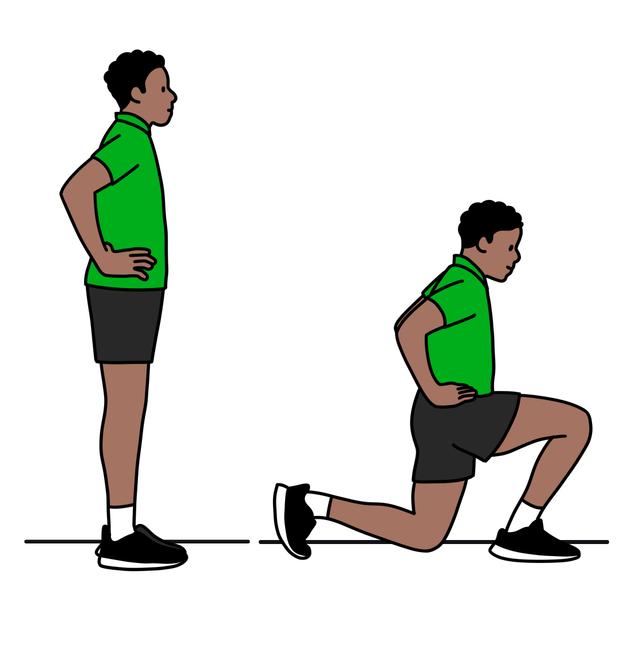
Q2.Which type of resistance has been used in this exercise?

Q3.Which fitness improvement is a priority for a sprinter?
Q4.Match the skill to the correct sport/event.

Q5.Match the fitness component correctly.
Q6.A netball player will develop strength and in their arms to be able to pass the ball with power.
Assessment exit quiz
6 Questions
Q1.Match the principle of training to the correct letter of the ISPOROR acronym.
Q2.Which principle of training states the importance of training matching the requirements of the individual
Q3."I will increase the weight from 5kg to 7.5kg in week 3". Which principle of training has been described here?
Q4.Match the description to the correct principle of training.
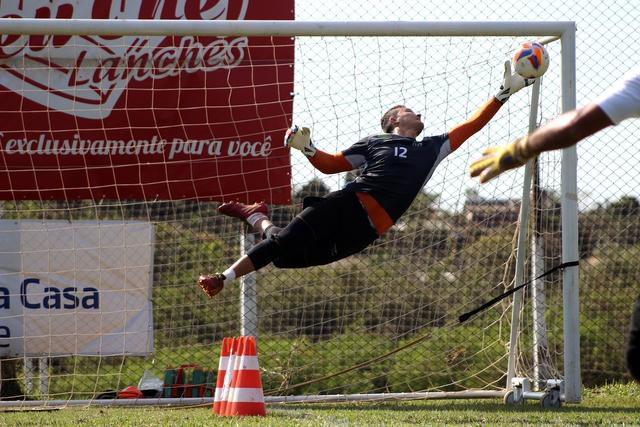
Q5.Match the quote from a football goalkeeper to the correct principle of training.
Q6.Reversibility is the when fitness levels when training stops.
To help you plan your 10 physical education lesson on: The principles of training and their application to a personal exercise programme, download all teaching resources for free and adapt to suit your pupils' needs...
To help you plan your 10 physical education lesson on: The principles of training and their application to a personal exercise programme, download all teaching resources for free and adapt to suit your pupils' needs.
The starter quiz will activate and check your pupils' prior knowledge, with versions available both with and without answers in PDF format.
We use learning cycles to break down learning into key concepts or ideas linked to the learning outcome. Each learning cycle features explanations with checks for understanding and practice tasks with feedback. All of this is found in our slide decks, ready for you to download and edit. The practice tasks are also available as printable worksheets and some lessons have additional materials with extra material you might need for teaching the lesson.
The assessment exit quiz will test your pupils' understanding of the key learning points.
Our video is a tool for planning, showing how other teachers might teach the lesson, offering helpful tips, modelled explanations and inspiration for your own delivery in the classroom. Plus, you can set it as homework or revision for pupils and keep their learning on track by sharing an online pupil version of this lesson.
Explore more key stage 4 physical education lessons from the Physical training: principles of training unit, dive into the full secondary physical education curriculum, or learn more about lesson planning.